


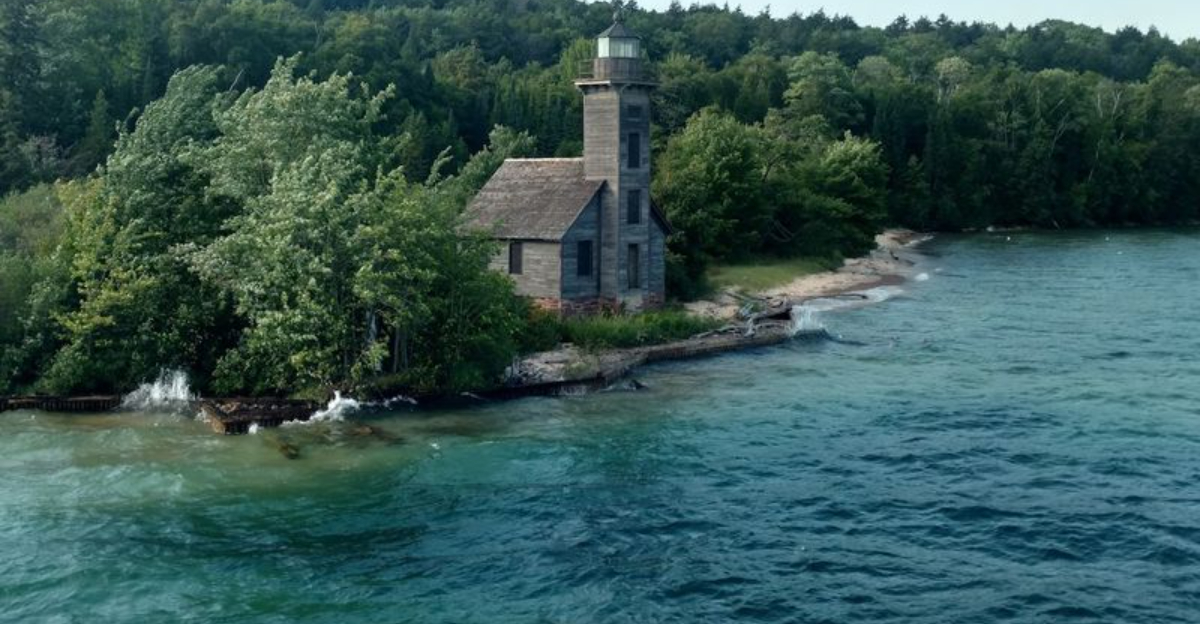
Tucked away in the Upper Peninsula of Michigan, there is a trail that feels like something out of a storybook. Stretching roughly 10 miles, this route takes hikers past towering sandstone cliffs, rushing waterfalls, and sandy beaches that are calm enough for little ones to splash around in.
Families looking for an outdoor adventure that checks every box will find this trail hard to beat. Whether you are a seasoned hiker or just getting started, the Upper Peninsula has a way of making every step feel worth it.
The Stunning Sandstone Cliffs Along the Shore
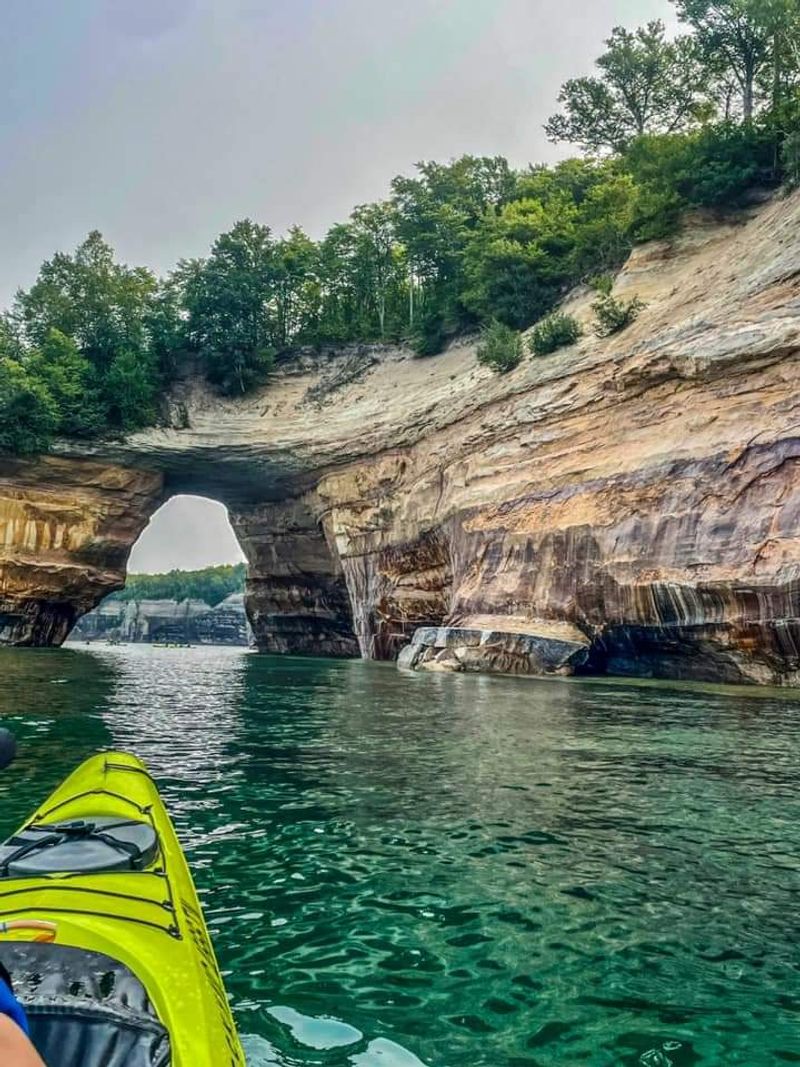
Standing beneath the sandstone cliffs along Lake Superior feels like being inside a painting. These rust-colored walls of rock rise dramatically from the waterline, carved over thousands of years by wind, waves, and ice.
They are one of the most photographed features in the Upper Peninsula, and for good reason.
Kids and adults alike tend to stop dead in their tracks when the cliffs first come into view. The colors shift throughout the day as sunlight hits different angles, turning the rock from deep red to soft amber.
Early morning is especially magical when mist still sits on the water.
Bring a camera and comfortable shoes with good grip, since some cliff-side sections of the trail can be narrow. Staying on marked paths keeps everyone safe while still offering incredible views that are absolutely worth the effort to reach.
Miners Beach: A Sandy Escape for the Whole Family
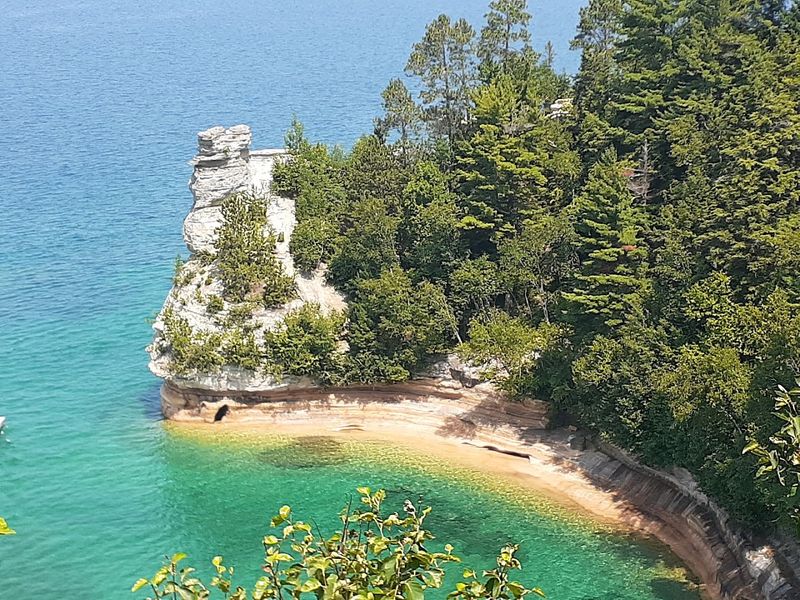
Miners Beach is the kind of place that makes parents breathe a little easier. The sandy shoreline stretches generously, giving kids plenty of room to run, build sandcastles, or dip their toes into the surprisingly clear water of Lake Superior.
It feels more like a tropical escape than a Michigan trail stop.
The water here stays cold even in summer, but that rarely stops younger adventurers from wading in up to their knees. The beach is sheltered enough that waves stay manageable, making it a genuinely relaxed spot to take a break mid-hike.
Pack a picnic lunch and plan to linger here longer than expected. Shade from nearby trees provides relief on warm days, and the views across the lake stretch so far that the horizon seems endless.
Miners Beach consistently ranks as a highlight for families exploring this trail.
Miners Falls: A Thundering Waterfall Worth Every Step
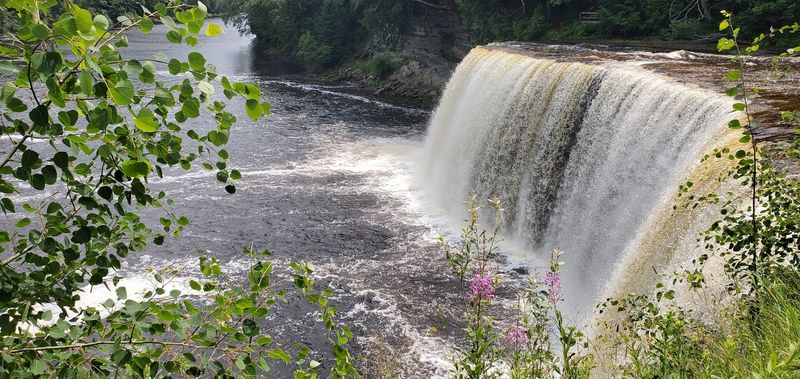
Hear it before you see it. That rushing, thundering sound growing louder with each step on the trail is Miners Falls announcing itself from a distance.
When the falls finally come into view, the 40-foot drop into a rocky gorge is genuinely jaw-dropping, especially after spring snowmelt when the water volume is at its peak.
A short spur trail leads directly to a viewing platform where families can safely take in the full spectacle. The mist that floats up from the base keeps things cool and adds a dreamlike quality to the whole scene.
Young hikers tend to react with wide eyes and instant excitement.
The round-trip detour to Miners Falls adds only about 1.2 miles to the overall hike, making it a very reasonable side trip. Most families agree it is one of the best single moments on the entire 10-mile route.
Pictured Rocks National Lakeshore: The Trail’s Epic Backdrop
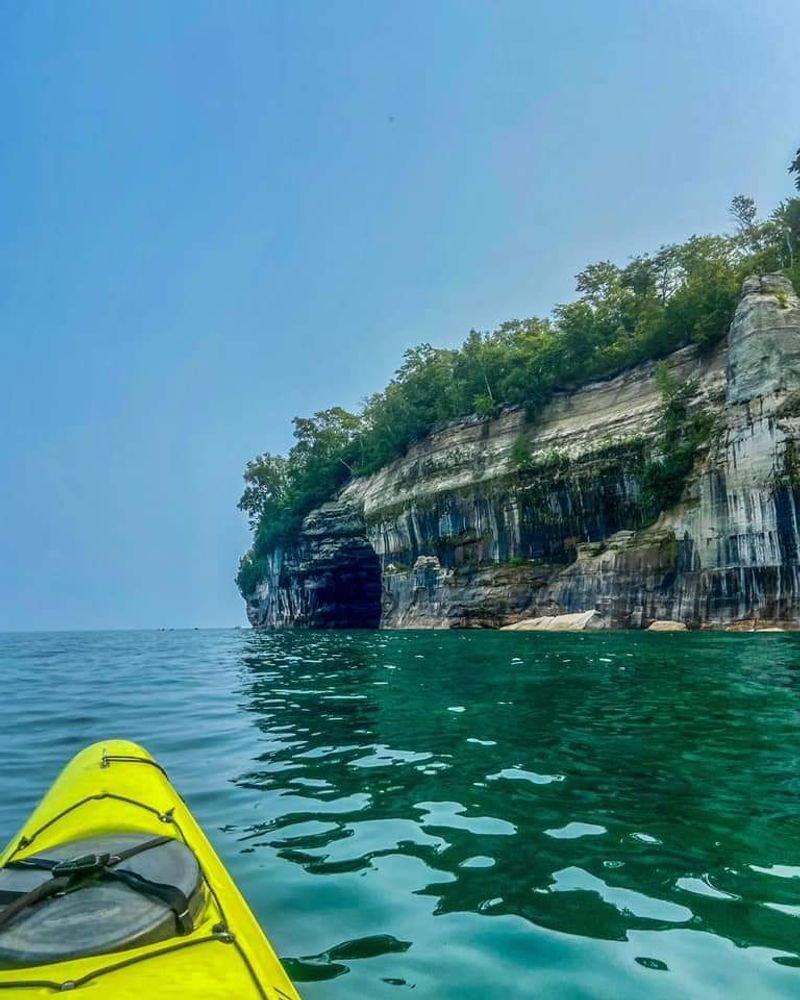
Pictured Rocks National Lakeshore is the stunning setting that makes this trail so unforgettable. Established in 1966 as the first national lakeshore in the United States, the park stretches 42 miles along Lake Superior and protects some of the most dramatic coastal scenery in the Midwest.
Knowing that history makes the walk feel even more special.
The colorful streaks of mineral deposits running down the cliff faces give the park its name. Iron creates the reds and oranges, while copper produces greens and blues.
These natural patterns look almost like abstract art painted directly onto the rock.
Families visiting for the first time often say they had no idea Michigan looked like this. The national lakeshore status means the land is protected, so the scenery stays pristine year after year.
Picking up a free junior ranger booklet at the visitor center keeps kids engaged throughout the entire adventure.
Chapel Falls: Hidden Gem Deep in the Forest
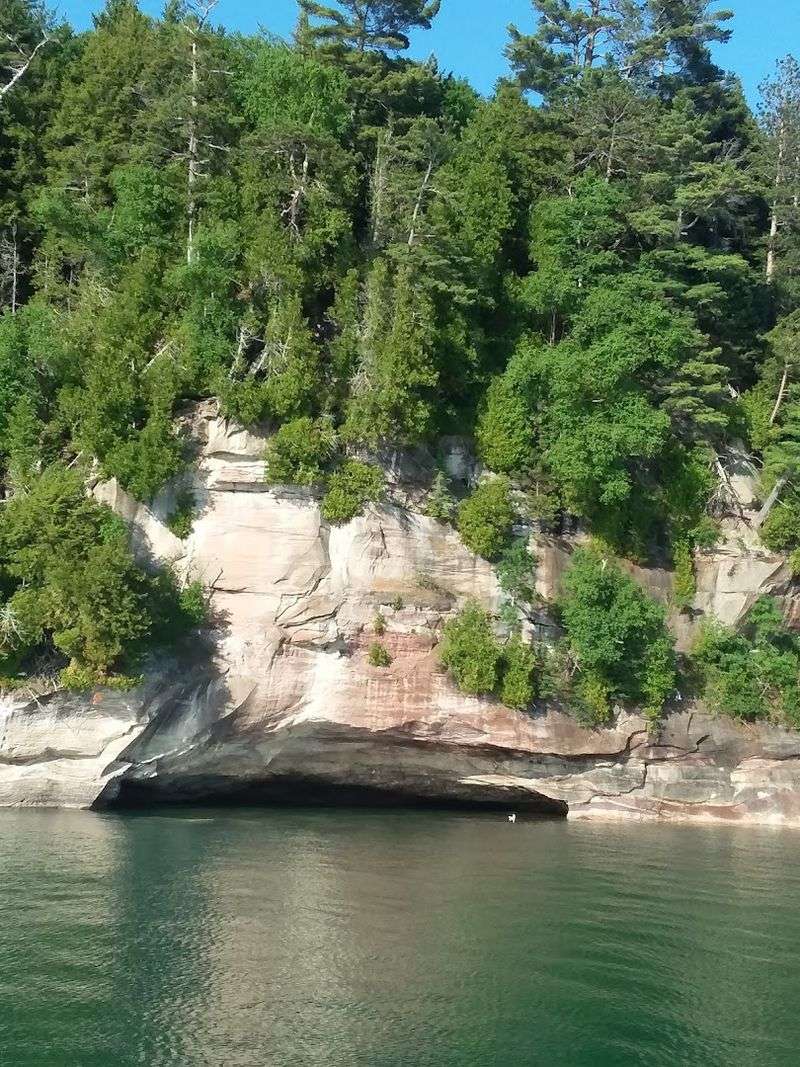
Chapel Falls has a quiet, almost secretive energy about it. Tucked deeper into the forest than many of the trail’s other highlights, reaching this waterfall feels like discovering something few people know about, even though it is well worth sharing.
The falls drop around 60 feet in a graceful, narrow ribbon of water that catches the light beautifully.
The trail leading to Chapel Falls winds through a thick canopy of hardwood and pine trees, which keeps the path cool and shaded. Ferns line the forest floor, and birdsong fills the air throughout.
It is a genuinely peaceful stretch of trail that younger hikers tend to enjoy.
After visiting the falls, a short walk leads to Chapel Lake and then Chapel Rock, where a lone pine tree clings dramatically to the edge of a cliff. That sequence of three natural wonders in quick succession makes this section of trail feel extra rewarding for everyone.
Chapel Rock: One of the Most Iconic Views in Michigan
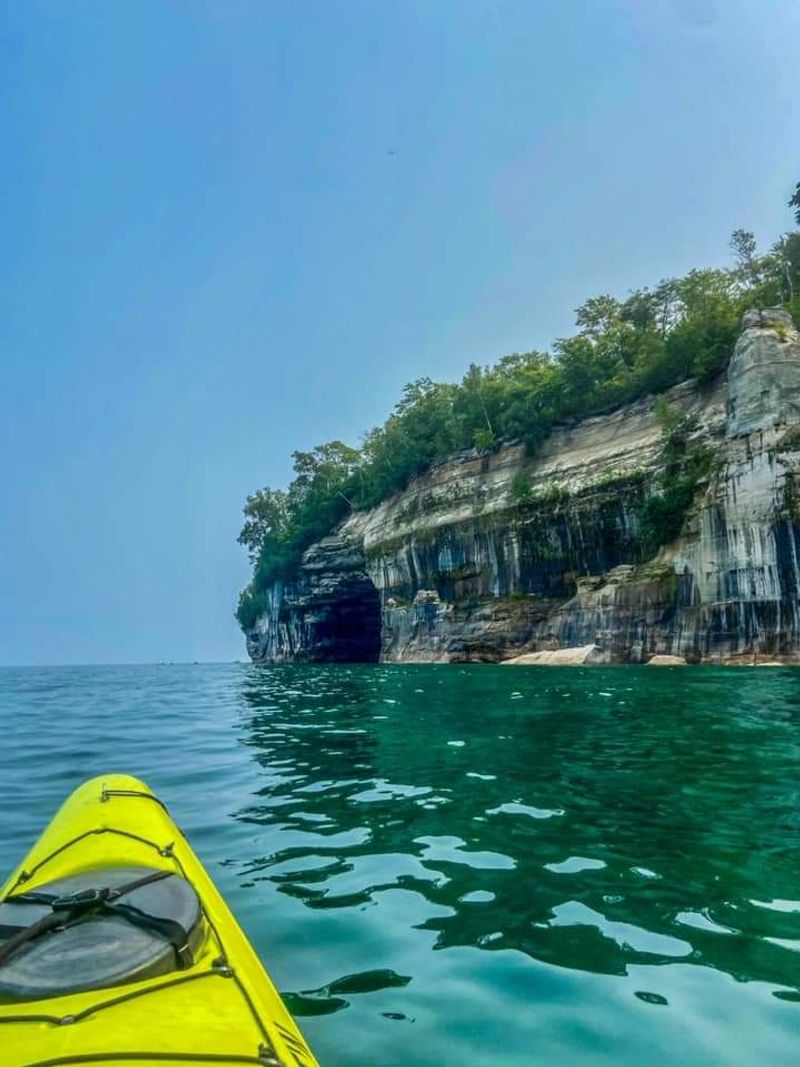
Few sights in the entire state of Michigan match the visual drama of Chapel Rock. A solitary pine tree grows stubbornly on top of a sandstone pillar that juts out over Lake Superior, connected to the mainland only by a thin strip of rock and the tree’s own exposed roots.
It looks almost unreal.
Photographers and casual hikers alike tend to stop here for a while, taking in the view from multiple angles. The arch and pillar were formed by centuries of wave erosion eating away at softer rock.
What remains is a stunning example of how powerful and patient nature can be.
Children often ask how that tree survives without soil, which opens up a fun conversation about root systems and resilience. Chapel Rock sits near Chapel Falls and Chapel Lake, making this whole area a natural cluster of highlights that families can explore together in one satisfying loop.
Bridalveil Falls: A Delicate Curtain of Water
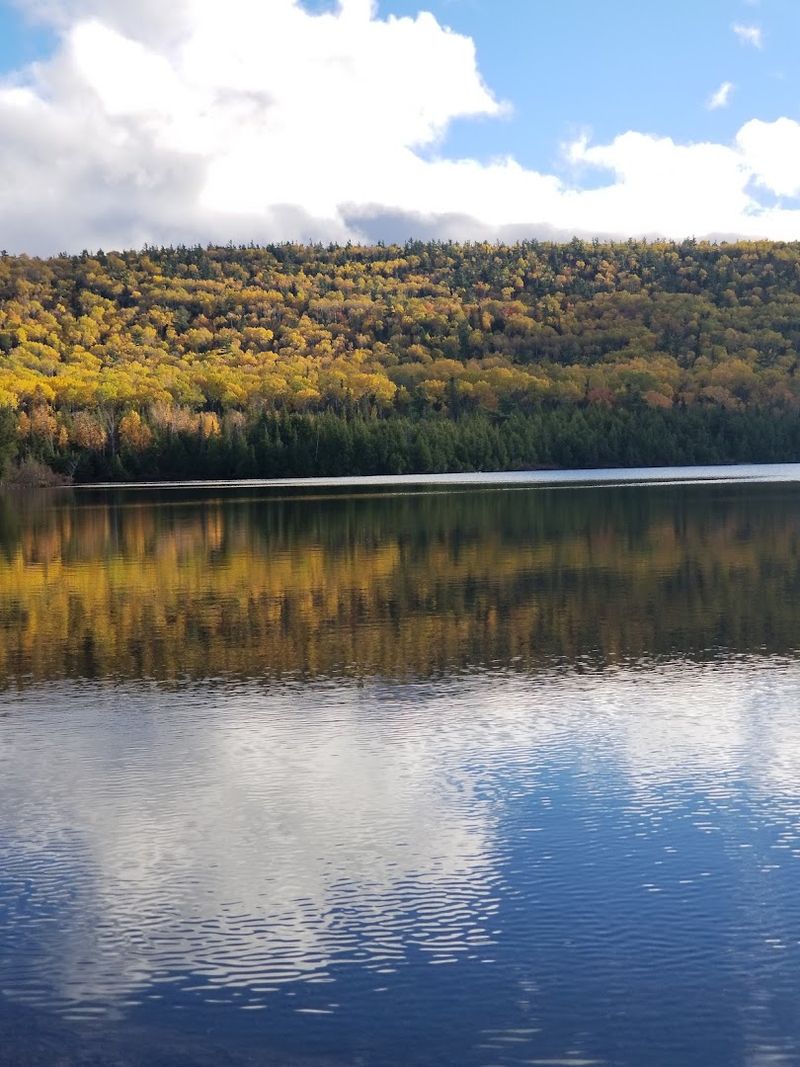
Bridalveil Falls earns its poetic name every time. Unlike the powerful surge of Miners Falls, this waterfall spreads wide and falls gently, like a sheer curtain of water drifting down over dark rock.
The effect is soft, almost meditative, and completely different from the other falls found along this trail system.
Moss and ferns thrive in the constant mist near the base, creating a lush green frame around the falls. The surrounding forest stays quiet here, and the sound of the water creates a natural white noise that feels genuinely calming.
Many hikers describe this spot as one of the most peaceful on the entire route.
Younger children are often fascinated by the way the water fans out as it falls, and many want to reach out and touch the mist. The viewing area is accessible and safe, making Bridalveil Falls a low-stress highlight that families with all ages can enjoy comfortably together.
Miners Castle: A Natural Rock Formation with Breathtaking Views
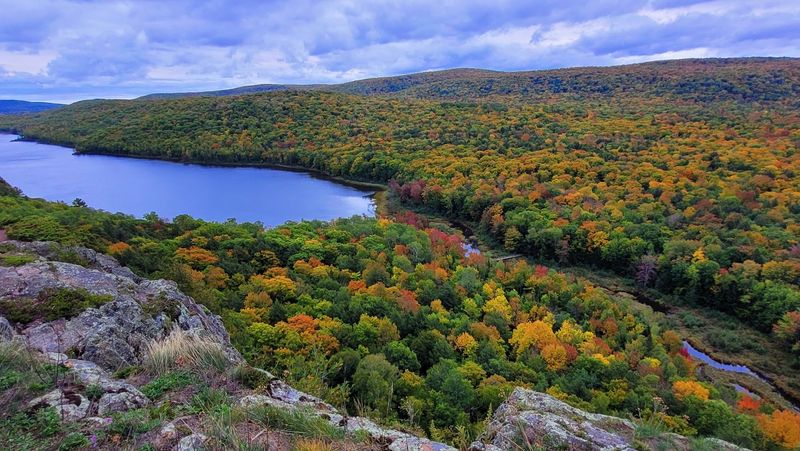
Miners Castle is the kind of landmark that earns its bold name. Rising like a pair of sandstone turrets above Lake Superior, this natural rock formation has become one of the most recognized symbols of the Upper Peninsula.
The overlook above it offers one of the most photographed views in all of Michigan.
A paved accessible path leads to the main viewing platform, making this one of the easier highlights on the trail to reach. From the overlook, the water below glows a remarkable shade of teal and green, colors that look almost Caribbean but belong entirely to Lake Superior.
The combination of colorful cliffs and vivid water is hard to believe without seeing it in person.
Fun fact: one of the original castle-shaped turrets collapsed into the lake back in 2006, so what stands today is a slightly altered version of the original formation. That bit of history adds extra depth to an already impressive stop.
The Trail’s Forest Canopy: A Walk Through Ancient Trees
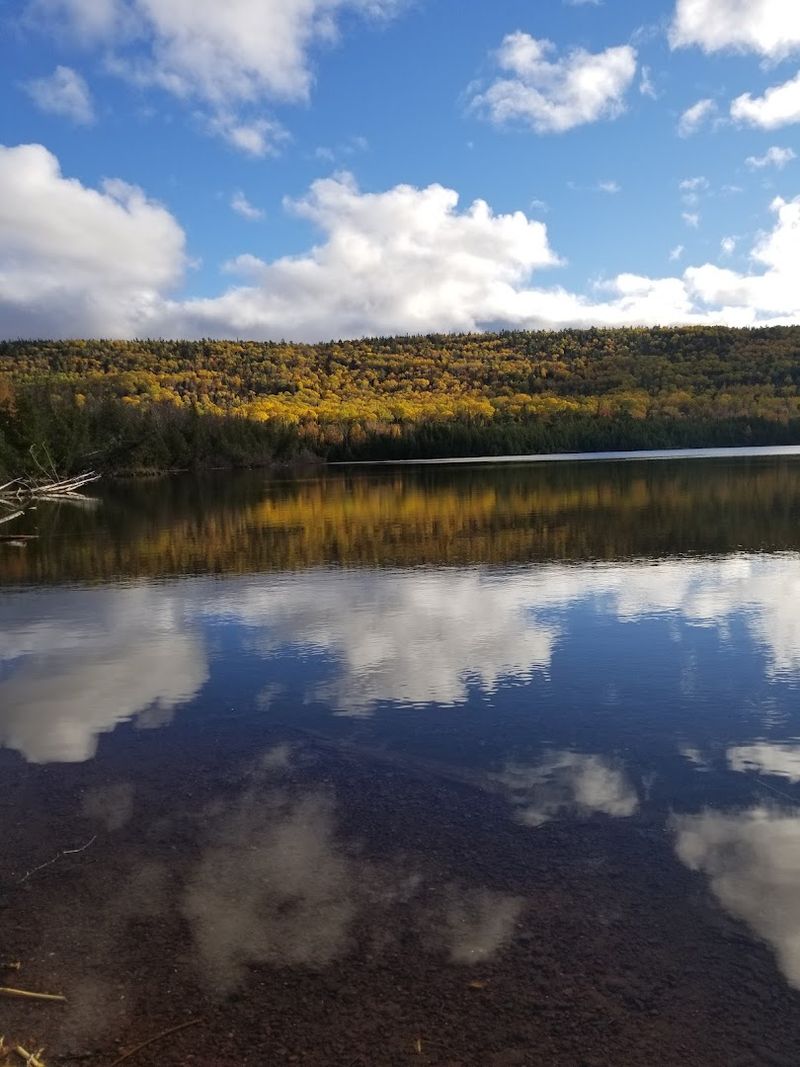
Not every great moment on this trail involves a waterfall or a cliff. Some of the most memorable stretches are simply the quiet, tree-lined paths that connect the major highlights.
Walking beneath a thick canopy of maple, birch, and hemlock trees feels restorative in a way that is hard to describe but easy to feel.
The Upper Peninsula is home to vast stretches of old-growth and second-growth forest that have been largely undisturbed for decades. Sunlight filters through the leaves in shifting patterns, and the forest floor is carpeted with ferns, wildflowers, and moss-covered logs.
Wildlife sightings, including deer, foxes, and all kinds of birds, are common along these wooded sections.
Encouraging kids to look closely at the details of the forest floor, tiny mushrooms, animal tracks, and colorful insects, turns the walk into an informal nature lesson. The forest sections of this trail are every bit as rewarding as the big-ticket landmarks that bookend them.
Lake Superior’s Shoreline: Cold, Clear, and Completely Captivating
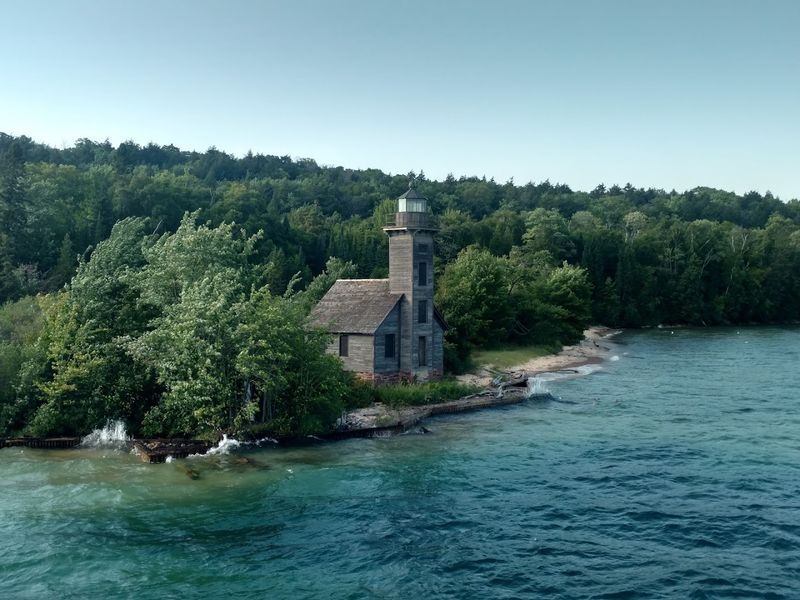
Lake Superior is the largest freshwater lake in the world by surface area, and walking along its shoreline makes that fact feel very real. The water is strikingly clear, cold enough to take your breath away even in July, and stretches to the horizon without a single sign of the opposite shore.
It commands attention in a way that even the most screen-addicted kids seem to respond to instantly.
Along the trail, the shoreline shifts between sandy beaches, smooth pebble stretches, and rocky outcrops. Each type of terrain offers something different to explore.
Flat skipping stones are easy to find, and hunting for them keeps younger hikers happily occupied during rest breaks.
Sunset along this shoreline is absolutely worth timing your hike around. The sky turns vivid shades of orange, pink, and purple over the water, creating a natural light show that costs nothing and leaves a lasting impression on every member of the family.
Wildlife Watching: Unexpected Encounters Along the Way
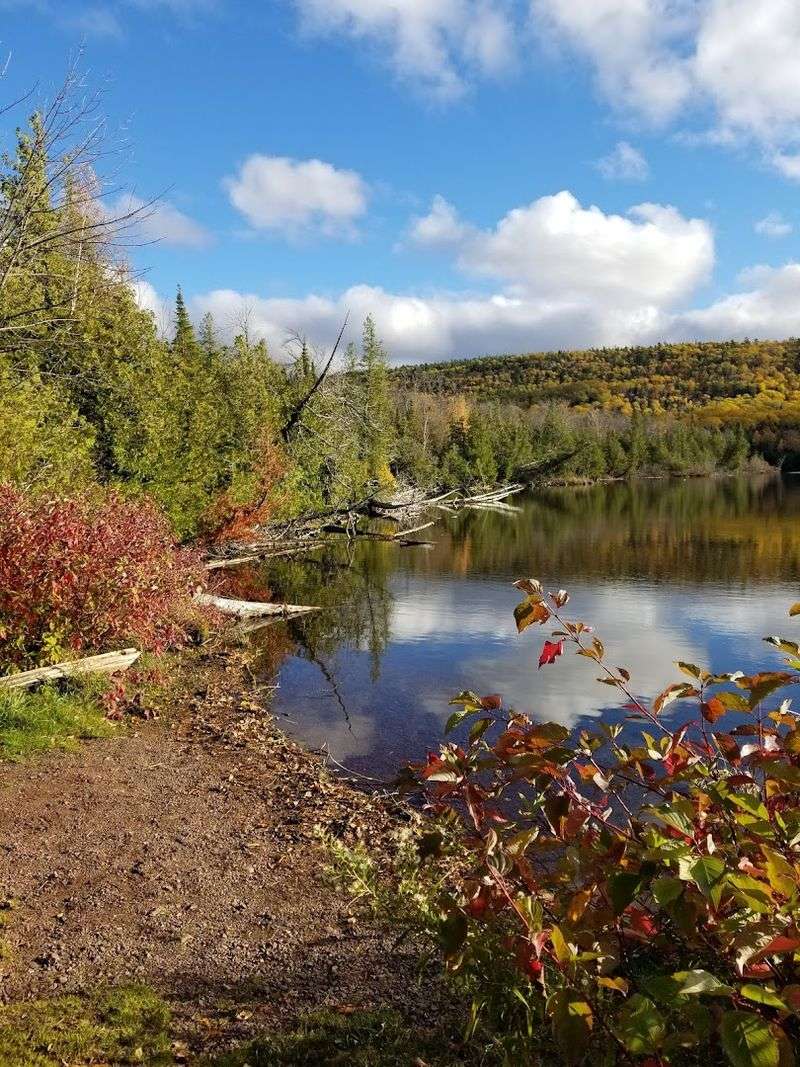
Wildlife watching on this trail is less of a planned activity and more of a happy surprise. The Upper Peninsula is one of the most wildlife-rich regions in the Midwest, and the forests and shoreline along this trail provide habitat for a remarkable range of animals.
Patience and quiet footsteps are the only tools needed.
White-tailed deer are common sightings, especially in the early morning and late afternoon. Black bears also live in the area, though they are shy and rarely cause problems for hikers who store food properly.
Bald eagles can occasionally be spotted soaring over the lake, which always causes an immediate trail stop.
Bring a simple field guide or download a wildlife identification app before heading out. Turning each animal sighting into a mini identification challenge keeps kids engaged and curious throughout the hike.
The Upper Peninsula has a way of delivering wildlife moments that feel genuinely wild and unscripted.
Hiking Gear Essentials for This Family Trail
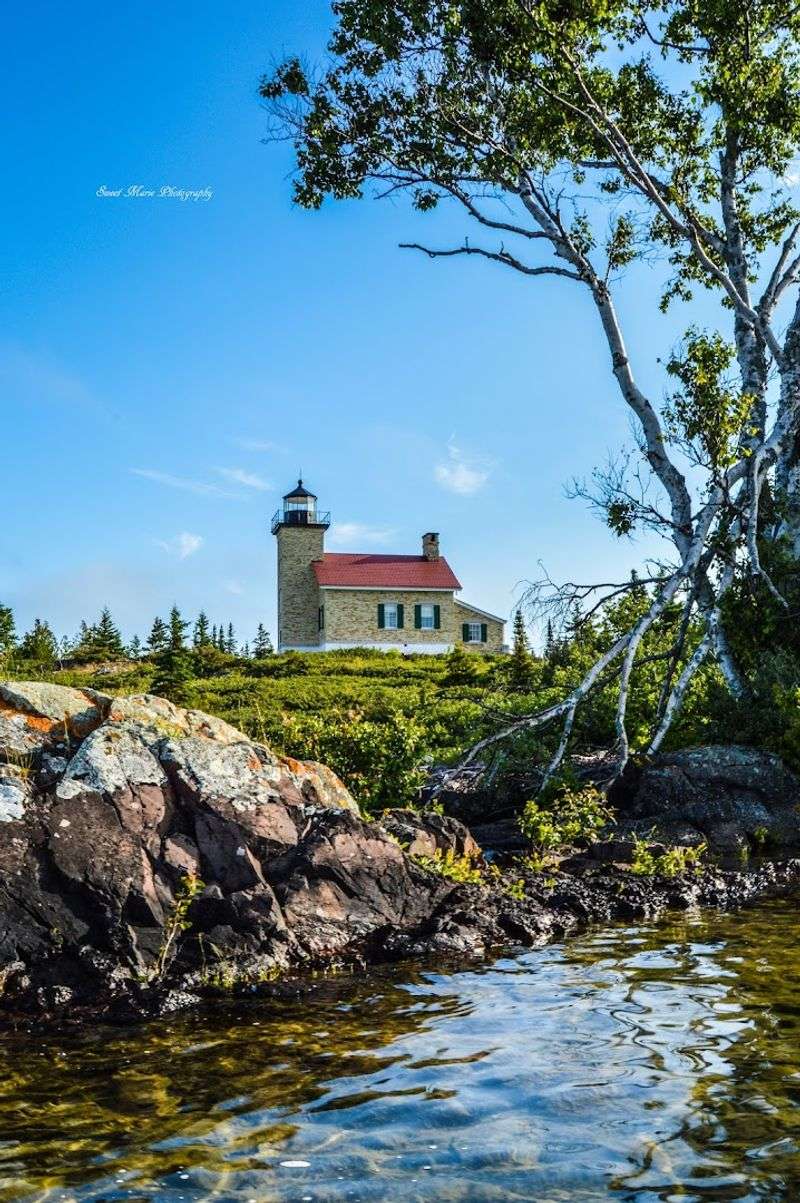
Showing up prepared makes a huge difference on a 10-mile trail. The terrain shifts frequently between sandy beach, rocky shoreline, and rooted forest paths, so footwear with good ankle support and grip is the single most important gear choice for every member of the family.
Lightweight trail shoes or hiking boots work well for most conditions.
Water is non-negotiable. Each person should carry at least two liters, and a small filtration device or purification tablets can serve as a smart backup.
Snacks with a good mix of protein and carbs, think trail mix, nut butter pouches, and fruit, help keep energy levels steady across the full distance.
Layering clothing is wise since Lake Superior creates its own microclimate and temperatures can drop quickly near the water. A compact rain jacket stuffed into a daypack takes almost no space but can completely change the experience if the weather shifts unexpectedly mid-hike.
Best Times to Visit This Trail in the Upper Peninsula
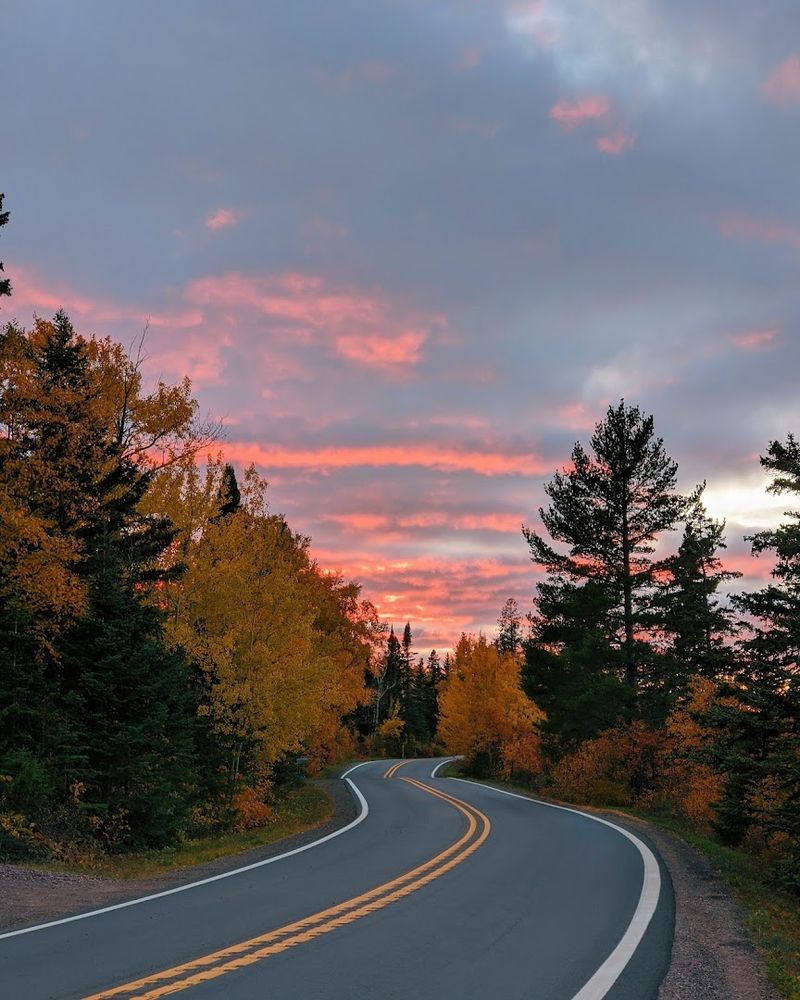
Timing a visit to this trail can make a big difference in what the experience looks and feels like. Late June through early September offers the warmest temperatures and the best beach conditions, making it the most popular window for families.
Crowds peak in July and August, so arriving early in the morning helps secure parking and a quieter trail experience.
Fall is arguably the most visually stunning season to visit. The maple and birch trees along the route turn brilliant shades of orange, red, and gold, creating a dramatic contrast with the blue water and rust-colored cliffs.
September and early October offer that foliage without the peak-summer crowds.
Spring visits reward hikers with higher waterfall flows and wildflowers blooming along the forest floor, though some sections can be muddy after snowmelt. Winter access is limited and best left to experienced snowshoers.
For most families, late summer or early fall hits the sweet spot perfectly.