


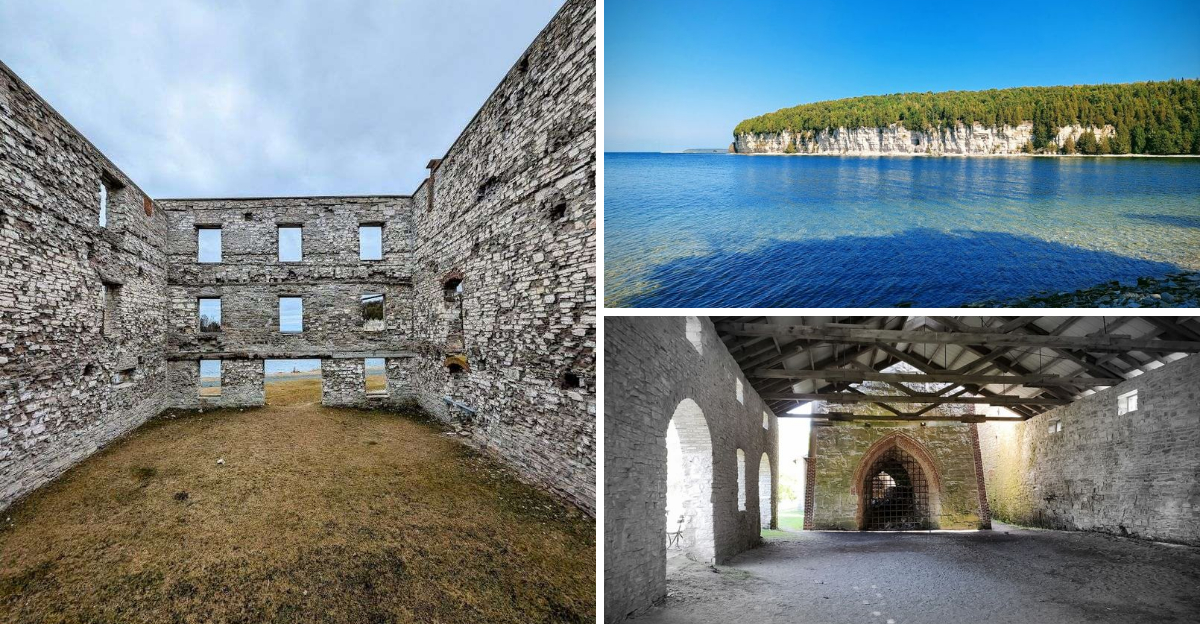
Tucked away on the shores of Big Bay de Noc in Michigan’s Upper Peninsula, Fayette Historic State Park is one of those places that stops you cold the moment you arrive. The crumbling stone buildings, the silence broken only by wind off the water, and the ghostly outline of a once-thriving iron smelting town give this park an atmosphere unlike anywhere else in the Midwest.
Visitors consistently rate it 4.8 out of 5 stars, and many say photos simply cannot capture how haunting and beautiful it really is. Whether you are a history buff, an outdoor adventurer, or just someone who loves a good spooky story, Fayette has something that will stay with you long after you leave.
The Ghost Town That Time Forgot
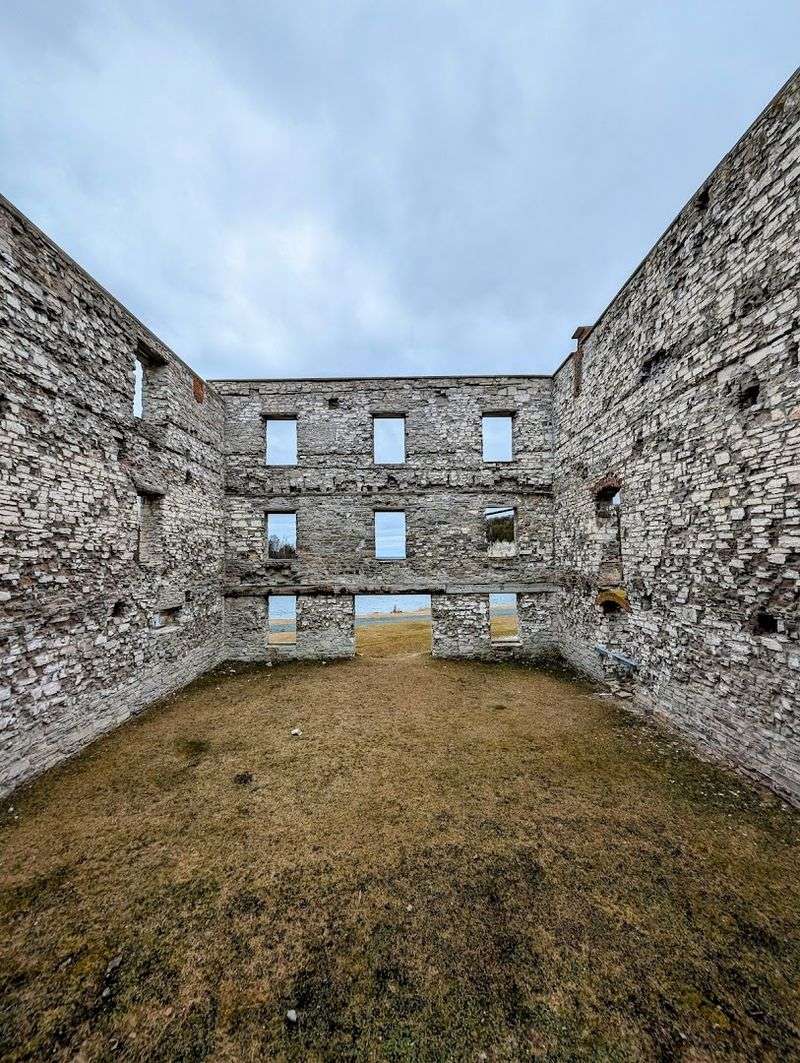
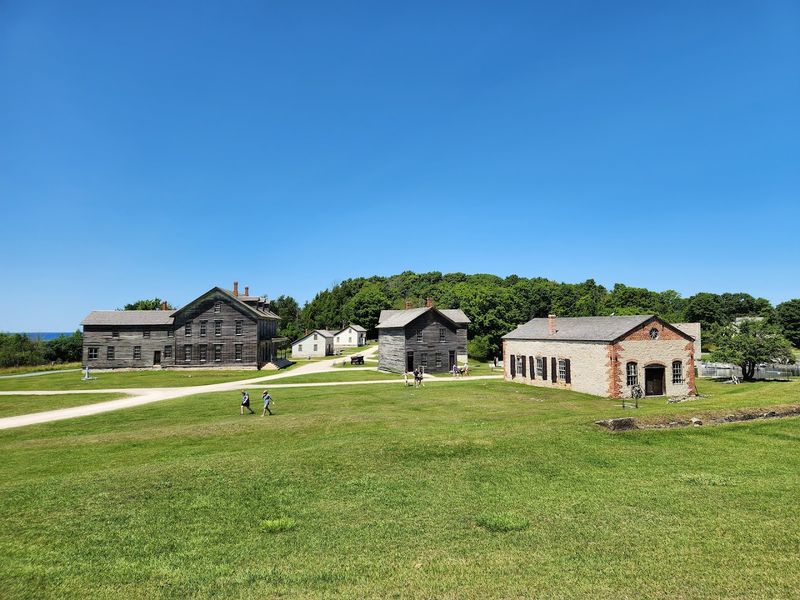
Walking into Fayette feels like stepping through a door that was never meant to be opened. The preserved iron smelting town sits frozen in time, its limestone walls still standing after more than a century of silence.
Signs placed throughout the site explain what each building once was, giving you just enough context to let your imagination fill in the rest.
Back in the 1860s and 1880s, this was a roaring industrial hub where workers smelted pig iron around the clock. Then, almost overnight, it shut down.
The town was simply abandoned, left exactly as it was.
Today, the DNR has done a remarkable job preserving those ruins without making them feel manufactured or staged. You can enter most of the buildings and get up close to history in a way that is genuinely rare.
Visitors regularly say it feels like the workers just walked away yesterday.
Limestone Cliffs Straight Out of a Horror Movie Set
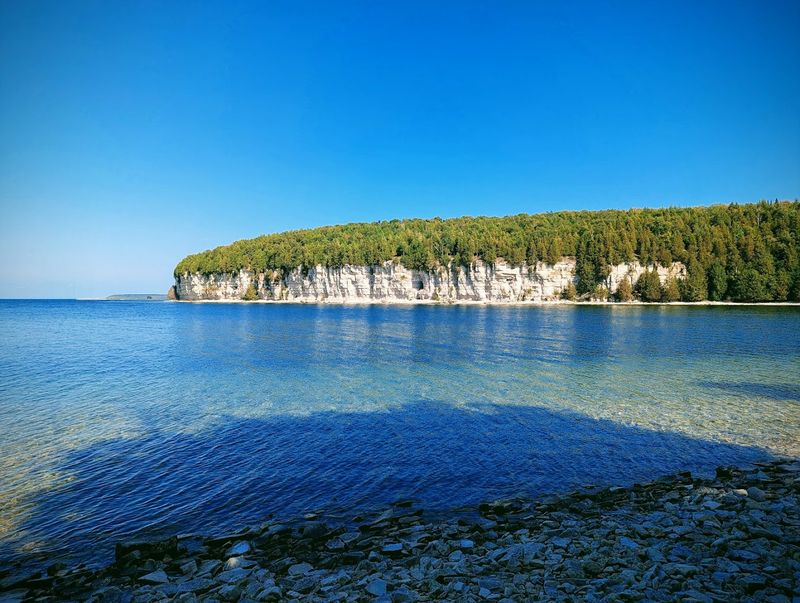
Few natural features in Michigan pack as much visual punch as the exposed limestone bluffs at Fayette. The Niagara Escarpment juts sharply out of the earth here, creating towering cliff faces that cast long, dramatic shadows over the water below.
One winter visitor described watching the light fade across those bluffs as unexpectedly cinematic.
From the water, the cliffs look almost unreal. Kayakers who rent boats for around $30 per 24 hours get the best view, paddling right up to the base where the rock meets the lake in a collision of ancient geology and cold, dark water.
Standing on the ridge trail above, you look down at the ruins of the town below and the vast open water beyond. It is the kind of view that makes you feel very small and very aware of how old this land really is.
Pigeons Roosting in the Ruins at Dusk
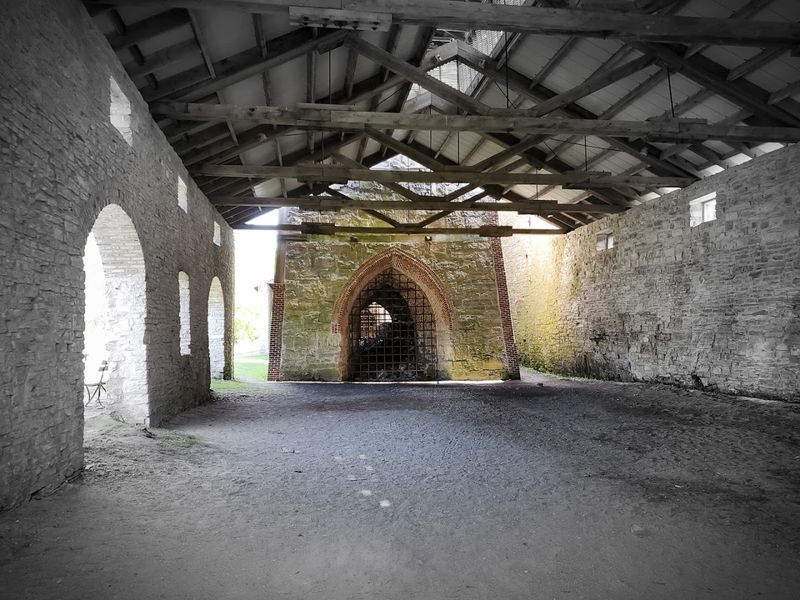
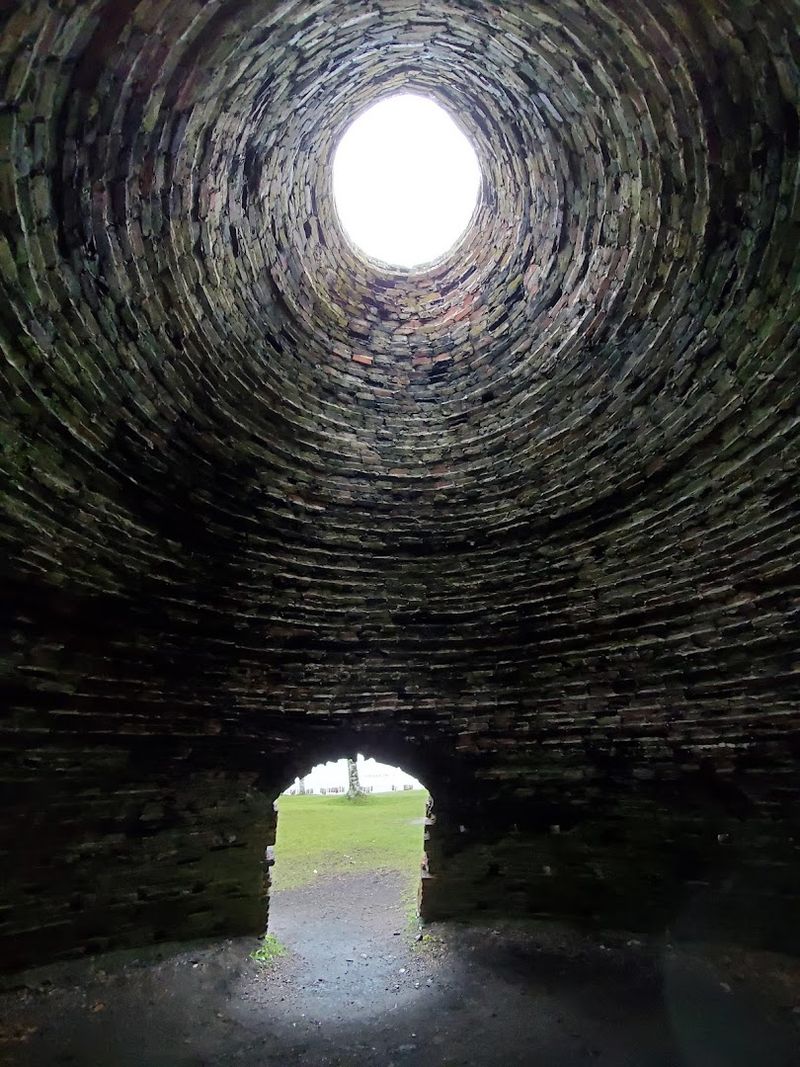
Here is something you will not find in any brochure: at dusk, a massive flock of pigeons comes home to roost inside the old furnace building. One visitor described hearing the whoosh of wings so clearly and so powerfully that it sent chills down their spine.
It is the kind of moment that sounds ordinary until you are actually standing there.
The sound of hundreds of birds filling a hollow stone building with the rush of their wings is genuinely unsettling in the best possible way. It feels like something that belongs in a gothic novel rather than a state park in Michigan.
If you time your visit for late afternoon, you might catch this daily ritual. Bring snowshoes in winter for the quietest, most atmospheric version of the experience.
Early visitors often have the whole place to themselves, which makes the moment feel even more personal and surreal.
Scale Model of a Town That Vanished
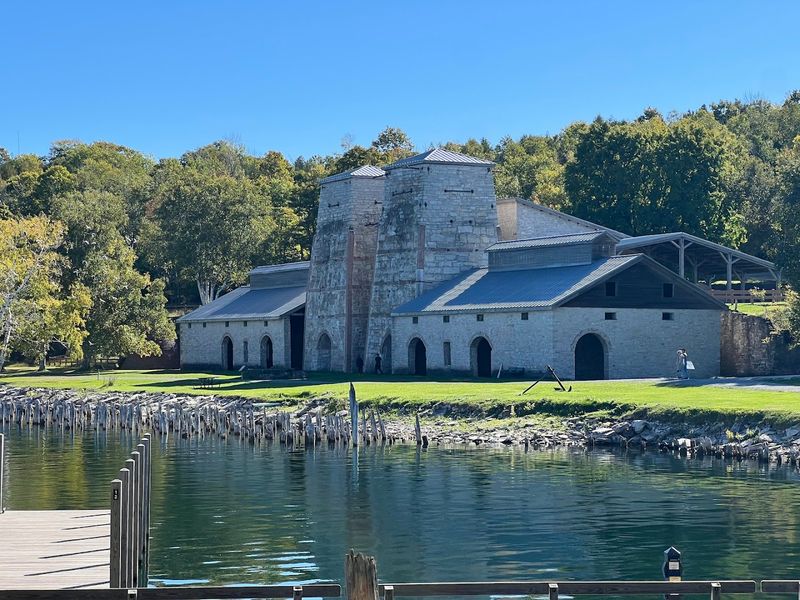
Inside the visitors center at Fayette, a scale model of the town sits under glass, showing exactly what this place looked like during its heyday. Seeing it is a genuinely strange experience.
You walk in from the ruins outside, and suddenly here is the whole bustling town laid out in miniature, every building intact, every street mapped.
It gives you a completely different sense of scale. What feels like a scattered collection of crumbling walls outside suddenly clicks into place as an organized, purposeful industrial community.
Workers lived here, raised families here, and built something they believed would last.
Multiple reviewers specifically mention stopping at the gift shop and model as a highlight. It is one of those exhibits that makes history feel suddenly close and real rather than distant and dusty.
Kids especially tend to spend a long time staring at it, trying to spot every detail.
Hiking the Ridge Trail Above the Ruins
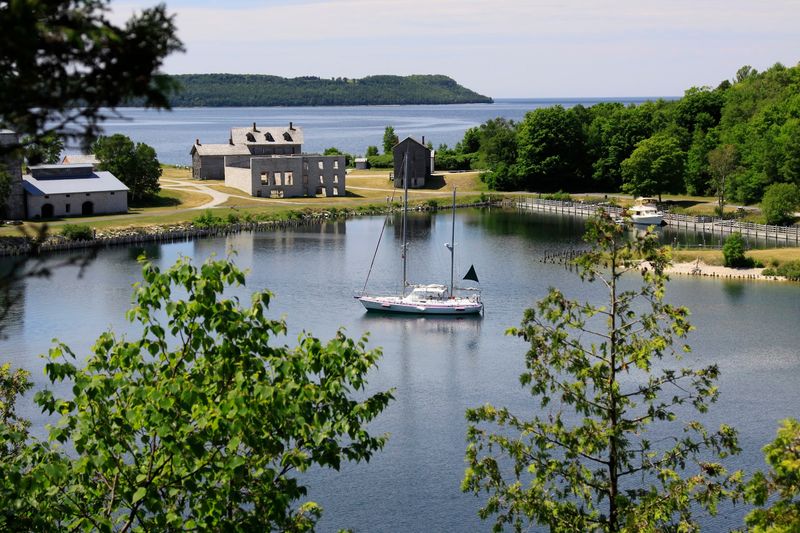
The ridge trail at Fayette is not your average park walk. You climb above the townsite and find yourself looking down at the ruins from above, with Big Bay de Noc stretching out to the horizon beyond.
The elevation change is modest but meaningful, giving the whole hike a sense of drama that flat trails simply cannot match.
Park staff note that while most pathways are generally manageable, there is some elevation involved, so visitors with mobility challenges should plan accordingly. For everyone else, the payoff at the top is absolutely worth the effort.
One longtime visitor put it perfectly: there is not a bad angle at Fayette. Whether you are looking down at the ruins, across the water, or back into the dense Upper Peninsula forest, every direction offers something worth stopping for.
Pack a lunch, find a spot on the ridge, and just sit with it for a while.
Sunsets Over Lake Michigan That Do Not Seem Real
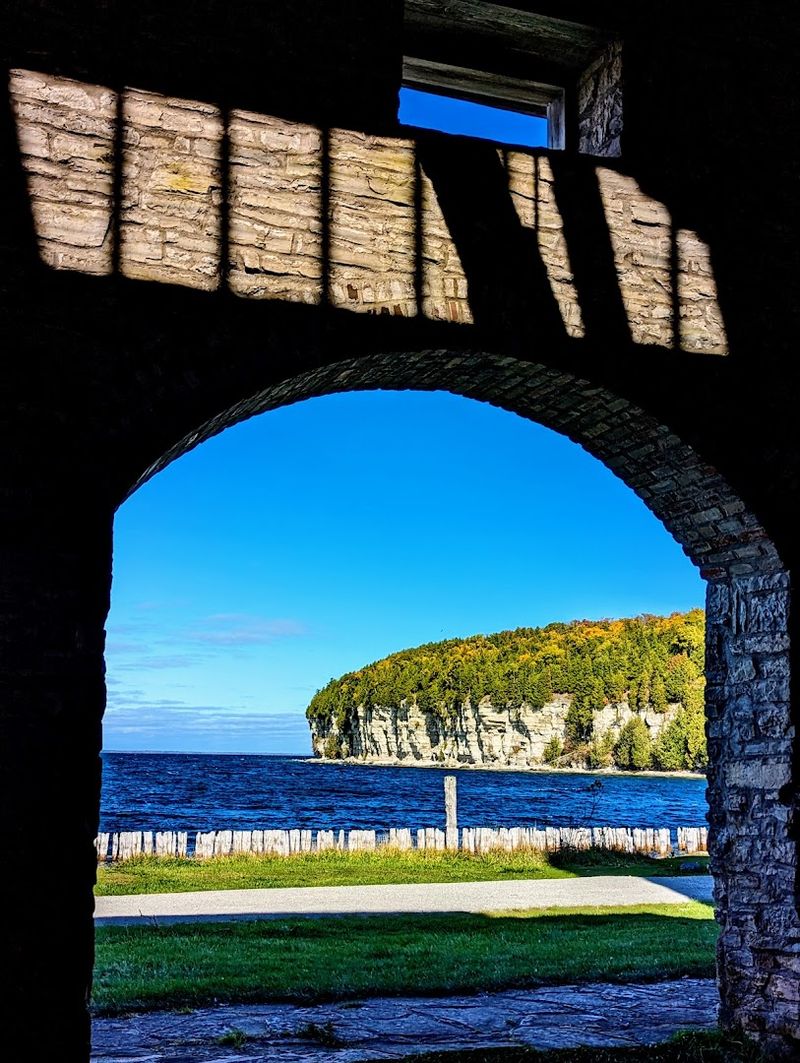
One camper at Fayette wrote that they saw one of the greatest sunsets of their life right there on the shoreline. That is a bold claim, but anyone who has stood at the water’s edge as the sun drops behind the lake will tell you it is not an exaggeration.
The combination of open water, limestone cliffs, and the remoteness of the location creates conditions that are hard to find anywhere else.
Because the park sits far from any major city, light pollution is nearly zero. That means sunsets bleed into star-filled skies with no interruption, and the transition from dusk to dark feels like watching a slow-motion special effect.
Campers who stay overnight get the full experience. Bring a blanket, find a spot near the water, and plan to stay out late.
The sky above the Upper Peninsula on a clear night is something that genuinely resets your perspective on the world.
Camping So Remote It Feels Like the Edge of the World
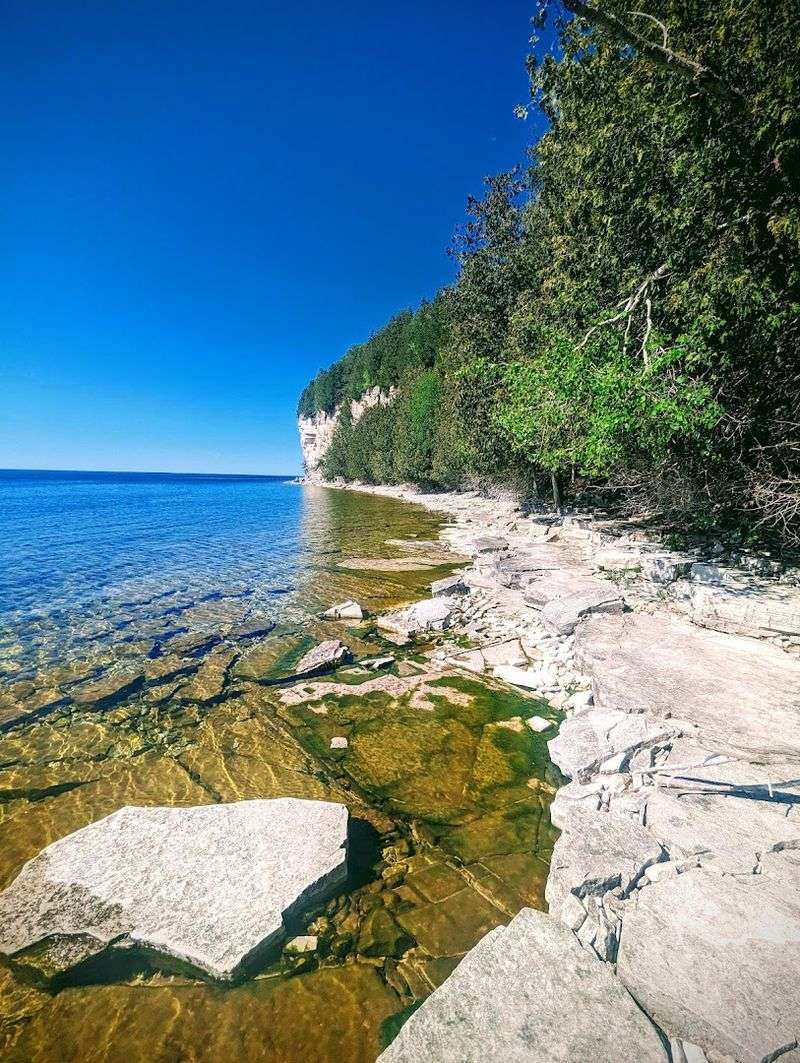
Camping at Fayette is not glamping. The sites are basic, grassy, and level, with no frills attached.
But that rawness is exactly what makes it special. One reviewer accidentally booked one night and ended up staying two because the atmosphere was so compelling they could not bring themselves to leave.
The campground sits in one of the most remote corners of Michigan’s Upper Peninsula. Cell service is minimal, nearby towns are small, and the closest grocery store offers what one camper called normal prices, which felt like a small miracle that far off the beaten path.
Zero light pollution means star gazing here is extraordinary. Campers report lying on their backs in the grass and seeing more stars than they thought possible.
It is the kind of quiet that feels earned, the reward for driving 15 miles off US-2 and committing to a place most people have never heard of.
Buildings You Can Actually Walk Inside
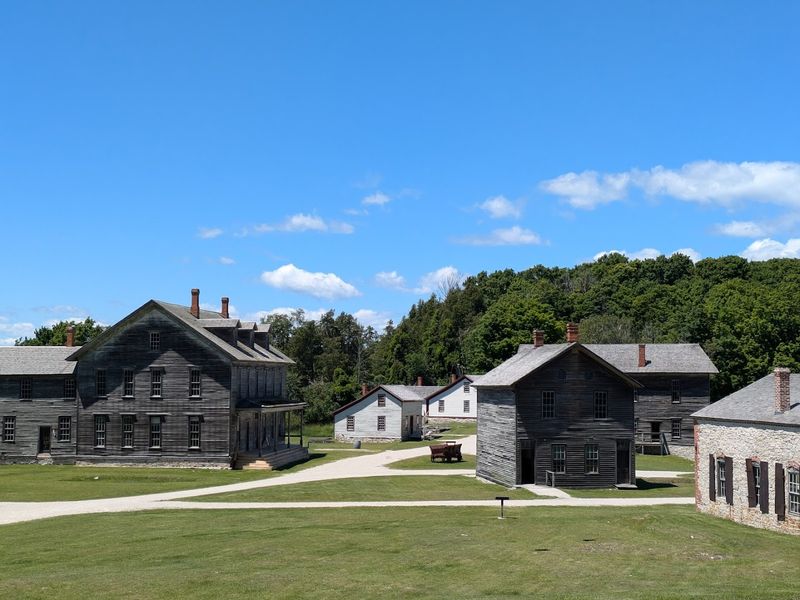
Most historic sites keep you behind a rope. Fayette hands you the keys.
Almost every structure in the townsite is open for visitors to enter, explore, and really inhabit. You can stand in the same rooms where iron workers ate, slept, and labored more than a hundred years ago.
Informational placards are placed throughout, explaining the history of each building and even noting where structures once stood that no longer exist. It creates a layered experience where the physical space and the written history work together rather than one just explaining the other.
Families with kids of all ages report that even teenagers who expected to be bored ended up reading every single sign and moving eagerly from building to building. There is something about being able to touch the walls and stand in the actual space that makes history feel urgent and alive rather than like something you are supposed to memorize for a test.
Kayaking the Shoreline Past Cliffs and Ruins
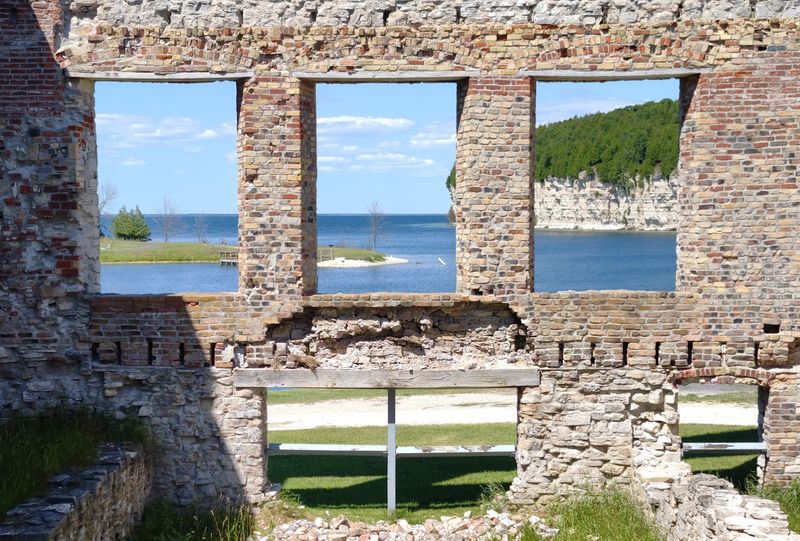
Seeing Fayette from the water is a completely different experience from walking the trails. The limestone cliffs look even taller from a kayak, and the ruins of the town visible through the tree line take on a cinematic quality when viewed from the bay.
It is one of those rare places that rewards you differently depending on your angle of approach.
Kayak rentals are available for around $30 each for 24 hours. Ask at the park entrance when you arrive.
The water in Big Bay de Noc is cold and clear, and on calm days the reflection of the cliffs on the surface is almost too beautiful to feel real.
Paddling close to the cliff base, you get a sense of the sheer geological scale of the Niagara Escarpment that you simply cannot appreciate from land. It is one of the most underrated outdoor experiences available anywhere in Michigan, and most visitors do not even know to ask about it.
A Winter Visit That Feels Genuinely Haunted
Summer crowds give Fayette a lively, social energy. Winter strips all of that away and leaves something far more atmospheric.
One visitor who came in the off-season described it as incredibly quiet and peaceful, calling it an unexpected gem. Snow covers the ruins, ice edges the shoreline, and the whole site feels like a place that has been waiting for you specifically.
Snowshoes are strongly recommended for a winter visit. The trails take on a completely different character under a layer of fresh snow, and the absence of other visitors means you can hear things you would normally miss, like the wind moving through the empty stone buildings or the distant sound of ice shifting on the bay.
There is something about Fayette in winter that makes the abandonment of the town feel more immediate and more poignant. The cold and the silence fill in the story in ways that summer sunshine simply cannot.
The History of the Iron Smelting Operation
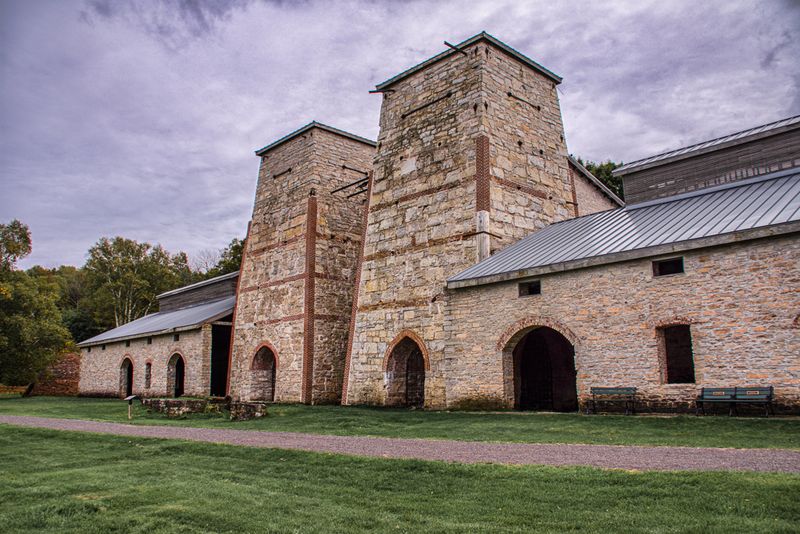
Between 1867 and 1891, Fayette was a fully functioning industrial town built around the production of pig iron. The Jackson Iron Company chose this spot deliberately: limestone for the smelting process was right there in the cliffs, hardwood forests provided charcoal fuel, and the natural harbor gave ships easy access to carry iron to markets across the Great Lakes.
At its peak, Fayette housed around 500 people. There were homes, a hotel, a company store, an opera house, and of course the massive furnace complex that drove the whole operation.
Then iron production methods changed, charcoal smelting became obsolete, and the town was simply shut down and walked away from.
That abrupt ending is part of what makes Fayette so compelling. Unlike towns that faded slowly, Fayette stopped all at once.
The DNR’s excellent signage throughout the park tells this story with clarity and detail that makes the industrial history feel genuinely gripping rather than dry.
Swimming at a Rocky Beach With a View
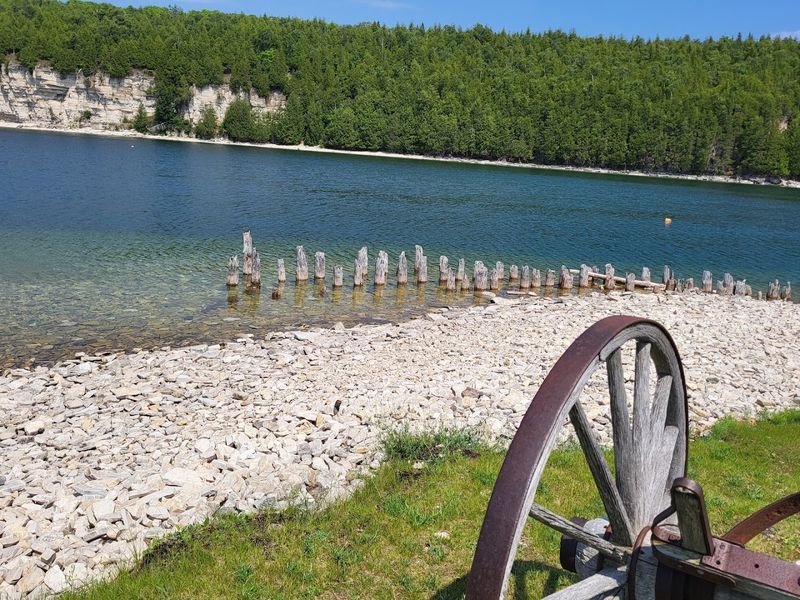
Fayette offers a swimming beach, though reviewers are quick to note that it is rocky rather than sandy. Pack water shoes if you plan to wade in, because the shoreline is made up of smooth stones rather than soft sand.
That said, the setting more than makes up for the lack of a sandy bottom.
Swimming here means looking up at limestone cliffs while cool Great Lakes water surrounds you. The beach area is clean and well-maintained, and on a hot summer day it draws families looking to cool off between exploring the townsite and hiking the trails.
One reviewer specifically mentioned the clean restrooms and water stations available throughout the park, which makes a full day of outdoor activity much more comfortable. Fayette manages to feel genuinely wild and remote while still providing the basic infrastructure that makes a long visit enjoyable for everyone, including young kids and older visitors.
How to Plan Your Visit and What to Bring
Planning ahead makes a real difference at Fayette. The park is open daily from 9 AM to 9 PM, and a Michigan Recreation Passport is required for entry.
A day pass costs $11, while an annual pass runs around $40. Arriving early is smart, especially in summer, since parking is currently partially under construction and fills up faster than you might expect.
Budget at least two to three hours for a thorough visit, though many people end up staying longer once they get into it. Comfortable walking shoes are essential because the trails involve some elevation, and the townsite involves a fair amount of walking on uneven ground.
Bring water, snacks, and a camera. The visitors center has clean restrooms, a gift shop, snacks, and even ice cream at surprisingly reasonable prices.
Dogs are welcome on leash, and the staff throughout the park are consistently praised for being friendly, helpful, and genuinely enthusiastic about the place.
Enjoyed this story?
Add Fast Food Club as a preferred source to see more of our reporting on Google.