


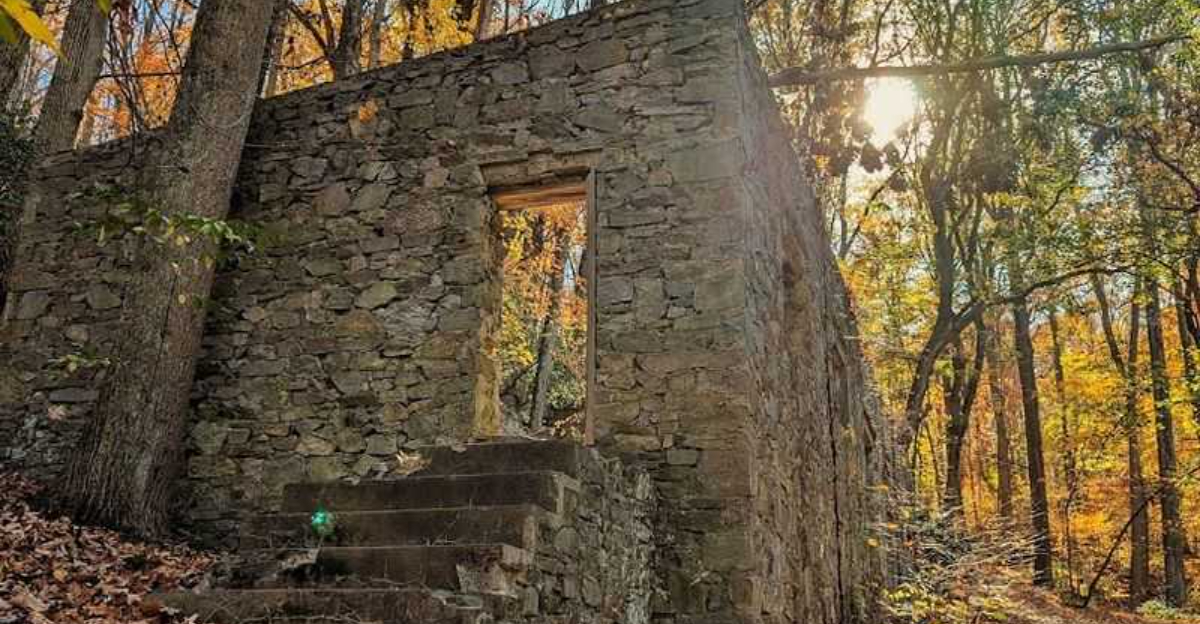
Tucked along the Horse-Shoe Trail in Phoenixville, Pennsylvania, the Colonial Springs Bottling Plant sits quietly in the woods of Valley Forge National Historical Park, slowly being reclaimed by nature. What was once a thriving commercial water operation has transformed into one of the state’s most intriguing abandoned landmarks.
Hikers stumble upon its stone ruins with a sense of wonder, unsure of the rich history hiding behind the crumbling walls. Whether you’re a history buff, an outdoor adventurer, or just someone who loves a good mystery, this forgotten place has something truly special to offer.
The Origins of Colonial Springs and General Benjamin Franklin Fisher
Few stories start with a Civil War hero and end with a bottling plant buried in the woods. General Benjamin Franklin Fisher was exactly that kind of larger-than-life figure.
After serving bravely in the Civil War, he transitioned into law and land development in Pennsylvania’s Schuylkill Township.
Fisher gradually consolidated many small, fragmented land tracts on the mountain into one impressive single holding. His property stretched from Colonial Springs all the way down to Valley Creek and across to the top of Stirling’s Quarters Farm, which is now within the park boundary.
He eventually moved to a home directly across from the Colonial Springs site. When Valley Forge State Park took over the area, that house was demolished, but its foundations are still visible opposite the bottling plant ruins today.
Fisher’s vision shaped this entire landscape.
Cold Spring Water and the 1908 Commercial Lease
Water was the gold of this mountain, and General Fisher knew it. Around 1900, a man named C.
T. Chase agreed to purchase at least 5,000 gallons of Cold Springs water per month directly from Fisher.
That deal set the stage for something bigger.
By 1908, Fisher officially granted a lease to the Colonial Springs Company, giving them rights to use the waters of Cold Spring for commercial purposes. This marked the true beginning of what would eventually become the bottling plant operation that hikers discover today.
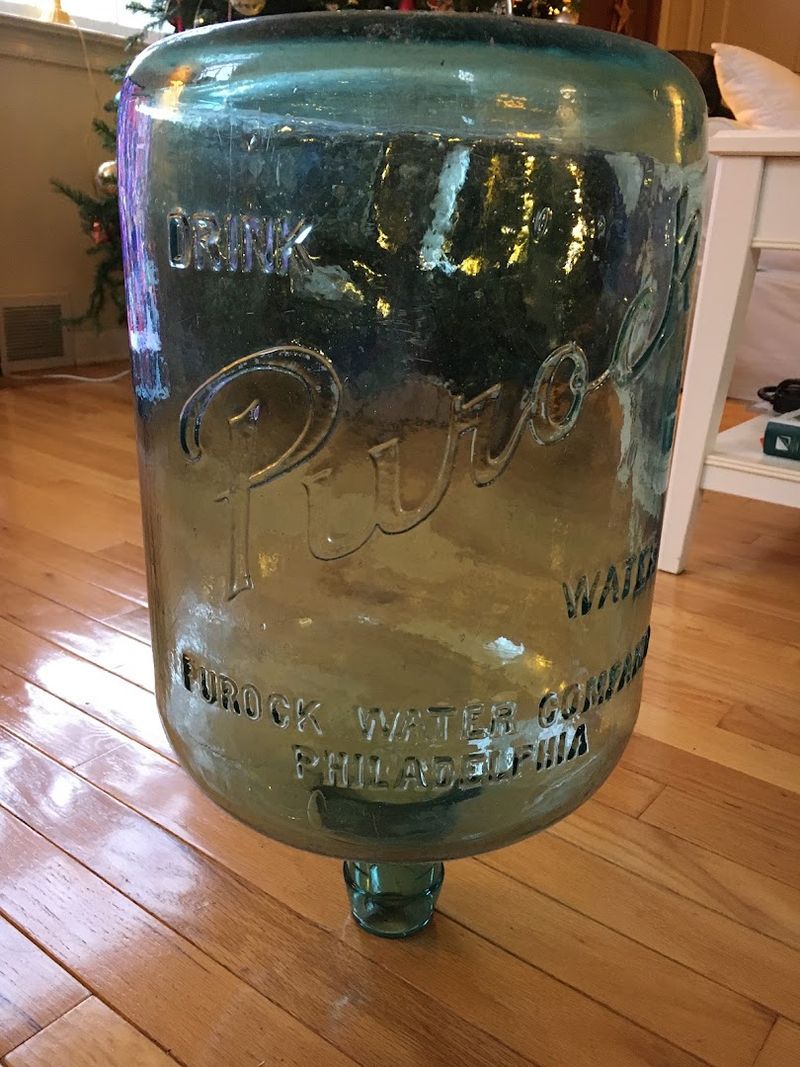
The water was not bottled for direct sale to everyday consumers right away. Instead, it was transported in large glass carboys to nearby Reading Railroad tracks and then delivered to hotels and businesses throughout Philadelphia.
The spring’s crystal-clear water was clearly valued far beyond the mountain it came from.
The Ruins Along the Horse-Shoe Trail
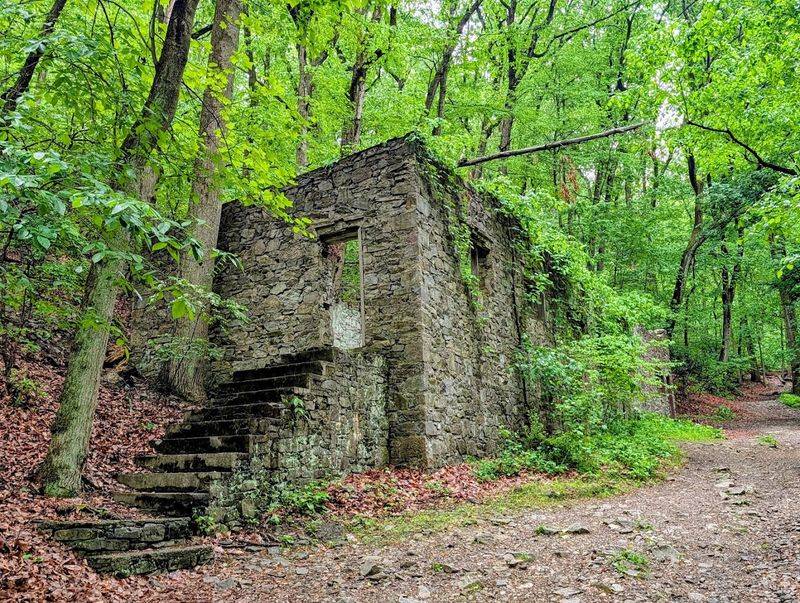
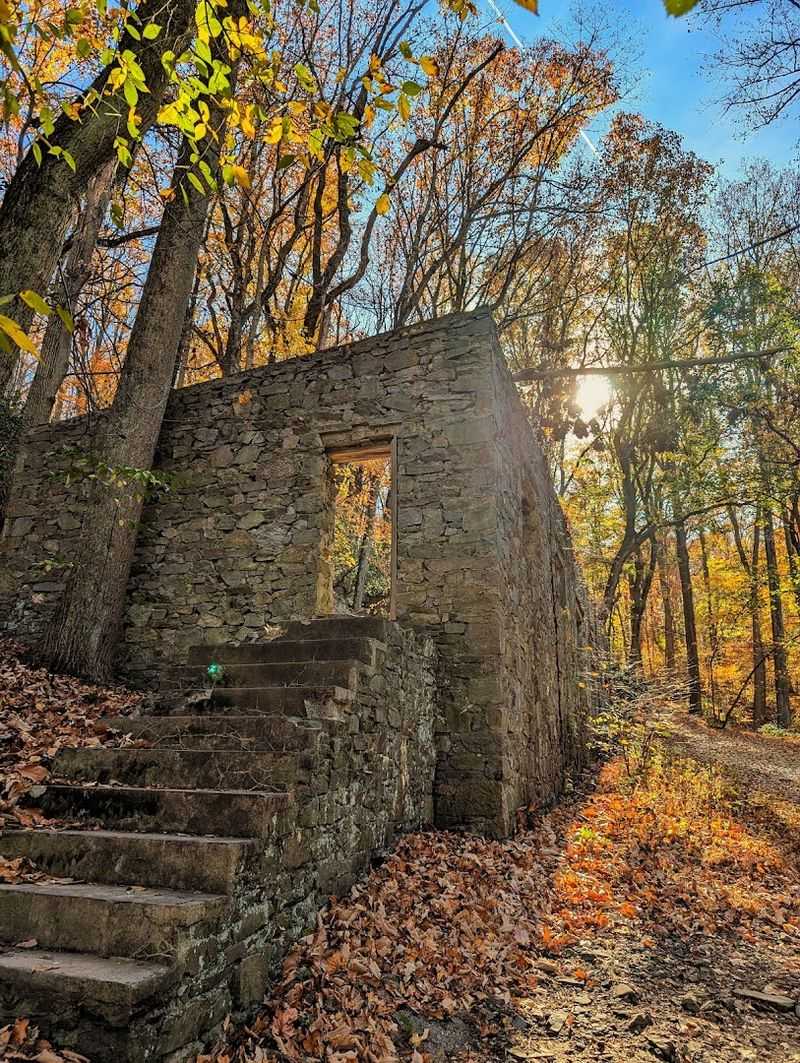
Coming across the ruins of the Colonial Springs Bottling Plant mid-hike feels a little like finding a secret. The stone walls rise unexpectedly from the forest floor, draped in moss and surrounded by wildflowers, giving the whole scene an almost dreamlike quality.
Located along the Horse-Shoe Trail, also known as the Mt. Misery Trail, the ruins are accessible but not always easy to spot.
Many visitors walk right past without realizing what they are looking at until they stop and take a closer look at the stonework.
Valley Forge National Historical Park has begun maintaining the ruins to help preserve what remains. Visitors consistently describe the site as a peaceful and thought-provoking stop during their hike.
One reviewer even noted that wildflowers and birdsong fill the air around the ruins, making it a perfect spot for quiet reflection.
Charles Hires and the Root Beer Connection
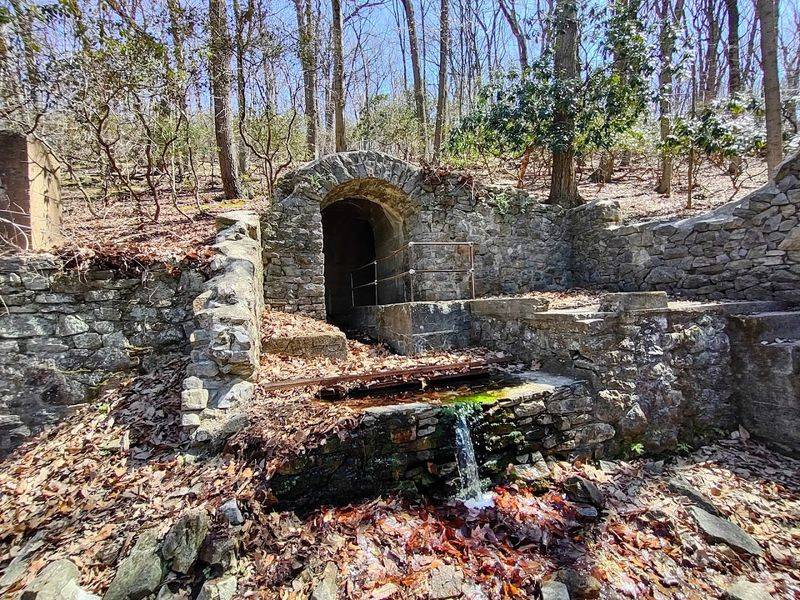
When General Fisher died in 1915, his heirs sold the Colonial Springs property to one of the most recognizable names in American beverage history: Charles Hires, the man behind Hires Root Beer. That name alone makes the ruins feel even more legendary.
Despite the exciting connection, there is no solid evidence that Hires ever produced root beer at the Colonial Springs site. His main plant in the area was located in Malvern, Pennsylvania, where very large quantities of condensed milk were actually being manufactured at the time.
Some stories suggest the Hires company produced a distilled drinking water product and even a battery water product under the Purock brand name, but most hard evidence points to those operations happening within Philadelphia itself. The springs, with their limited water output, were simply too small-scale for Hires’ industrial ambitions.
The Reading Railroad and Water Transport History
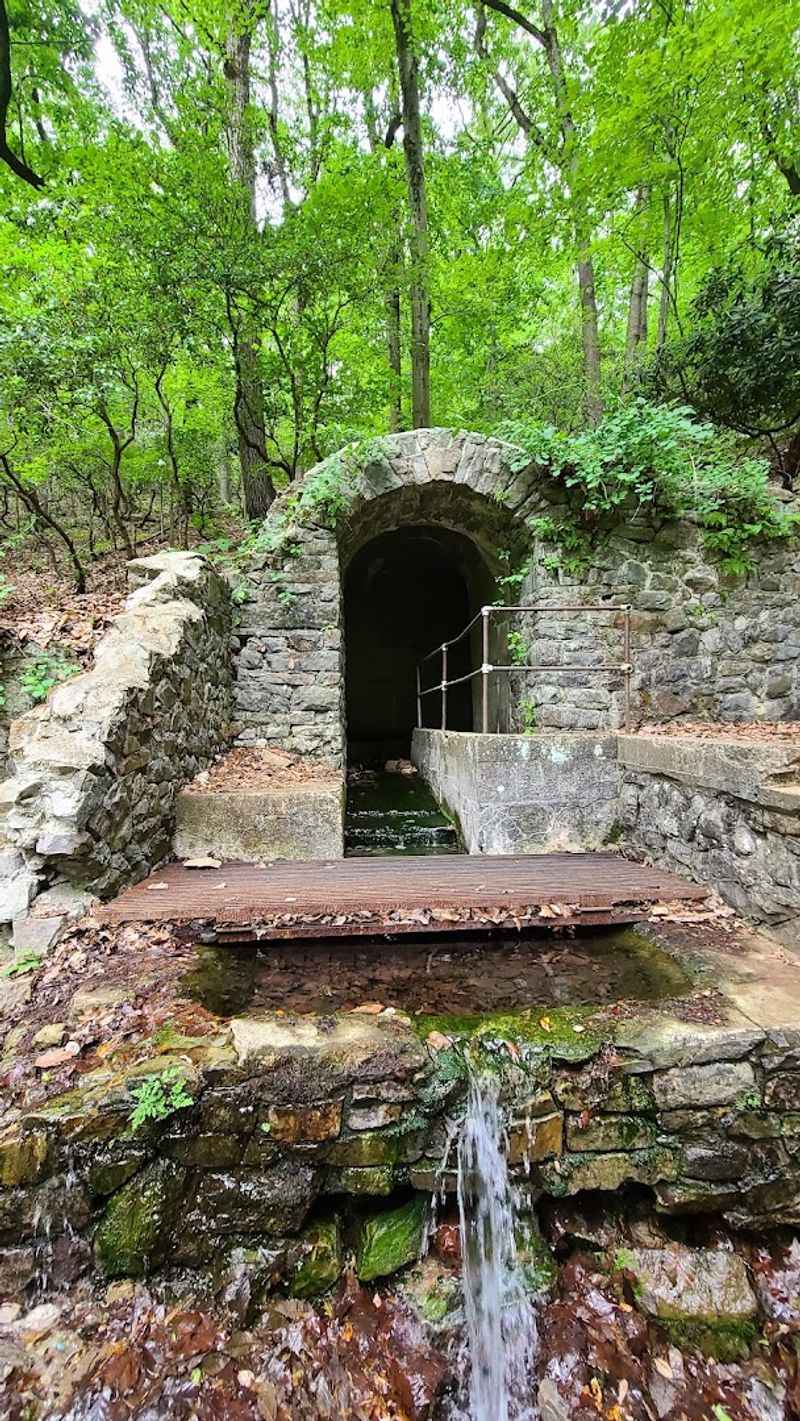
Getting spring water from a wooded mountain into the hands of Philadelphia hotel guests was no small logistical challenge in the early 1900s. The solution was elegant in its simplicity: large glass containers called carboys were filled with Cold Springs water and hauled to the nearby Reading Railroad tracks.
From there, the water made its way into the city by rail, reaching hotels and similar establishments that valued the clean, natural taste of mountain spring water. This kind of delivery system was common for premium water products of the era.
Meanwhile, a separate but related conflict was unfolding nearby. When Francis Bean began harvesting quartzite from Mt.
Misery and built a narrow gauge railroad to move the stone, General Fisher protested loudly. He feared the railroad’s construction would threaten the purity and flow of his beloved springs, though no evidence ever confirmed actual harm occurred.
Valley Forge State Park Takes Over in the 1930s
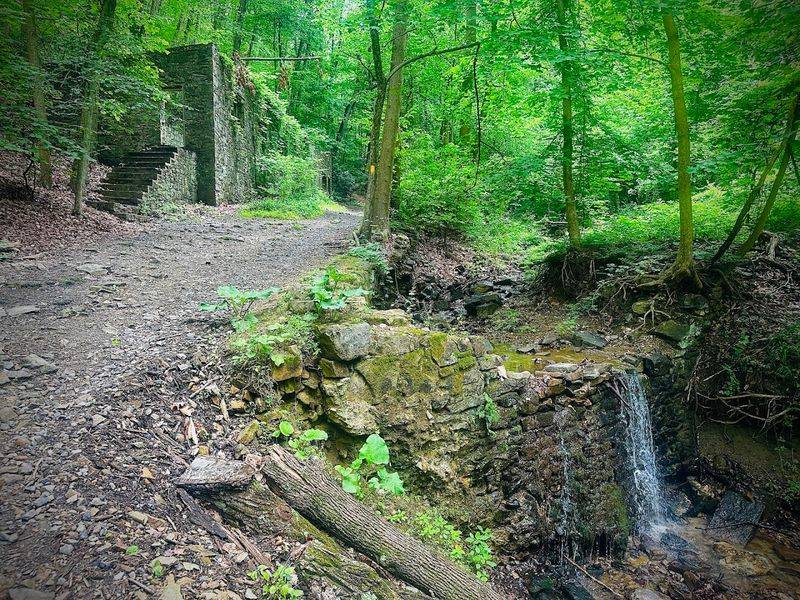
By the 1930s, the Colonial Springs property had passed through several hands and was no longer operating as a commercial water venture. Valley Forge State Park stepped in and purchased the land, bringing it into the public domain for generations of Pennsylvanians to enjoy.
The transition from private commercial property to public parkland meant that some structures were removed. General Fisher’s former home, which sat directly across from the bottling plant, was demolished by the park.
Its foundations are still visible today for those who know where to look.
The park’s acquisition helped preserve the natural landscape and the spring itself. Over the decades, the ruins of the bottling plant were left largely untouched, which is exactly why they carry such a powerful sense of frozen time today.
The forest has slowly grown back around the stone walls, creating a hauntingly beautiful setting.
What the Ruins Actually Look Like Up Close
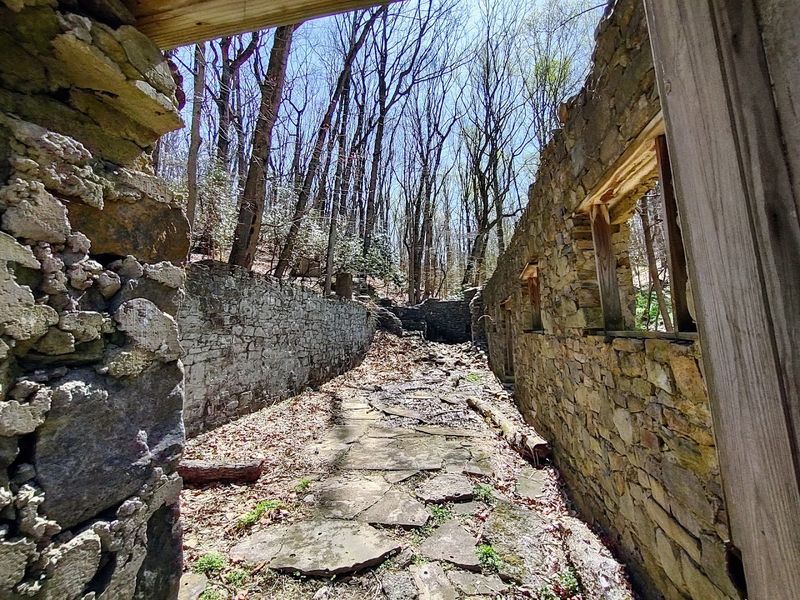
Standing inside the ruins of the Colonial Springs Bottling Plant is a genuinely surreal experience. The stone walls, though crumbling in places, still stand several feet high and give a clear impression of how substantial the original structure once was.
Visitors have described the water near the site as crystal clear even today, a testament to the natural spring that first made this location so valuable. The interior of the ruins can get muddy after rainfall, so waterproof footwear is always a smart call before heading out.
Some of the walls carry old graffiti, and one particularly memorable visitor review mentioned seeing writing that called the spot a portal to another world entirely. Whether you find it spooky or simply atmospheric, there is no denying the ruins carry a certain magnetic energy that makes it hard to walk away quickly.
The Challenge of Hiking Mt. Misery Trail
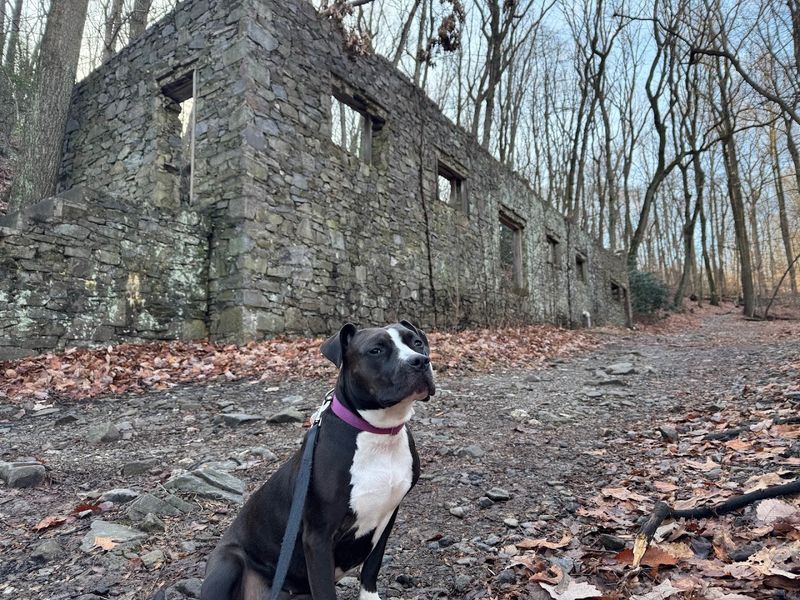
Do not let the name fool you into thinking Mt. Misery Trail is a casual stroll.
This trail earns its dramatic name through a series of steep elevation changes, rocky surfaces, and sections that can challenge even experienced hikers on a good day.
Multiple visitors have recommended bringing hiking poles, especially for those with sensitive knees. The trail is not designed for flip-flops or casual sneakers.
Proper hiking boots make a noticeable difference in both comfort and safety along the rocky stretches leading to the ruins.
Parking at the trailhead can fill up quickly, especially on weekends, so arriving early is a smart move. The trail is open daily from 7 AM to 8 PM, giving visitors plenty of daylight to make the trek.
Once you reach the bottling plant ruins, the effort feels completely worth every rocky step you took to get there.
Wildlife and Wildflowers Surrounding the Site
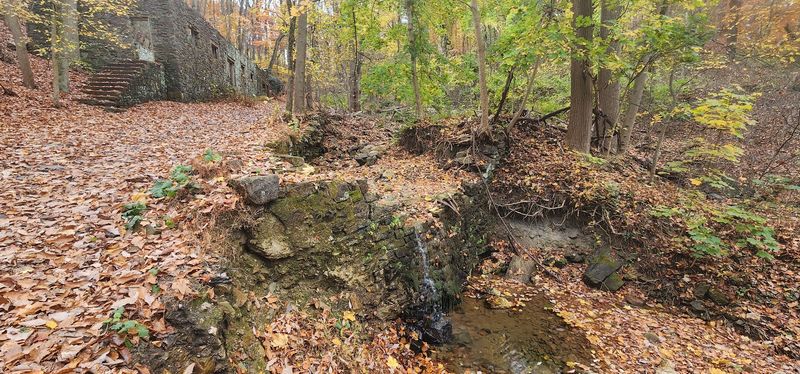
Nature has fully embraced the old Colonial Springs Bottling Plant as its own. The ruins are surrounded by a stunning display of seasonal wildflowers that bloom in waves throughout spring and summer, turning the crumbling stonework into something resembling a living painting.
Birdsong fills the air around the site, with various songbird species making the area their home. One longtime visitor who grew up near Valley Forge Park described returning to the ruins as an adult and being moved by the combination of natural beauty and layered history all in one place.
The forest canopy overhead filters sunlight in ways that shift the mood of the ruins dramatically depending on the time of day. Morning visits offer a soft golden light, while afternoon hours bring deeper shadows that make the stone walls look even more ancient and mysterious.
Every season offers a completely different visual experience.
Local Legends and the Mystery of the Missing History
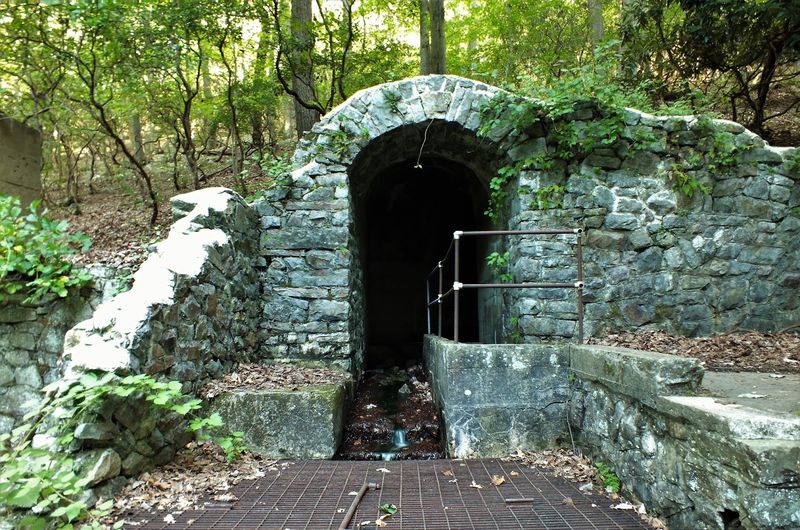
One of the most fascinating things about the Colonial Springs Bottling Plant is how little official history has been recorded about it. Even dedicated local historians and enthusiastic amateur researchers have struggled to find complete documentation of the site’s full story.
For years, people who grew up nearby simply called it the Hires Plant, without being able to confirm whether that name was accurate. The mystery surrounding the site has actually become part of its charm, drawing in curious visitors who want to piece together the puzzle themselves.
Online information remains sparse even today, which is part of why a visitor review from years ago called for an informational plaque at the site. The park has made some preservation efforts, but the full story of the Colonial Springs Bottling Plant still has gaps that historians and hikers alike find endlessly intriguing.
Some secrets, it seems, the forest keeps for itself.
Tips for Planning Your Visit Today
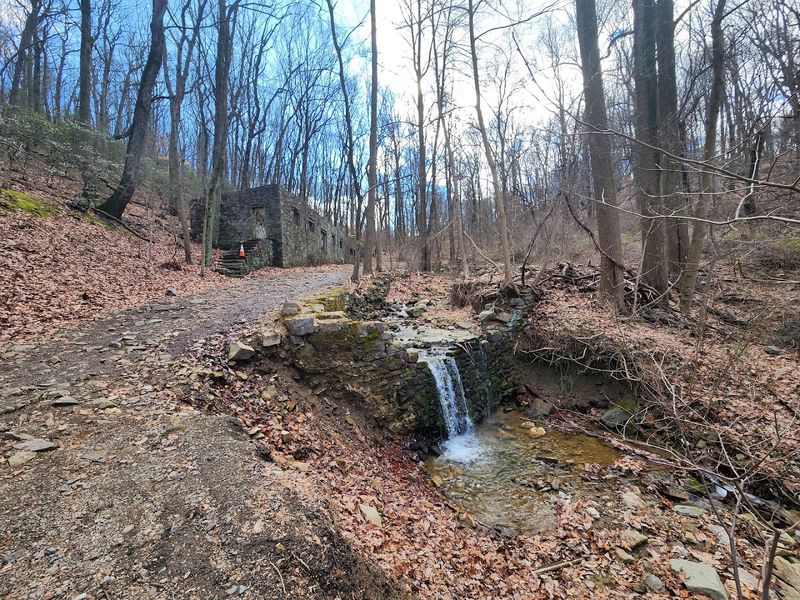
Planning a visit to the Colonial Springs Bottling Plant ruins is straightforward, but a little preparation goes a long way. The site is located along the Horse-Shoe Trail within Valley Forge National Historical Park, and the trailhead parking lot fills up fast on weekends and sunny days.
The ruins are accessible daily from 7 AM to 8 PM, so early morning arrivals are ideal for beating the crowds and catching the best light. Wear sturdy hiking boots, pack enough water, and consider bringing trekking poles if your knees tend to ache on uneven terrain.
For questions or park information, you can contact the park at +1 610-783-1000 or visit the National Park Service website at nps.gov/vafo. Cell service on the trail can be spotty, so downloading a trail map before you leave home is always a practical idea.
The adventure is absolutely worth it.
Why Abandoned Places Like This Matter for Pennsylvania History
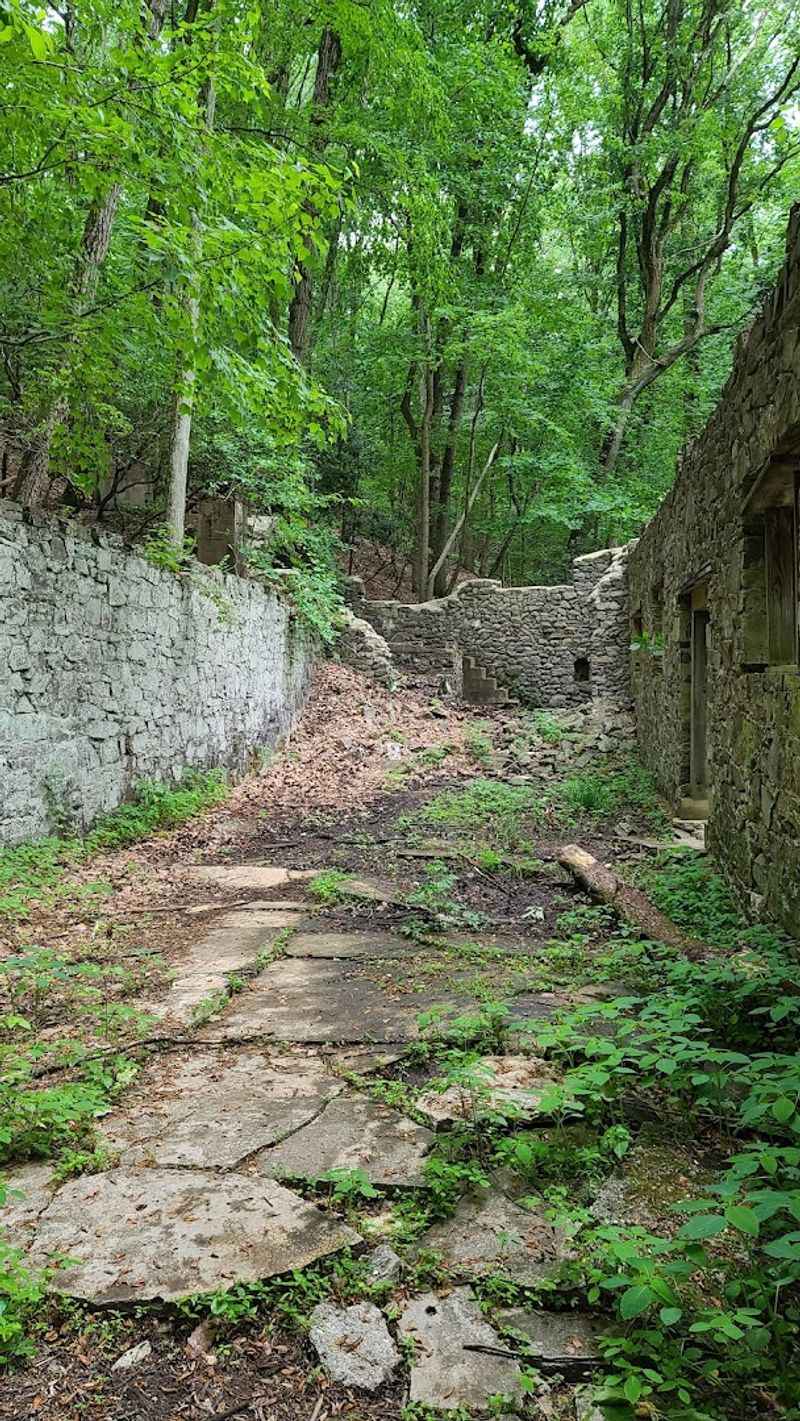
Abandoned places carry stories that no textbook quite captures the same way. The Colonial Springs Bottling Plant is a physical record of industrialization, entrepreneurship, and the natural resource economy of 19th and early 20th century Pennsylvania, all wrapped in moss and forest silence.
Sites like this remind us that the landscape we hike through today was once a working, breathing part of everyday commerce. People hauled water here, loaded railroad cars, and built stone walls expecting them to last.
In a way, they did last, just not in the way anyone originally planned.
Preserving these ruins means preserving context for future generations. When the park maintains the stonework and keeps the trail accessible, it gives every visitor a chance to connect with a chapter of Pennsylvania history that might otherwise disappear entirely.
That connection between past and present is exactly what makes places like this irreplaceable.
Visitor Experiences and What People Are Saying
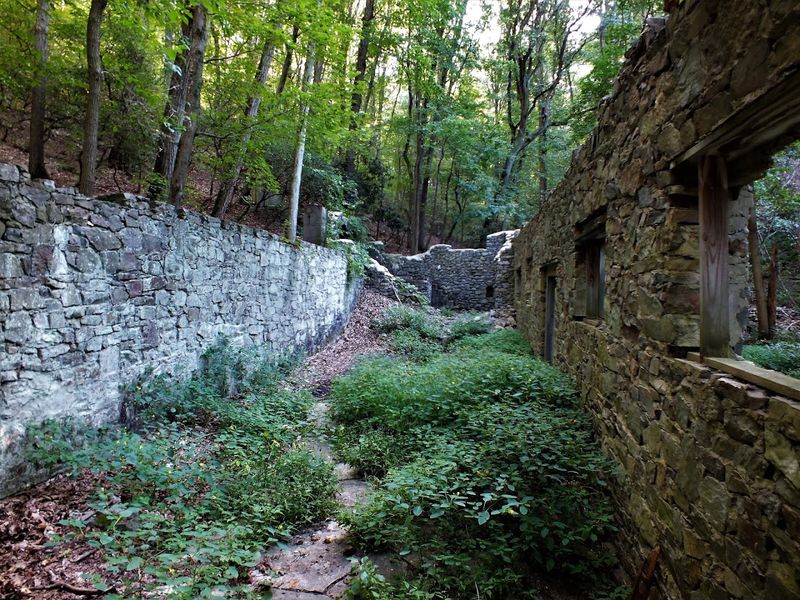
The reviews for Colonial Springs Bottling Plant speak volumes. Rated 4.8 out of 5 stars based on visitor experiences, the site consistently earns praise for its unique combination of natural beauty, historical intrigue, and trail adventure all rolled into one outing.
One reviewer described the water near the ruins as crystal clear, while another said the hike felt like stepping back several centuries in time. A longtime local visitor shared that the site had been a regular childhood destination, and returning as an adult brought a powerful wave of nostalgia mixed with new appreciation.
Even the more challenging aspects of the hike, like the steep elevation changes and rocky footing, are framed positively in most reviews. Visitors seem to agree that the effort makes the discovery feel more rewarding.
Stumbling upon those stone walls after a tough climb gives the whole experience a satisfying, almost cinematic payoff.
Enjoyed this story?
Add Fast Food Club as a preferred source to see more of our reporting on Google.