


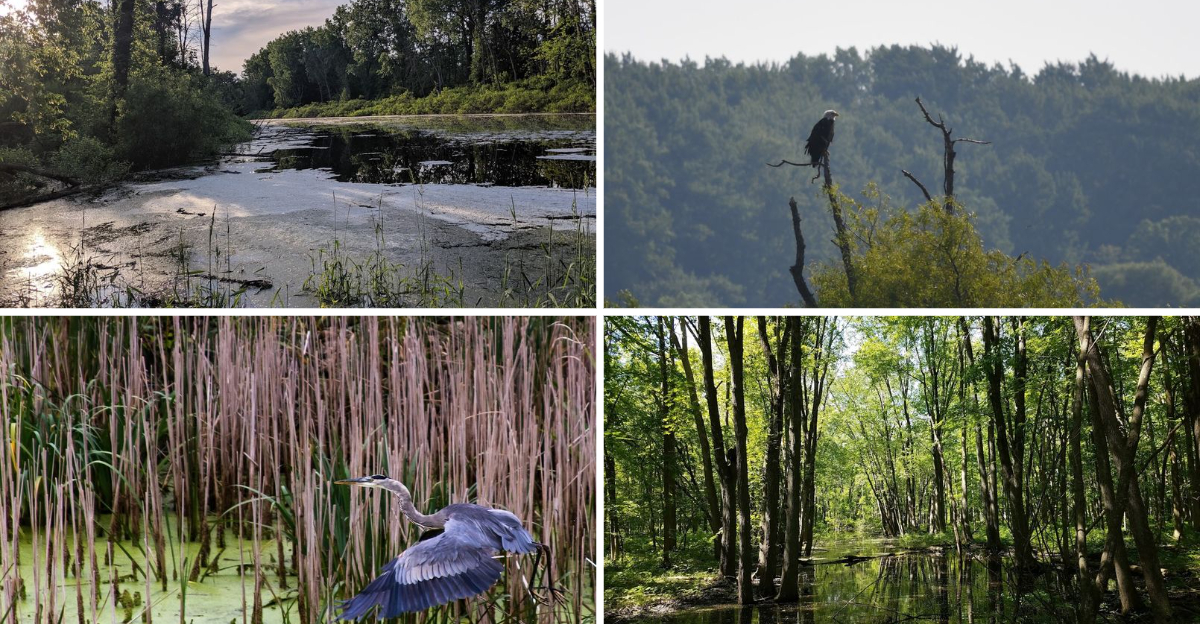
Tucked away in Saginaw, Michigan, the Shiawassee National Wildlife Refuge is one of those rare places that feels like a well-kept secret. Spread across thousands of acres of wetlands, forests, and open fields, it draws nature lovers, birdwatchers, and curious families from all over the state.
Whether you want to cruise through on a scenic auto tour or lace up your hiking boots, this refuge has something special waiting around every bend. If you have never heard of it before, get ready to add it to your must-visit list.
The Auto Tour Route That Will Leave You Speechless
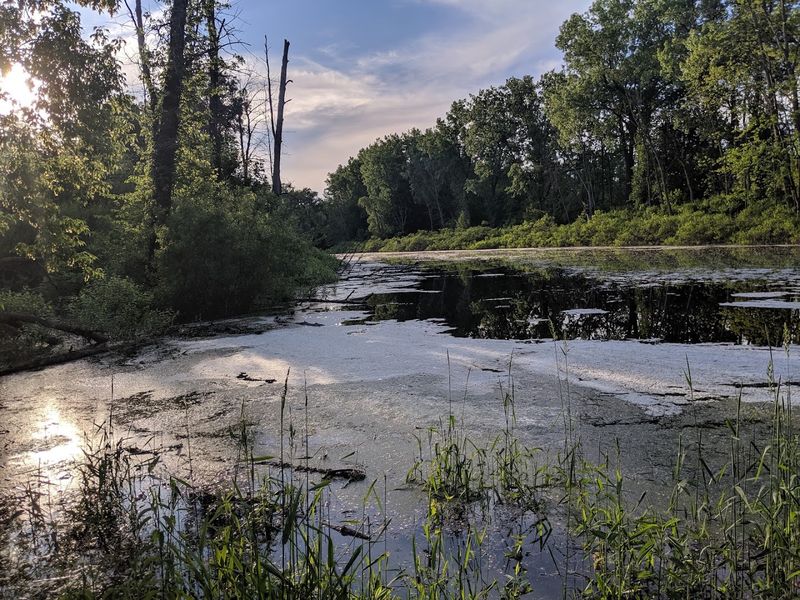
Some drives are just about getting from point A to point B, but the auto tour route at Shiawassee National Wildlife Refuge is a whole experience on its own. The six-mile, one-way gravel path takes you through stunning wetland scenery that feels completely removed from everyday life.
Visitors consistently call it one of the most peaceful drives they have ever taken.
Pull over at the designated stopping points to step out and soak in the views from observation decks. Bring binoculars or a camera with a long zoom lens, because the wildlife tends to hang out a little farther from the road.
Bald eagles, herons, egrets, and sandhill cranes have all been spotted from this route.
Plan for anywhere between 30 minutes and two hours depending on how many times you stop. There is no rush, and that is exactly the point.
Bald Eagles Soaring Overhead Like It Is No Big Deal
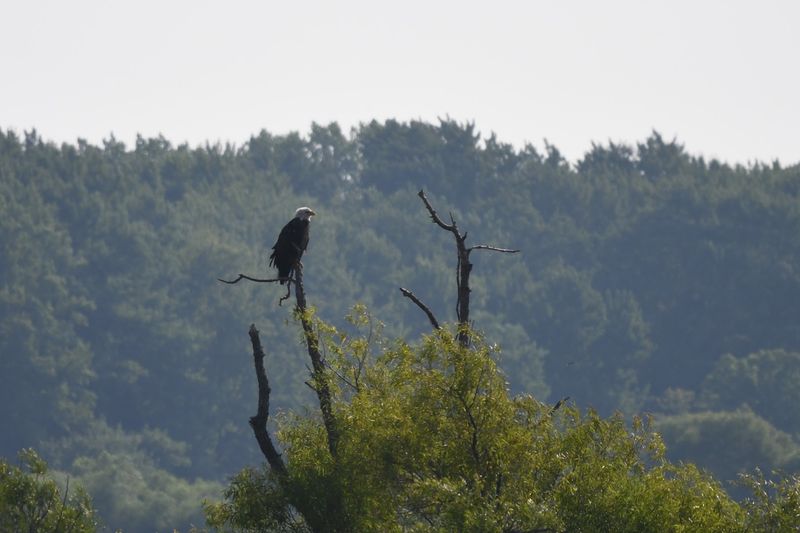
Spotting a bald eagle in the wild never gets old, and at Shiawassee, seeing one is practically a regular occurrence. Visitors have reported bald eagle sightings during nearly every season, making this refuge one of Michigan’s most reliable spots to catch a glimpse of the national bird in action.
Eagles here are often seen perching in tall trees near the water or gliding low over the marsh in search of fish. One reviewer mentioned seeing an eagle almost every single visit, which is pretty remarkable for a spot that does not even charge admission.
For the best chance of a sighting, arrive early in the morning when wildlife tends to be most active. A good pair of binoculars will make all the difference.
These birds are majestic from a distance, but with the right gear, you can really appreciate every detail.
Migratory Waterfowl Shows That Rival Any Nature Documentary
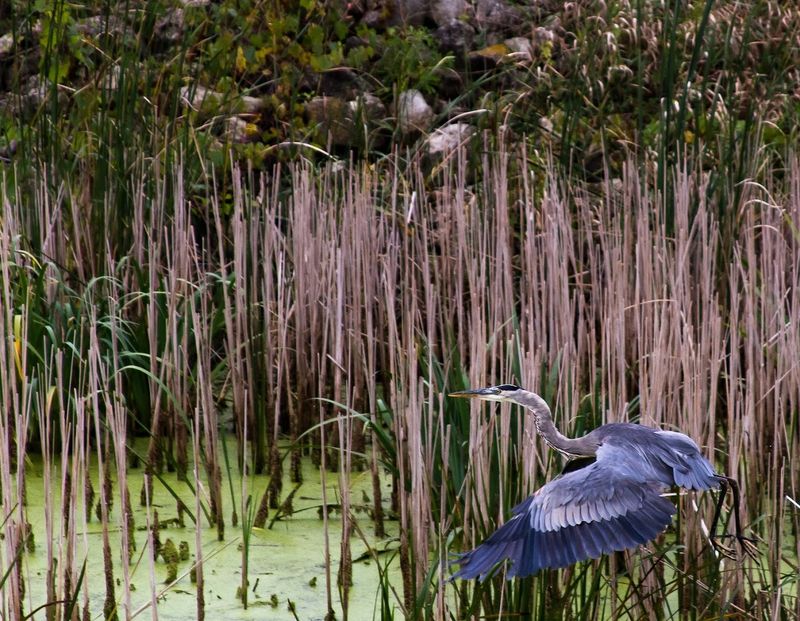
Every year, tens of thousands of migratory birds pass through Shiawassee National Wildlife Refuge, turning the wetlands into one of Michigan’s most spectacular natural shows. Sandhill cranes, Canada geese, teal, and dozens of other species stop here to rest and feed during their long journeys north and south.
The refuge sits along a major migratory flyway, which means the bird action can be jaw-dropping during peak seasons in spring and fall. Visitors in early July have reported seeing massive numbers of sandhill cranes, egrets, and herons all in one outing.
It is the kind of thing that makes you want to come back every single year.
Late August visits tend to be quieter since many birds have already moved on, but there are still plenty of species to spot. Timing your visit around migration season is absolutely worth the extra planning effort.
Hiking Trails That Connect You With Nature Up Close
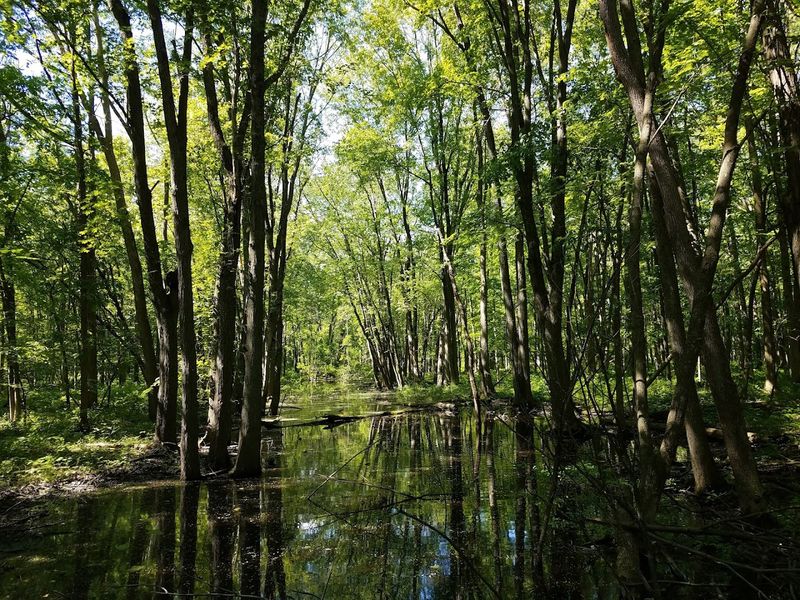
Walking the trails at Shiawassee is a completely different experience from the auto tour, and many visitors say it is even more rewarding. The paths are wide, well-marked, and take you right into the heart of the refuge where you can hear frogs singing, insects buzzing, and geese calling in the distance.
One hiker covered 5.5 miles in a single outing and encountered multiple wildlife species along the way. The trails wind through woodland areas and along the river, giving you a real sense of how diverse this ecosystem actually is.
Some sections can flood after heavy rain, so checking conditions before you go is always a smart move.
Evening hikes have a magical quality here. As the sun sets, the sounds of coyotes, swans, and sandhill cranes fill the air in a way that feels almost surreal.
Bug spray is a must, especially in summer.
Great Blue Herons Doing Things You Have To See To Believe
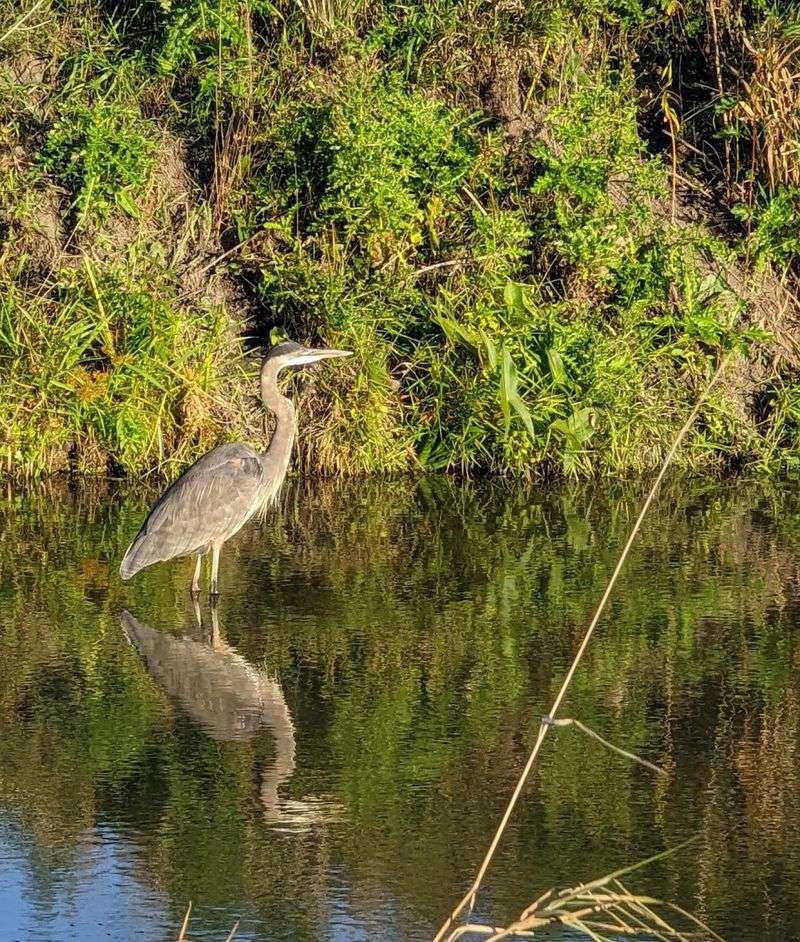
Great Blue Herons are one of the most dramatic birds you can watch in the wild, and Shiawassee gives you plenty of chances to do exactly that. These tall, patient hunters stand completely still in shallow water before striking with lightning speed to catch fish, frogs, and other prey.
One visitor shared an unforgettable moment of watching a Great Blue Heron swallow an entire carp whole, which sounds unbelievable until you actually see how large these birds can be. They have wingspans that stretch up to six feet, making them look almost prehistoric when they take flight across the marsh.
Herons tend to hang out near the water’s edge throughout the refuge, so your chances of spotting one are high no matter where you explore. Patience is key.
Stand still for a few minutes near any open water, and one will likely appear before long.
Stunning Sunsets Over the Wetlands That Stop You in Your Tracks
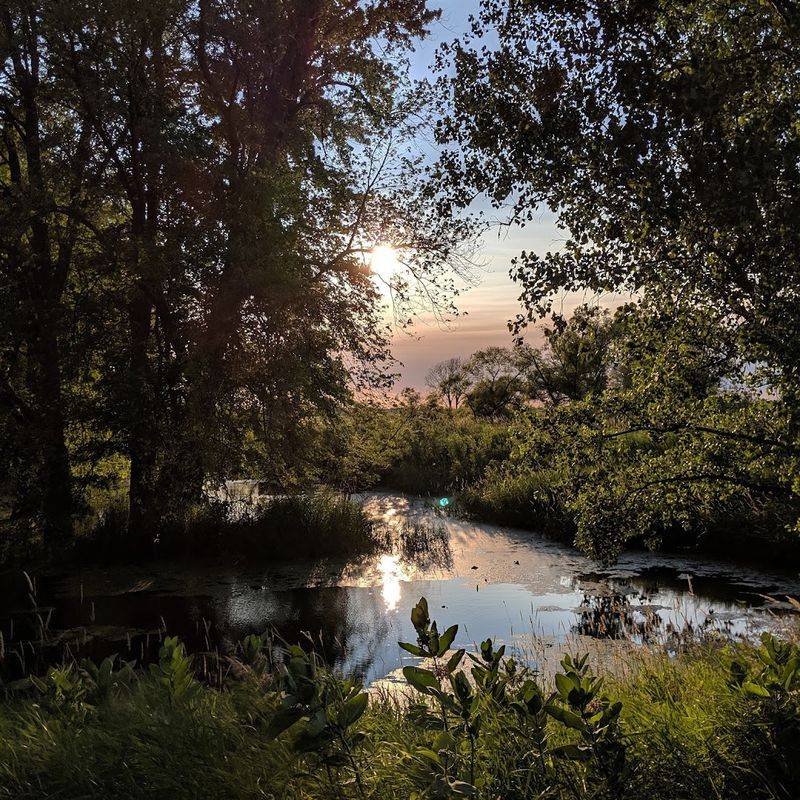
There is something about a wetland sunset that hits differently than any other kind. At Shiawassee, the wide-open landscape means the sky puts on a full performance, with colors stretching from horizon to horizon without anything blocking the view.
Multiple visitors have specifically mentioned coming to the refuge just to watch the sunset, and it is easy to understand why. The combination of glowing water, silhouetted birds, and the sounds of evening wildlife creates an atmosphere that feels genuinely cinematic.
One reviewer called it the perfect place to take in the sunset and spot bird species all at once.
The auto tour route and observation decks offer great vantage points for catching the evening light. Arriving about an hour before sunset gives you time to find your spot and settle in.
Bring a camera, because these skies deserve to be captured and shared.
Pelicans in Michigan? Yes, They Really Do Show Up Here
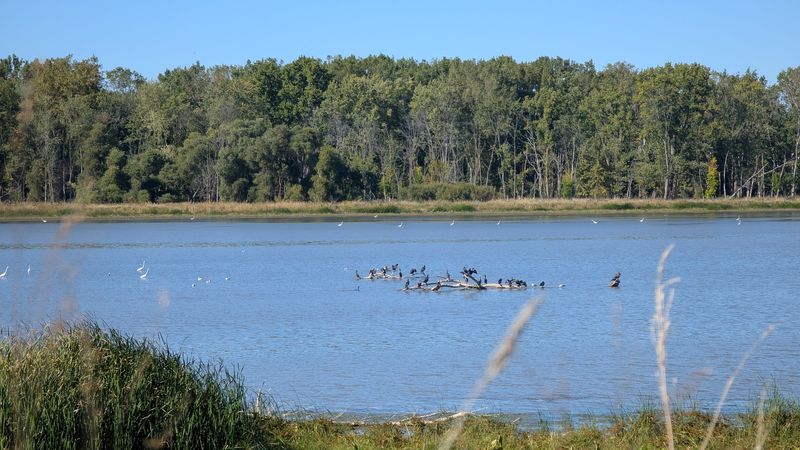
Most people do not associate pelicans with Michigan, which makes spotting them at Shiawassee one of the most surprising and delightful experiences the refuge has to offer. American White Pelicans do pass through this area during migration, and several visitors have been completely caught off guard by the sighting.
One reviewer admitted they had no idea pelicans even visited Michigan until they saw a group of them from the auto tour route. These birds are enormous, with wingspans that can reach nine feet, making them hard to miss even from a distance.
Seeing them glide over a Michigan wetland is the kind of moment that makes you fall in love with birdwatching.
Pelican sightings are not guaranteed, but they happen often enough to be worth keeping your eyes open. A good spotting scope or telephoto lens will help you appreciate their impressive size and graceful movement.
The Peaceful Fishing Spots Along the River
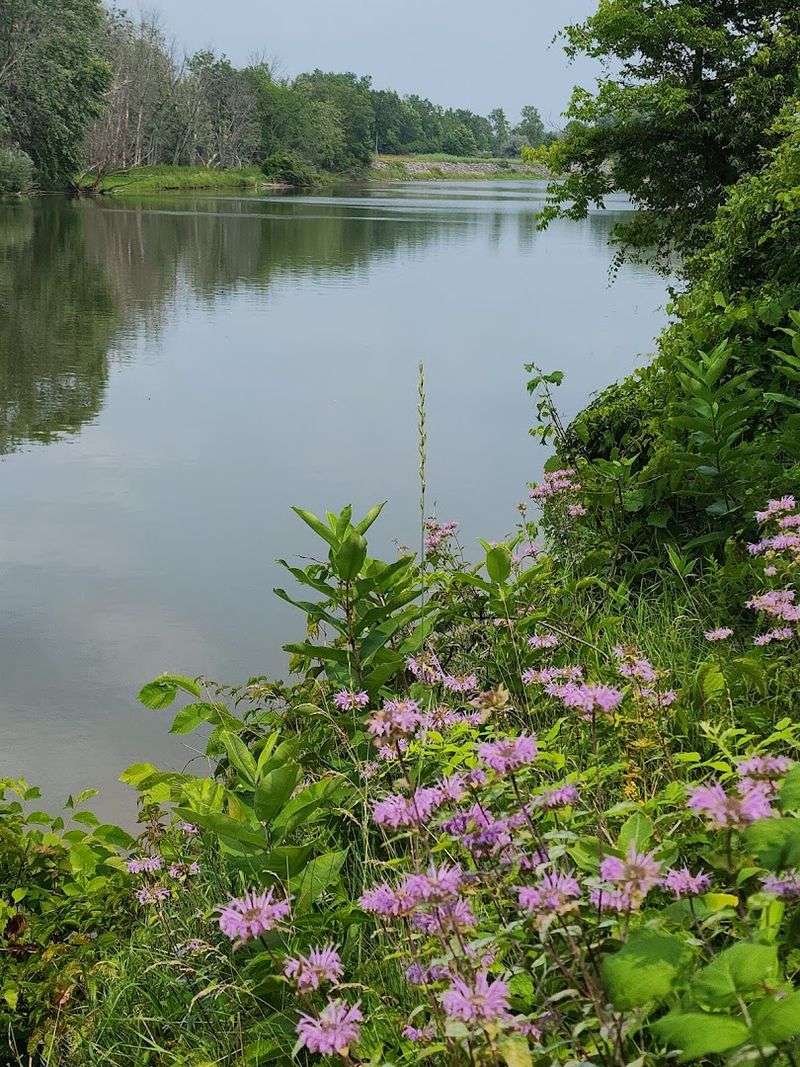
Not everyone comes to Shiawassee just for the birds. The refuge also borders the Tittabawassee River, giving anglers a beautiful and uncrowded spot to cast a line while surrounded by some of Michigan’s most impressive natural scenery.
One regular visitor mentioned combining trail hikes with fishing sessions along the river, making for a full day out in nature without ever feeling bored. The riverside sections of the refuge have a quiet, almost forgotten quality that feels like stepping back in time.
You might share the water with a heron or two, which is honestly not a bad fishing companion.
The refuge is open Monday through Friday from 7:30 AM to 4 PM, so planning your fishing trip during the week is your best bet for access. Weekends have limited access, so checking the schedule before you head out will save you a wasted trip.
Wildlife Photography Opportunities That Are Hard to Beat
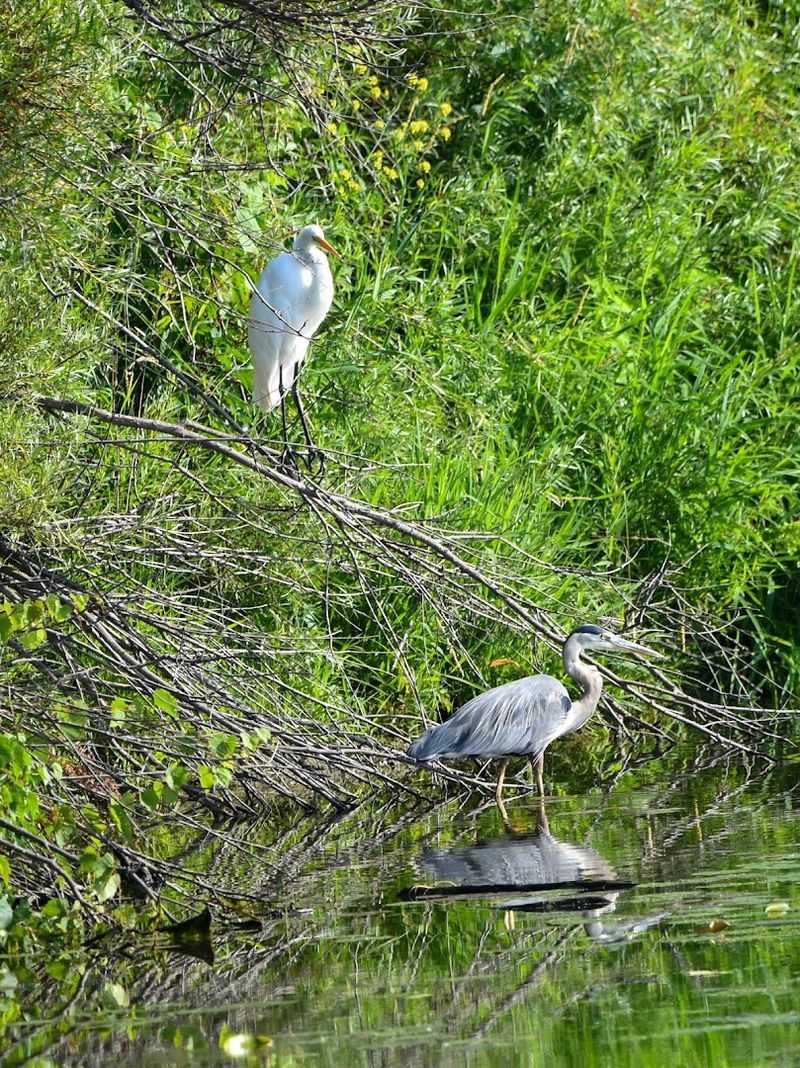
Photographers, both amateur and experienced, consistently rank Shiawassee as one of their favorite spots in all of Michigan. The sheer variety of subjects, from bald eagles and sandhill cranes to deer, turtles, and wildflowers, means your memory card will be full before you even finish the auto tour.
Reviewers strongly recommend bringing a camera with a long zoom lens, since many animals keep a comfortable distance from visitors. A 300mm lens or longer will give you the best results, especially for bird photography.
Early morning visits offer the softest light and the most active wildlife, which is a combination that serious photographers dream about.
Even if you only have a smartphone, the refuge still rewards patience and creativity. Dragonflies, butterflies, and wildflowers make for beautiful close-up shots that do not require any special equipment.
Every visit here tends to produce at least one image worth showing off.
Deer Wandering Freely Through the Woods and Fields
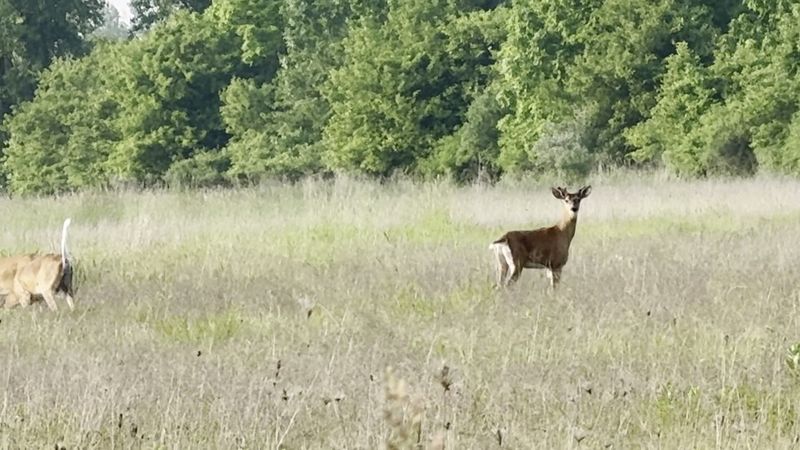
White-tailed deer are a common and charming sight throughout Shiawassee, and the animals here seem remarkably unbothered by human visitors. One reviewer described walking right up to a deer on the trail, watching it stand still and stare back curiously before slowly wandering off into the woods.
Seeing deer in a wild setting like this is a reminder of how peaceful nature can be when it is properly protected. The refuge provides ideal habitat with a mix of woodland, open fields, and wetland edges that deer love to browse through at dawn and dusk.
If spotting deer is high on your priority list, plan your visit for early morning or late afternoon when they are most active and visible. Moving quietly along the trails dramatically increases your chances of a close encounter.
Bring your camera, because these moments tend to be brief and absolutely worth capturing.
The Observation Decks With Views Worth Every Step
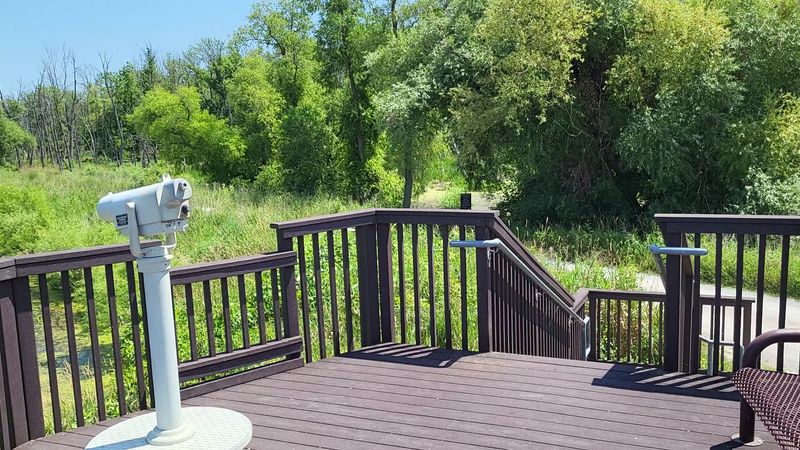
Scattered throughout the refuge are observation decks that give visitors elevated views over the sprawling wetlands below. These platforms are not just practical, they are genuinely beautiful spots to pause, breathe, and take in the scale of the landscape around you.
From up top, you can scan the marsh for herons, watch ducks dabble in the shallows, or catch a distant eagle riding a thermal. One reviewer described stepping out onto a deck during the auto tour and feeling completely overwhelmed by how much wildlife was visible in every direction.
The decks are accessible both from the driving route and from certain sections of the hiking trails, making them easy to reach no matter how you choose to explore. Binoculars are highly recommended for getting the most out of these vantage points.
Even a basic pair will transform what you see from a general landscape into a detailed, living world.
A Rare Chance to Experience Michigan’s Wetland Ecosystem Up Close
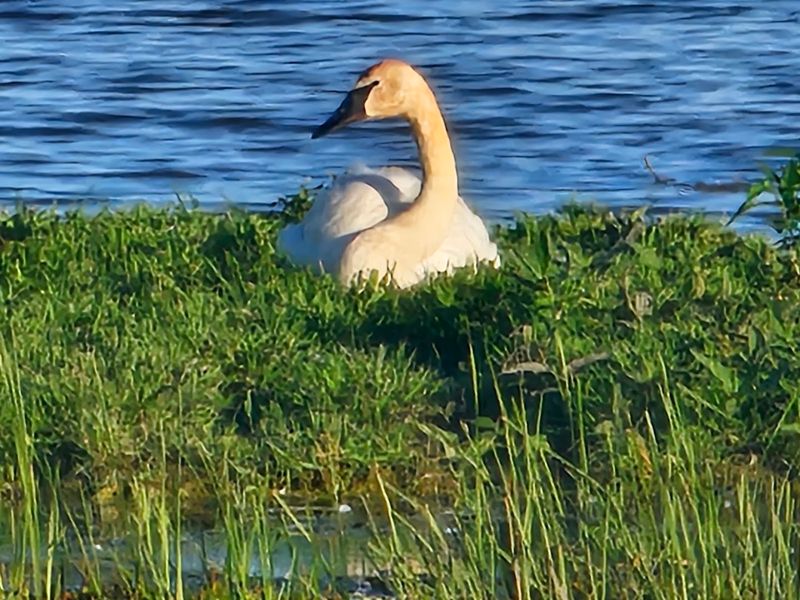
Wetlands are among the most productive ecosystems on the planet, and Shiawassee gives you a front-row seat to see why. The refuge protects thousands of acres of marsh, floodplain forest, and agricultural fields that together support an extraordinary range of plant and animal life.
Walking or driving through the refuge, you start to notice how everything is connected. The frogs feed the herons, the fish attract the eagles, and the tall marsh grasses shelter nesting birds from predators.
It is a living classroom that teaches ecological relationships better than any textbook could.
Shiawassee has been recognized as an important habitat reclamation success story, turning formerly degraded farmland back into thriving natural spaces. That backstory makes every bird you spot and every deer you see feel like a small victory worth celebrating.
Visiting here is not just enjoyable, it is genuinely inspiring to see what conservation can accomplish.
Practical Tips to Make the Most of Your Visit
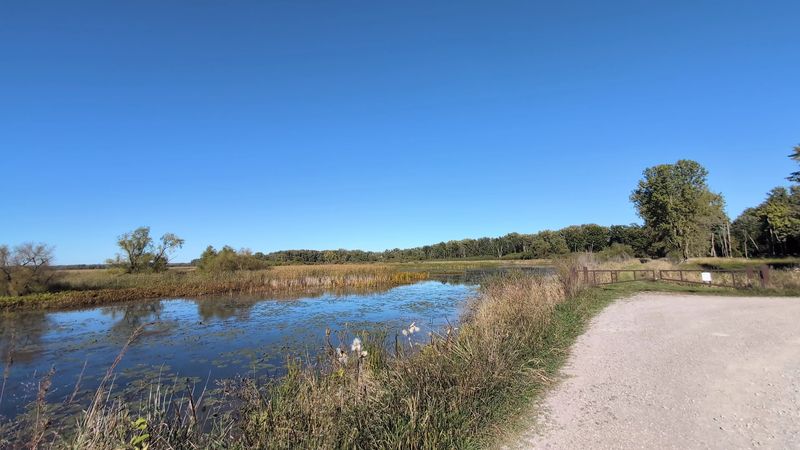
A little preparation goes a long way when visiting Shiawassee. The refuge is open Monday through Friday from 7:30 AM to 4 PM and is closed on weekends, so planning your trip during the week is essential.
The address is 6975 Mower Road, Saginaw, MI 48601, and you can reach them at 989-777-5930 for updated trail and tour conditions.
Bring plenty of water, especially in summer when the gravel roads and trails can get hot. Bug spray is absolutely non-negotiable from late spring through early fall, as flies and mosquitoes can be relentless near the marsh.
Reviewers have jokingly suggested bringing enough bug spray to share with strangers.
A pair of binoculars, a long camera lens, and a bird identification app will dramatically improve your experience. Arriving early in the morning gives you the best wildlife activity and the most comfortable temperatures.
Most importantly, slow down and enjoy every moment.
Enjoyed this story?
Add Fast Food Club as a preferred source to see more of our reporting on Google.