


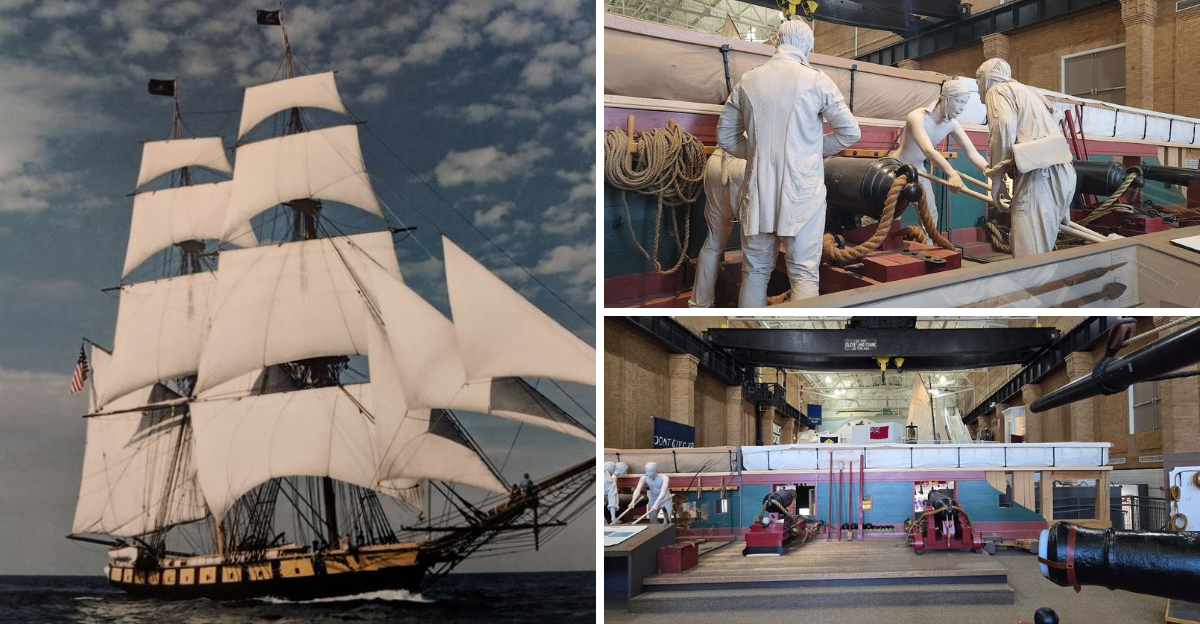
Sitting right on the shores of Lake Erie in Pennsylvania, the Erie Maritime Museum is one of the most exciting history stops in the entire region. It is home to the U.S.
Brig Niagara, a reconstructed warship that played a legendary role in the War of 1812. From hands-on exhibits to guided tours led by passionate volunteers, this museum brings American naval history to life in a way that feels personal and unforgettable.
Whether you are a history buff or just looking for a cool lakeside adventure, this place has something that will genuinely surprise you.
The U.S. Brig Niagara: A Warship With a Story to Tell
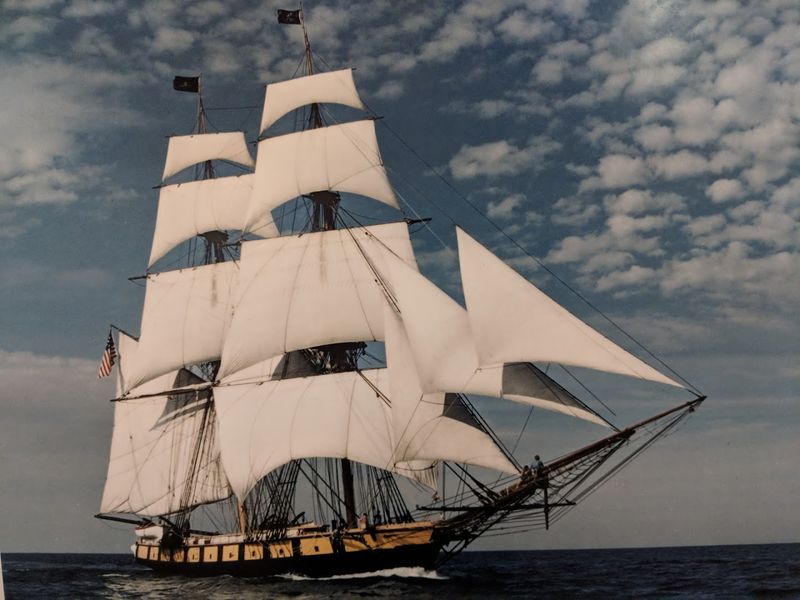
Few ships in American history carry as much drama as the U.S. Brig Niagara.
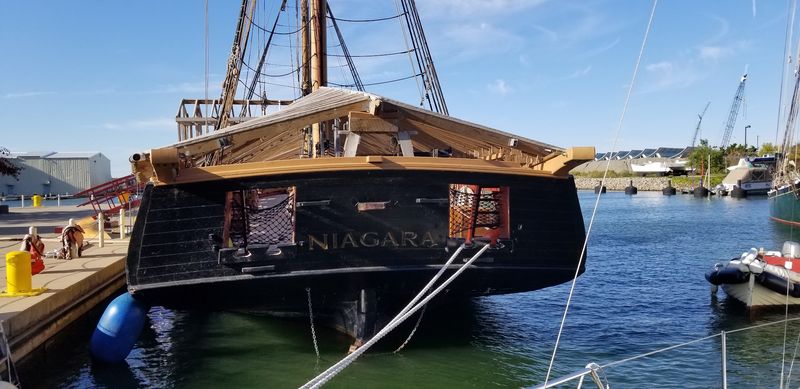
This two-masted wooden warship was Commodore Oliver Hazard Perry’s relief flagship during the Battle of Lake Erie in 1813, a clash that turned the tide of the War of 1812 in America’s favor.
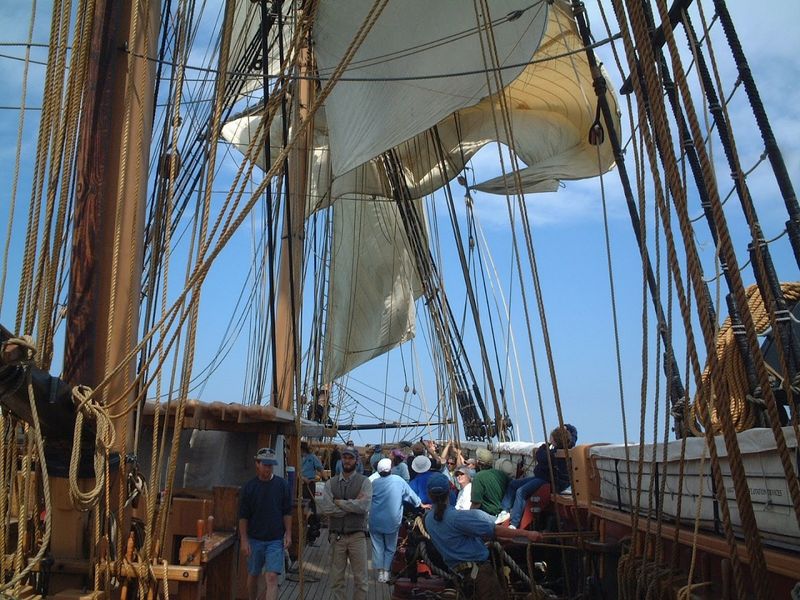
The current vessel is a faithful reconstruction built in 1988, and it is fully seaworthy. When it is not in shipyard for maintenance, the Niagara actually sails the Great Lakes, giving visitors a chance to experience life aboard a 19th-century warship.
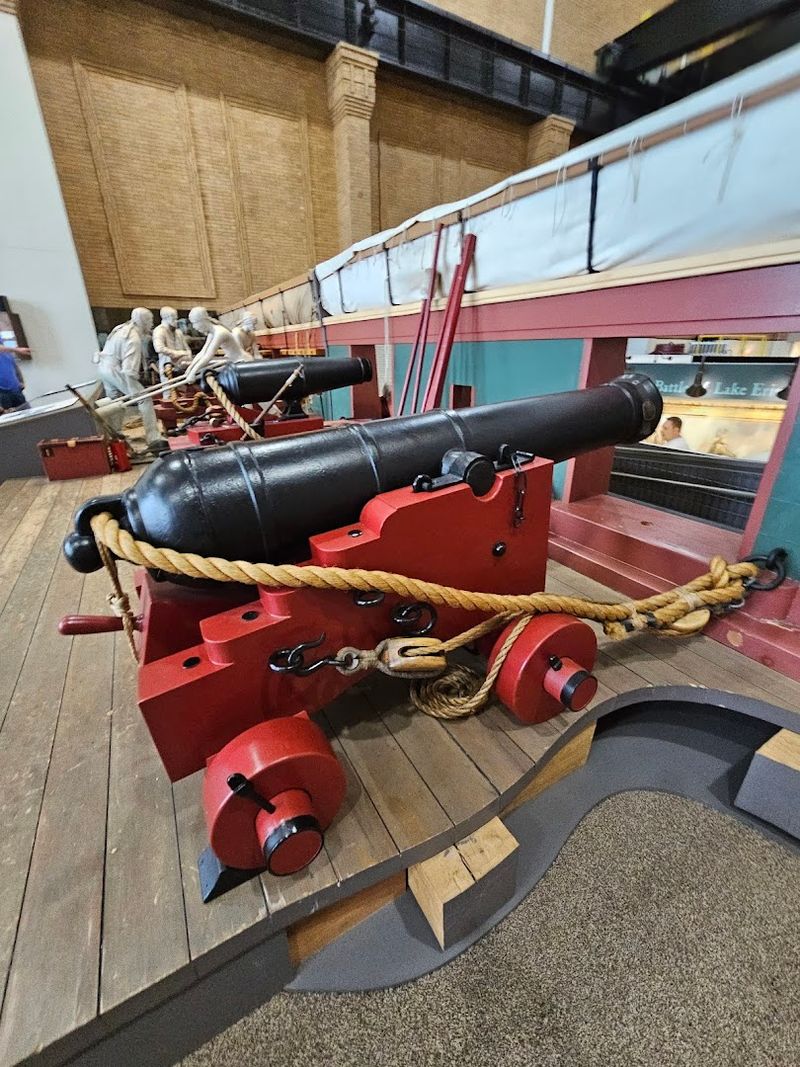
Standing beside this ship in person is genuinely jaw-dropping. The towering masts, the thick rigging, and the rows of cannons make it easy to imagine what sailors faced in battle.
Checking the museum’s schedule before your visit is smart, since the ship’s availability for tours and sailing changes seasonally.
War of 1812 Exhibits That Make History Click
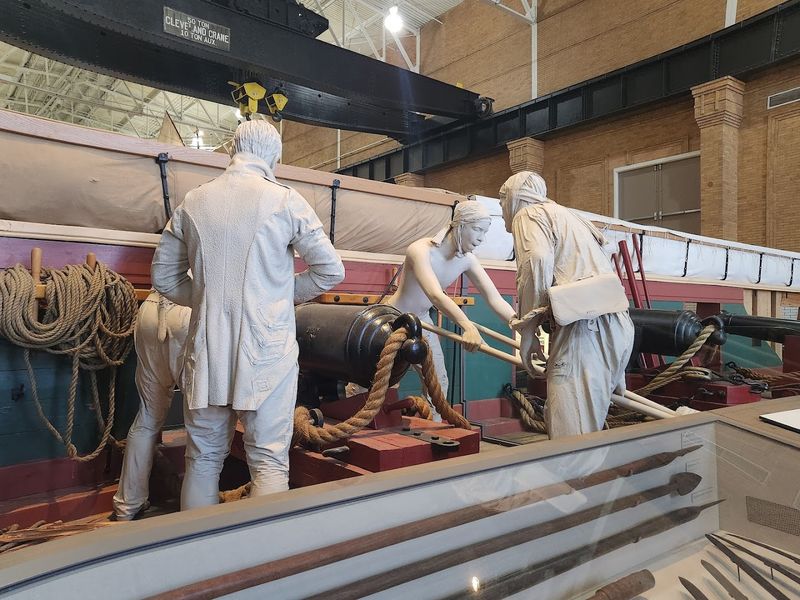
Most people walk into the Erie Maritime Museum knowing very little about the War of 1812, and they walk out genuinely fascinated. The exhibits here do an outstanding job of explaining why the Great Lakes were so strategically important during this often-overlooked conflict.
Visitors can explore detailed timelines, original artifacts, uniforms, and weapons from the era. One reviewer admitted they “did not know hardly anything about the naval battles” before visiting but left with a solid understanding of how the war unfolded on these freshwater seas.
The displays are organized in chronological order, making it easy to follow the story from beginning to end without getting lost. Maps, scale models, and vivid storytelling panels keep things engaging rather than overwhelming.
History teachers especially love bringing students here because the museum turns textbook facts into tangible, memorable experiences.
The Lawrence Replica: Cannonball Holes and All
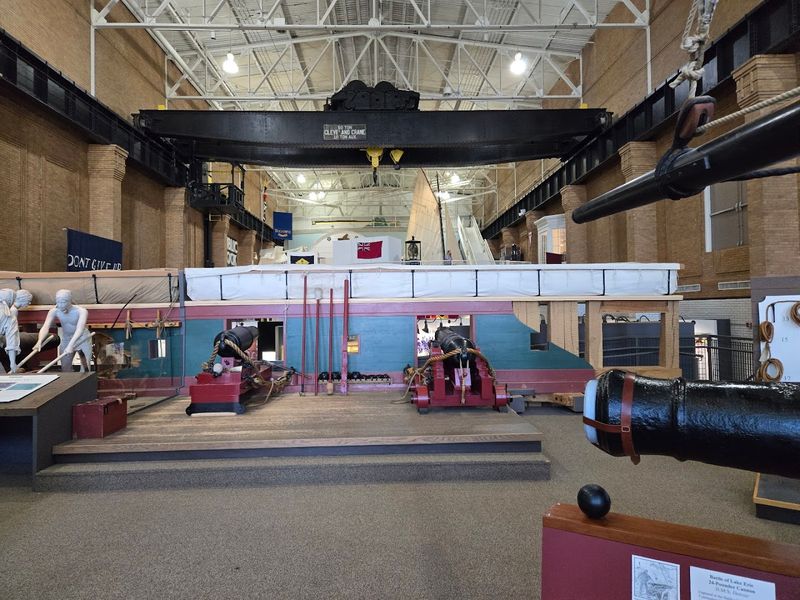
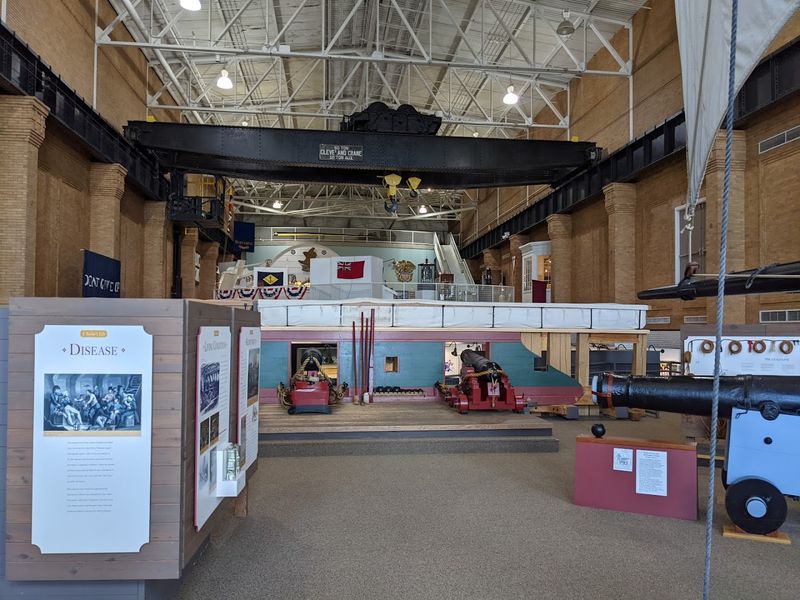
One of the most talked-about features inside the museum is a life-size replica of the Lawrence, Commodore Perry’s original flagship before the Niagara. What makes it so striking is that the replica actually shows real-looking cannon and bullet holes, giving visitors a visceral sense of how brutal naval combat truly was.
The Lawrence took devastating fire during the Battle of Lake Erie, forcing Perry to abandon ship and row through enemy gunfire to reach the Niagara. That dramatic moment is one of the most celebrated acts of courage in American naval history.
Seeing the replica up close makes the story hit differently than reading it in a book ever could. Kids especially tend to stop and stare, suddenly understanding why this battle mattered so much.
It is the kind of exhibit that stays with you long after you leave the building.
The Old Power Station Building: History Inside History
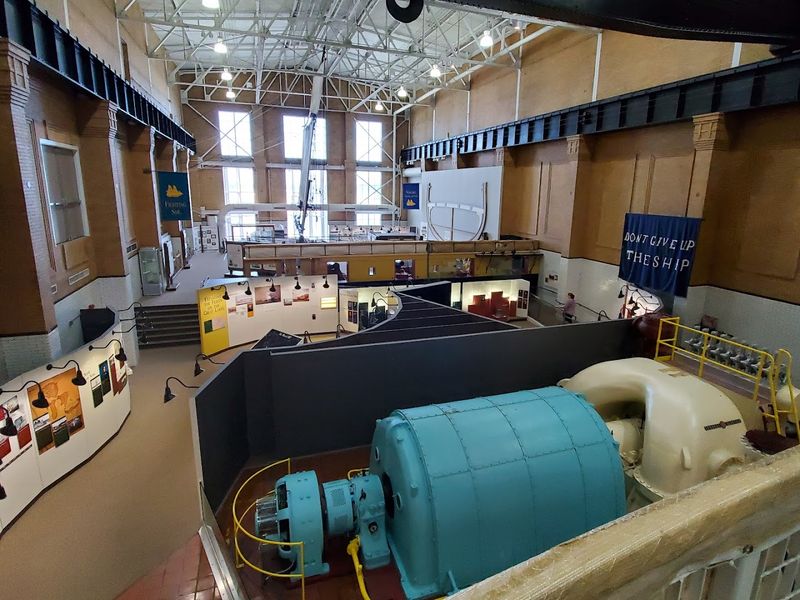
Here is something most visitors do not expect: the Erie Maritime Museum is housed inside a converted 19th-century electric power station. The building itself is part of the story, and the museum has preserved one of the original massive generators right on the floor for visitors to see up close.
That industrial relic sitting beside maritime artifacts creates a surprisingly cool visual contrast. It is a reminder that Erie was not just a military port but also a growing industrial city with its own fascinating history layered across different eras.
The high ceilings and open floor plan of the old power station give the museum a grand, spacious feeling that works perfectly for large exhibits and ship cross-sections. Several reviewers mentioned being genuinely impressed by the building itself, calling it a fitting and atmospheric home for such a rich collection of history.
Volunteer Docents Who Bring the Museum to Life
Ask any regular visitor what makes the Erie Maritime Museum truly special, and the answer almost always comes back to the volunteer docents. These knowledgeable guides are passionate, funny, and genuinely excited to share everything they know about Erie’s naval history.
Reviewers have praised guides by name, calling them “exceptionally knowledgeable,” “patient,” and even “a little funny” thanks to the occasional well-timed dad joke. One group was so impressed by their guide Ron that they wrote a glowing review specifically calling out his zero-rush, detail-rich tour style.
The docents do not just recite facts. They tell stories, answer questions, and adjust their approach depending on who they are talking to, whether that is a curious five-year-old or a retired naval officer.
Planning your visit during a guided tour session rather than going solo will make the experience significantly richer.
Interactive Exhibits for Hands-On Learners
Not every museum lets you touch things, but the Erie Maritime Museum leans into interactive learning in a way that keeps visitors of all ages engaged. Exhibits demonstrate how sailors determined water depth and ship speed using historic tools and techniques, turning abstract concepts into something you can actually feel and understand.
There are hands-on stations, videos at multiple display stops, and physical demonstrations that break up the traditional read-a-panel museum experience. Families with younger kids especially appreciate having things to do rather than just look at.
One reviewer noted that even someone who considers going to a museum “the last thing I will do for fun” ended up genuinely enjoying the interactive format here. That kind of feedback says a lot.
The museum manages to balance serious historical content with an approachable, engaging style that works for school groups, families, and solo history enthusiasts alike.
U.S. Coast Guard Art Program Collection on the Mezzanine
Tucked up on the mezzanine level of the museum is a standout exhibit that even some regular visitors have not fully explored yet. The Erie Maritime Museum currently displays 44 pieces on loan from the collection of the U.S.
Coast Guard Art Program, offering a rare public look at this remarkable body of work.
These paintings and photographs document the Coast Guard’s missions, rescues, and presence along American waterways in a way that feels both artistic and deeply human. One reviewer specifically called out this collection as “outstanding,” urging visitors not to miss it during their time in the museum.
The mezzanine also covers the transition from the U.S. Navy’s Great Lakes presence to the Coast Guard’s role in patrolling and protecting the border with Canada.
It is a chapter of American maritime history that does not get nearly enough attention, and the museum tells it beautifully.
The USS Michigan and Wolverine Story on the Second Floor
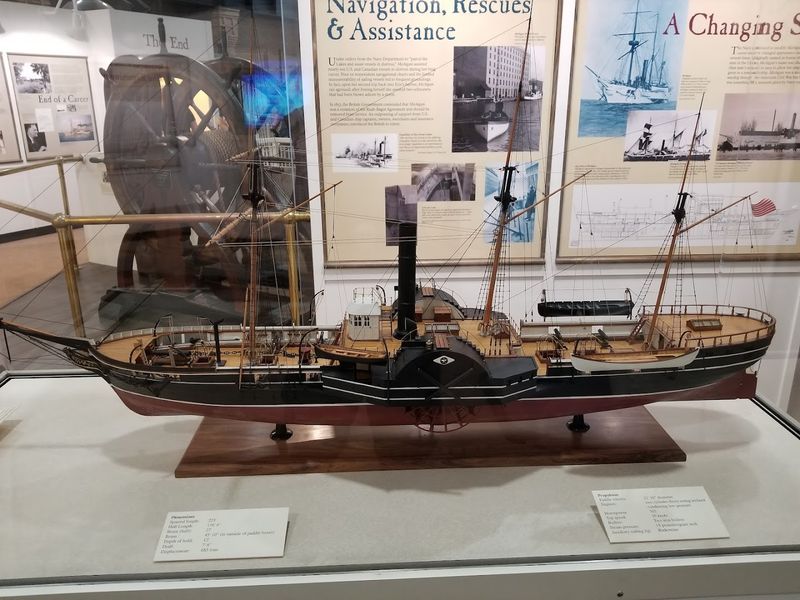
Many visitors wrap up their tour after the main floor and miss one of the most compelling stories in the building. The second floor of the Erie Maritime Museum features a detailed exhibit on the USS Michigan, later renamed the USS Wolverine, which holds the distinction of being the first iron-hulled warship in the U.S.
Navy.
This ship patrolled the Great Lakes for decades, serving as a symbol of American naval power during a turbulent period in the country’s history. The exhibit traces its remarkable career through artifacts, photographs, and detailed panels that give the vessel its rightful place in the American military story.
One reviewer who had not yet made it to the second floor received a personal recommendation from the museum itself to come back and finish the experience. That kind of enthusiasm from the staff reflects just how much is packed into every corner of this building.
A Giant Circa-1900 Ice Boat You Have to See to Believe
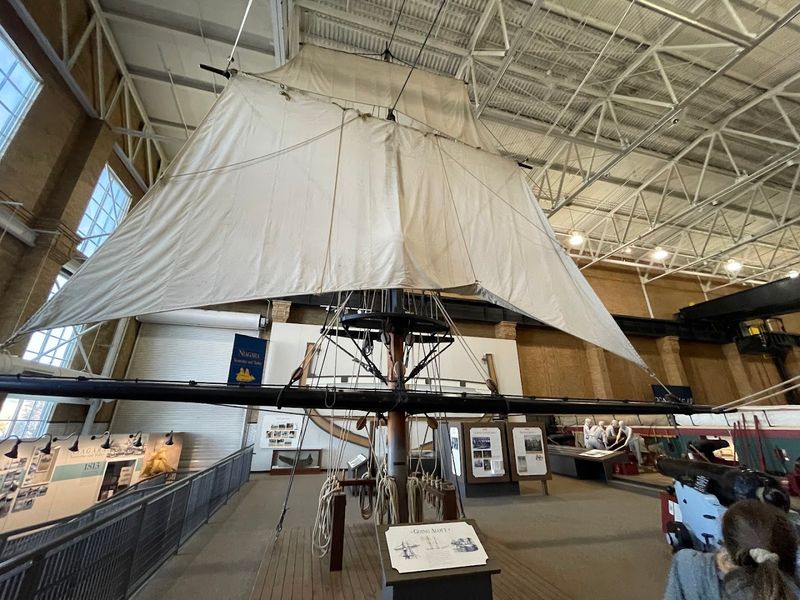
Not everything in the Erie Maritime Museum is about warfare and cannons. One of the more surprising and delightful displays on the second floor is a giant ice boat dating back to around 1900.
These wind-powered vessels were built to skim across frozen Lake Erie at remarkable speeds during the winter months.
Ice boating was once a serious sport and practical mode of winter transportation in the Great Lakes region, and this full-scale example gives visitors a sense of just how inventive and daring people were in that era. The sheer size of the thing tends to stop people in their tracks.
Seeing it alongside the naval and Coast Guard exhibits creates a fascinating picture of all the different ways humans have used Lake Erie over the centuries. It is a fun, unexpected highlight that adds real variety to what might otherwise feel like a purely military-focused museum experience.
Lakeside Location With Stunning Views of Lake Erie
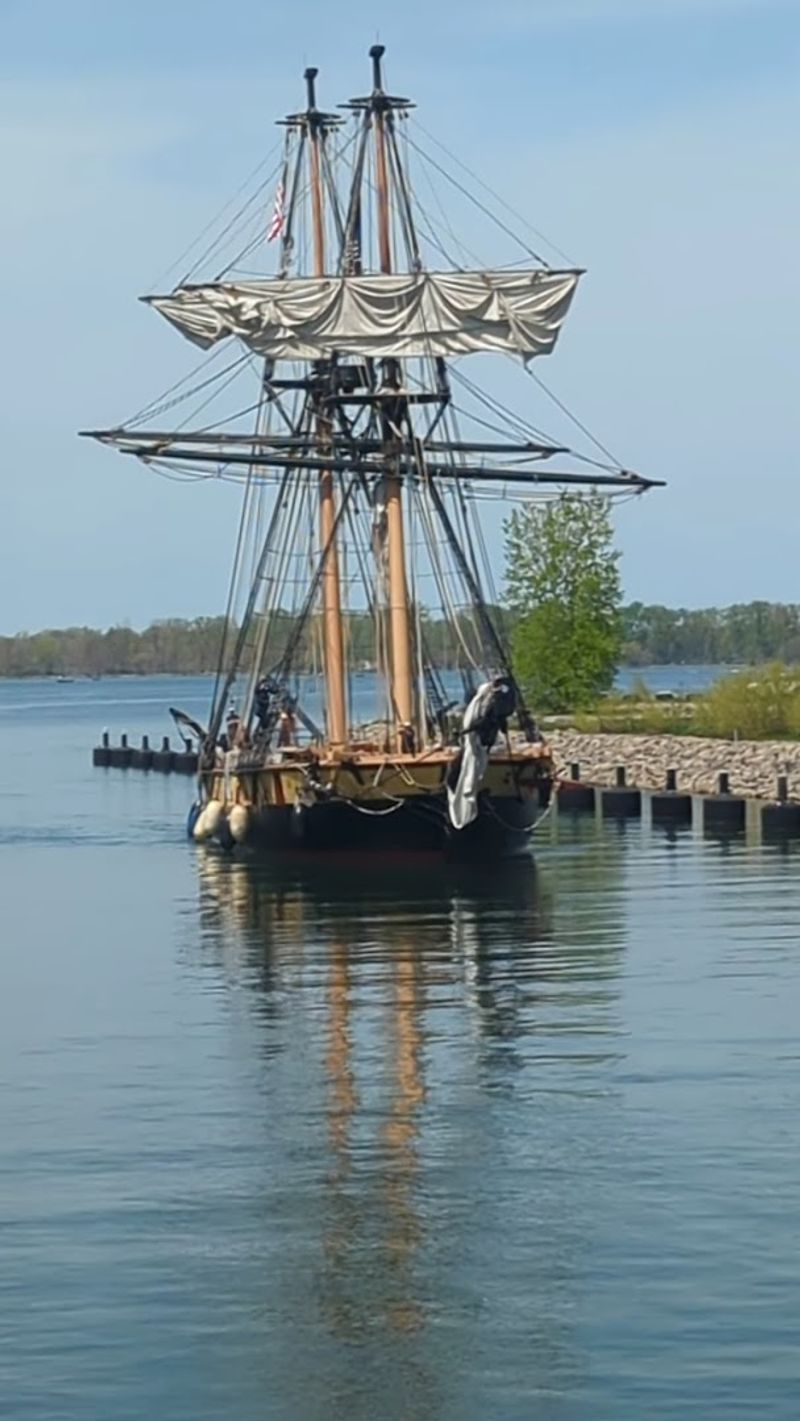
The location of the Erie Maritime Museum is not just convenient, it is genuinely scenic. Sitting right at the water’s edge along Erie’s downtown waterfront, the museum offers sweeping views of Lake Erie that remind you exactly why this place was so strategically important two centuries ago.
Walking around the outside of the building to look at the Niagara docked at the pier is an experience in itself. The combination of the historic ship, the open water, and the fresh lake breeze creates a mood that no indoor exhibit can fully replicate.
Visitors often linger outside after finishing the indoor exhibits, taking photos and simply soaking in the atmosphere. The museum is also conveniently located near other downtown Erie attractions, making it easy to build a full day around your visit.
Arriving early on a clear day gives you the best light for photos of the ship.
Sailing Voyages Aboard the Brig Niagara
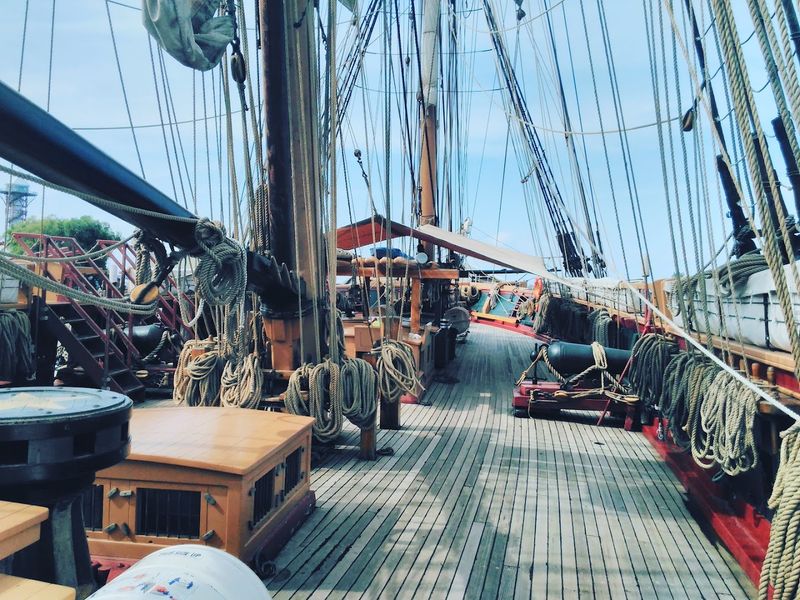
When the Niagara is not undergoing its periodic shipyard maintenance, the museum offers something truly extraordinary: the chance to actually sail on a fully operational 19th-century warship. Public sail programs allow passengers to experience life aboard the Brig Niagara while it moves under wind power across Lake Erie.
These sailing experiences are understandably popular and tend to book up quickly, so checking the museum’s website well in advance is strongly recommended. The ship is currently scheduled to return to sailing operations in Spring 2026 following complex repairs to maintain its seaworthiness.
Even when sailing is not available, visitors can often view the ship from the dock and appreciate its incredible craftsmanship up close. One reviewer who missed the sail said they were “happy to have picked a quiet Sunday” and still found the visit thoroughly worthwhile.
The ship alone is worth the trip to Erie.
Practical Visit Tips: Hours, Admission, and AAA Savings
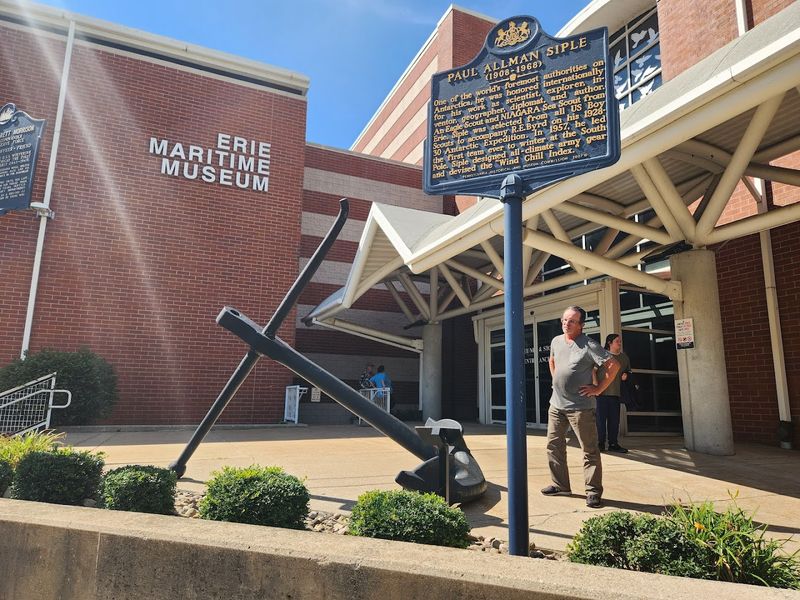
Planning ahead will make your visit to the Erie Maritime Museum noticeably smoother. The museum is open Wednesday through Saturday from 9:30 AM to 4:00 PM and on Sundays from noon to 4:00 PM.
It is closed on Mondays and Tuesdays, so timing your trip accordingly matters.
One handy tip that multiple visitors have shared: bring your AAA card. At least one reviewer saved six dollars on admission just by having their card ready at the door, which is a nice bonus especially for families trying to stretch their travel budget.
The museum is located at 150 E Front St in downtown Erie, and parking is available nearby. Calling ahead at 814-452-2744 or checking the official website at eriemaritimemuseum.org is a good idea if you want to confirm tour availability or ask about special events.
Visiting on a quieter weekday morning tends to give you more personal time with the exhibits and guides.
Why Families, Students, and History Lovers All Leave Impressed
With a rating of 4.7 stars across hundreds of reviews, the Erie Maritime Museum has clearly earned its reputation as one of Erie’s top attractions. What stands out most in the feedback is how consistently the museum connects with visitors who did not expect to enjoy themselves quite so much.
Parents report that their kids became genuinely interested in Great Lakes history after a single visit. Students come in for school trips and leave asking questions their teachers did not anticipate.
One mother edited her original review two years later just to share that her five-year-old still has a museum poster on his bedroom wall.
That kind of lasting impression is rare. The combination of passionate volunteers, thoughtfully designed exhibits, a legendary ship, and a stunning lakeside setting makes this museum more than just a rainy-day activity.
It is a place that changes how people think about American history.
Enjoyed this story?
Add Fast Food Club as a preferred source to see more of our reporting on Google.