


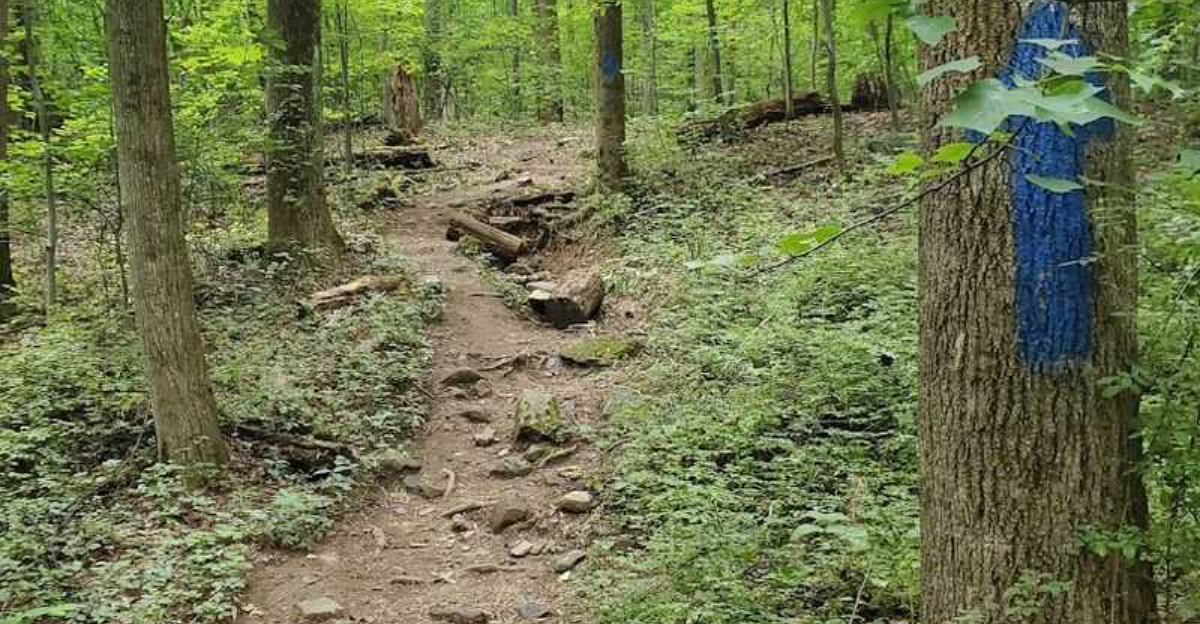
Nestled along the Appalachian Trail near Kempton, Pennsylvania, Pulpit Rock is one of the state’s most breathtaking natural landmarks. Perched high above the Blue Mountain ridge, this stunning vista point offers sweeping panoramic views that stretch for miles on a clear day.
Whether you are a seasoned hiker or just looking for an adventure, Pulpit Rock delivers an unforgettable experience that feels worlds away from everyday life. Pack your boots, grab some water, and get ready to discover why this hidden gem keeps drawing visitors back again and again.
The Jaw-Dropping Summit Views That Make Every Step Worth It
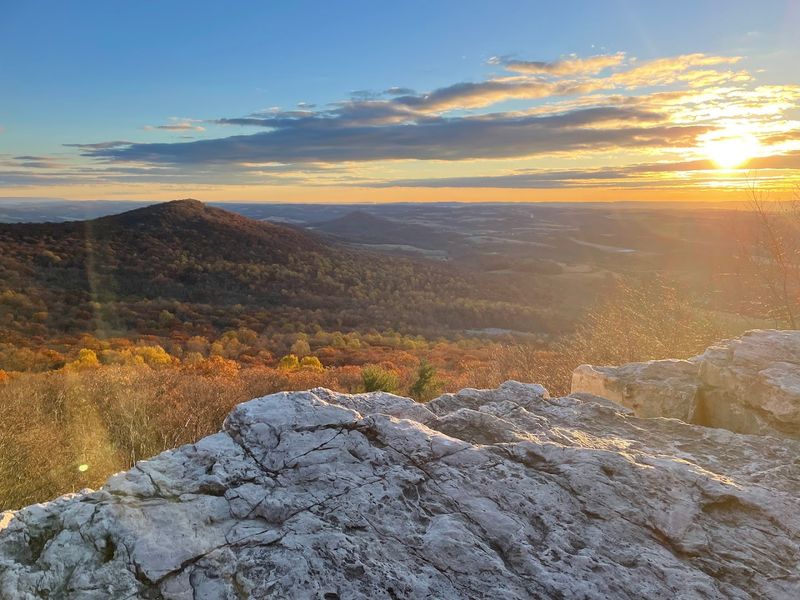
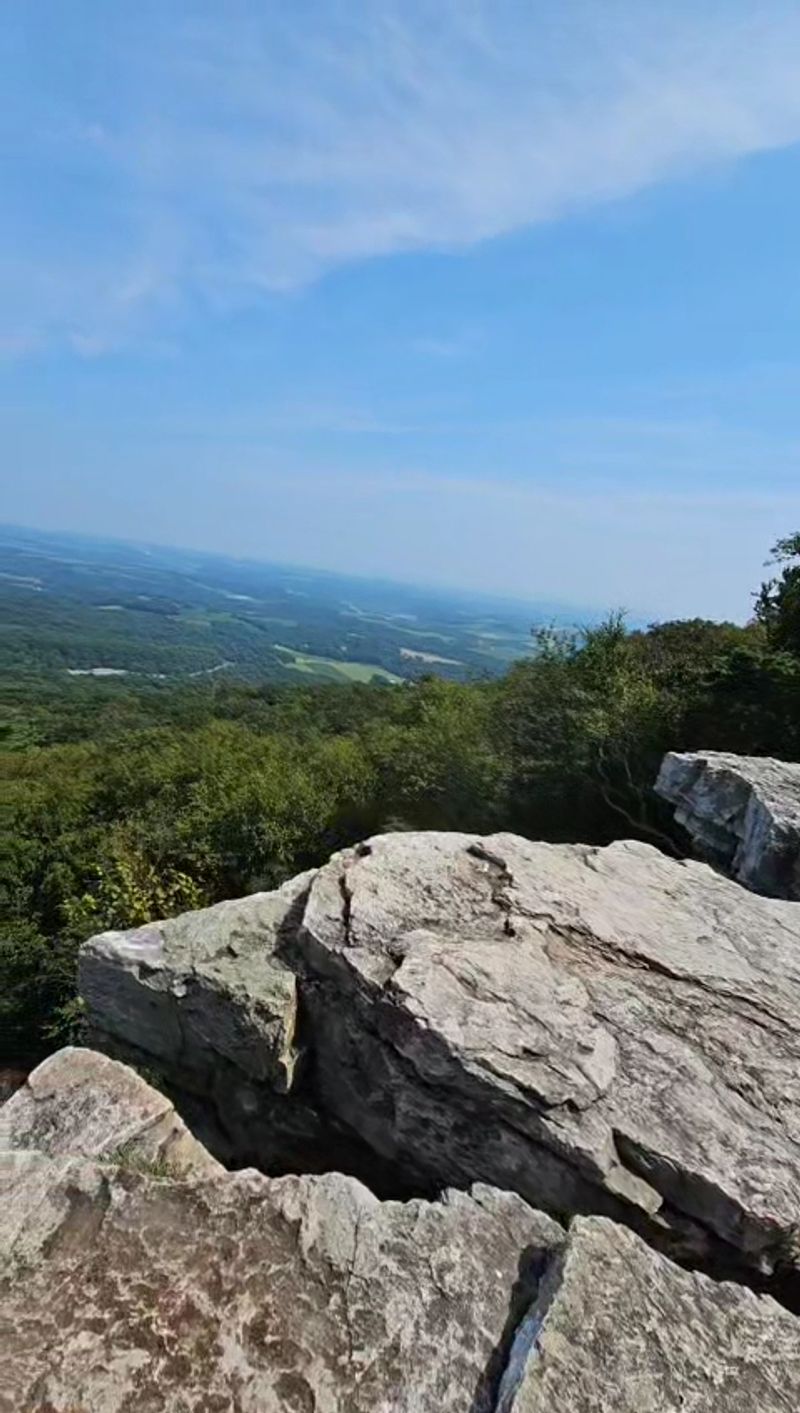
Standing at the top of Pulpit Rock feels like the whole world just opened up beneath your feet. On a clear day, the views stretch endlessly across Pennsylvania’s Blue Mountain ridges, valleys, and farmland far below.
Visitors consistently say photos simply cannot capture how incredible it looks in person.
The overlook sits at an impressive elevation, giving hikers a true bird’s-eye perspective of the surrounding landscape. Hawks and other raptors are frequently spotted soaring at eye level right beside the rocky ledge, which is a genuinely magical sight.
Sunrise visits are especially popular because the early morning light paints the ridgeline in golden and pink tones. Getting there before 7 AM on weekends means fewer crowds and a more peaceful experience.
Many hikers say this single view alone makes Pulpit Rock one of Pennsylvania’s most rewarding outdoor destinations.
Rock Scrambling Adventures Along the Boulder-Covered Trail
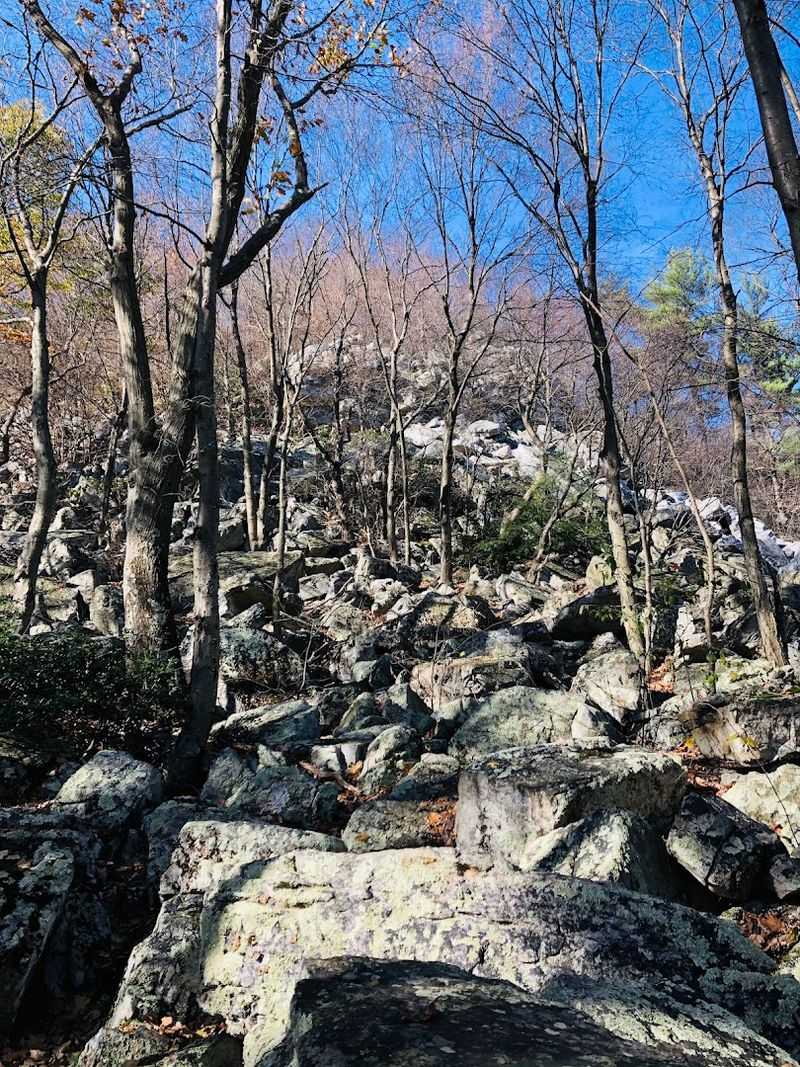
Few things get the heart pumping quite like navigating the giant boulders scattered across the upper section of the Pulpit Rock trail. As you climb higher, the smooth path gives way to massive rocks that require hands and feet working together to conquer.
It feels less like hiking and more like a real-life obstacle course.
The boulder scrambling section surprises many first-time visitors who expected a straightforward walk to the top. Solid hiking boots with ankle support are strongly recommended here because loose rocks can shift unexpectedly underfoot.
Always check your hand and foot placements carefully before committing, especially in crevices where rattlesnakes and copperheads sometimes rest. Despite sounding intimidating, most visitors with average fitness handle the scramble just fine.
Kids as young as five have been spotted completing it alongside their parents, proving that the challenge is absolutely manageable with a little patience and caution.
Wildlife Encounters That Will Leave You Speechless

Pulpit Rock is not just about views — it is a living, breathing wildlife corridor that never fails to surprise visitors. Hikers have reported spotting rattlesnakes, copperheads, otters near the creek, and hawks soaring overhead all in a single outing.
The biodiversity here is genuinely remarkable for a day hike so close to populated areas.
Snake sightings are most common during early morning or late afternoon hours when they bask on warm rocks. Always look before placing your hands or feet into rock crevices, and give any snake you spot plenty of space to move away on its own.
The hawk-watching experience at the summit overlook is a special bonus that birdwatchers absolutely love. Watching a red-tailed hawk glide silently past at eye level while standing on the rocky ledge is the kind of moment that stays with you long after the hike is over.
Fall Foliage Season Transforms This Trail Into Pure Magic
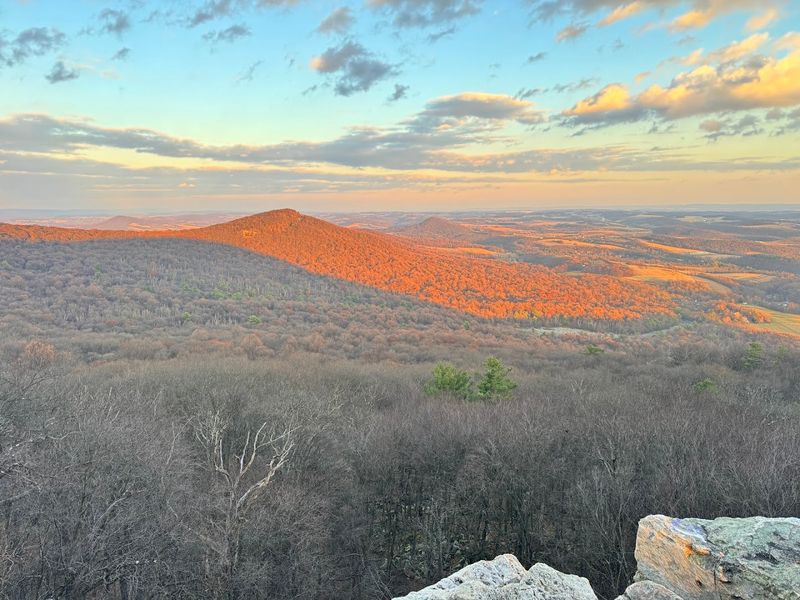
When October arrives at Pulpit Rock, the entire mountain transforms into a canvas of fiery reds, brilliant oranges, and warm golden yellows. Standing at the overlook during peak fall color season is an experience that locals and visitors plan months in advance.
The view during this time of year is, without question, one of Pennsylvania’s finest autumn spectacles.
Long-time visitors note that the color change typically peaks in mid-to-late October, though the exact timing shifts slightly each year depending on temperatures. Arriving early on fall weekends is essential because parking fills up fast and the trail gets crowded quickly.
Even the hike up through the forest becomes spectacular during foliage season, with colorful leaves crunching underfoot and sunlight filtering through the canopy above. Bringing a camera or simply soaking in the scenery without a screen is equally rewarding.
Either way, fall at Pulpit Rock is unforgettable.
The Pulpit-Pinnacle Loop: A Legendary Seven-Mile Challenge
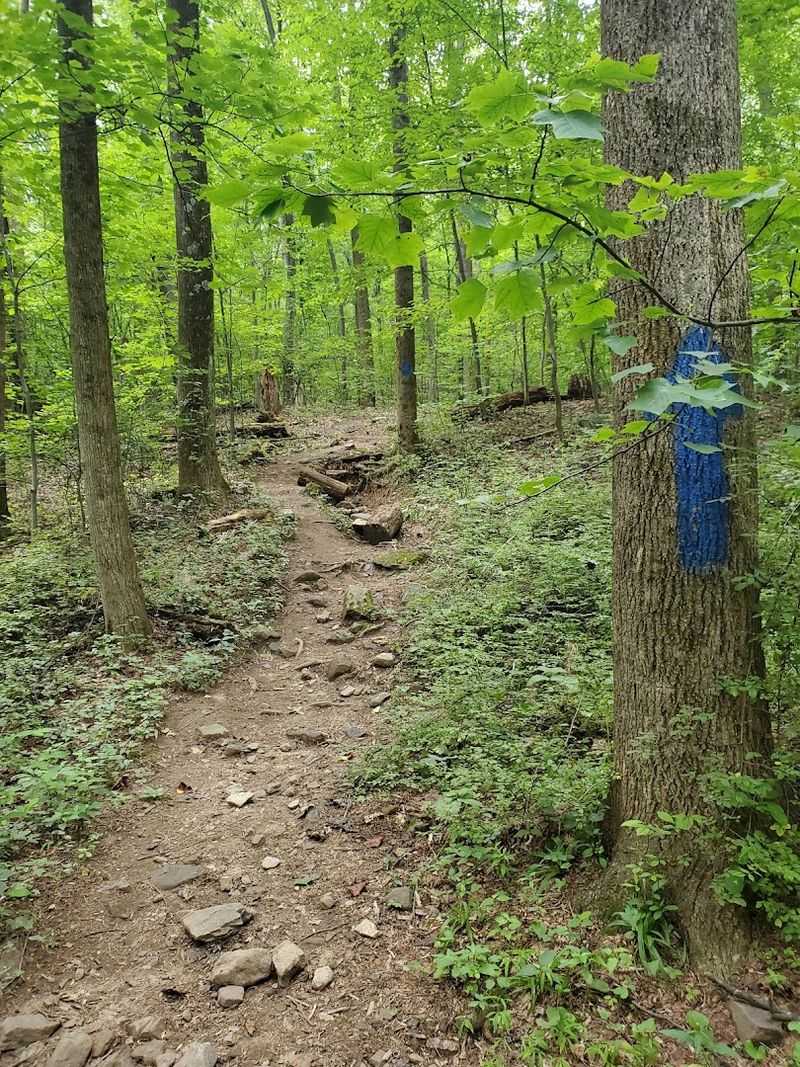
Combining Pulpit Rock and the Pinnacle into one continuous loop is the gold standard experience for hikers visiting this area. The full loop covers roughly seven to eight miles with over 1,000 feet of elevation gain, earning it a solid moderate difficulty rating from experienced hikers.
Plan for three and a half to five hours depending on your pace and how many stops you make.
Trail blazes are clearly marked throughout the route, making navigation straightforward even for those who are not experienced with backcountry navigation. The loop connects the white-blazed Appalachian Trail with the blue-blazed side trails, offering a satisfying variety of terrain.
Completing the full loop rewards hikers with two incredible summit views instead of just one, essentially doubling the payoff for the effort invested. Groups of friends who tackle it together often describe it as one of their favorite shared outdoor memories in Pennsylvania.
Bring plenty of snacks because the trail has no food vendors.
Sunrise Hikes That Reward the Early Risers
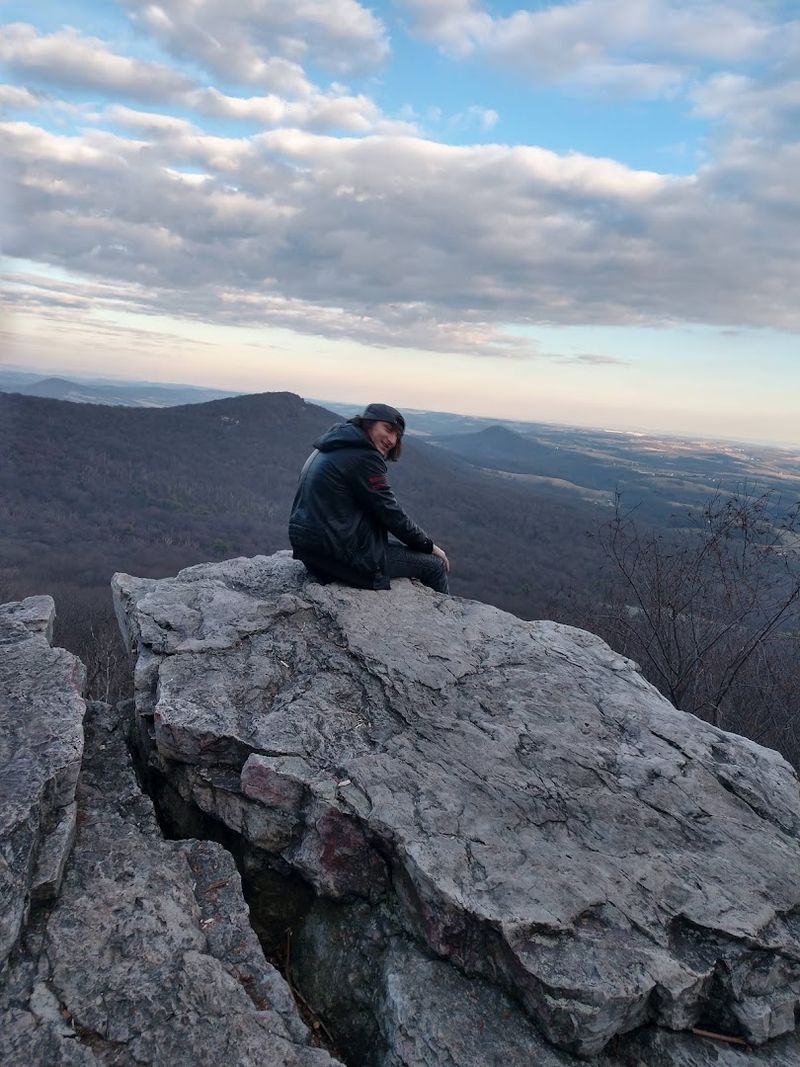
There is something almost spiritual about reaching the top of Pulpit Rock just as the sun begins to climb above the horizon. Several hikers have started as early as 5:15 AM to catch the full sunrise experience, and the effort is consistently described as completely worth it.
Even on cloudy mornings, the soft diffused light creates an atmospheric mood that feels uniquely peaceful.
Arriving before sunrise also means beating the weekend crowds that can make the trail feel busy by 9 AM. The trail is accessible starting at 6 AM daily, giving early birds just enough time to reach the summit before the golden hour peaks.
Headlamps are useful for the lower sections of the trail before daylight fully arrives. Dressing in layers is smart since temperatures at the ridge can be noticeably cooler than in the parking lot below.
The reward of watching the world wake up from that rocky ledge is priceless.
Parking Tips and Trail Access: What You Need to Know Before You Go
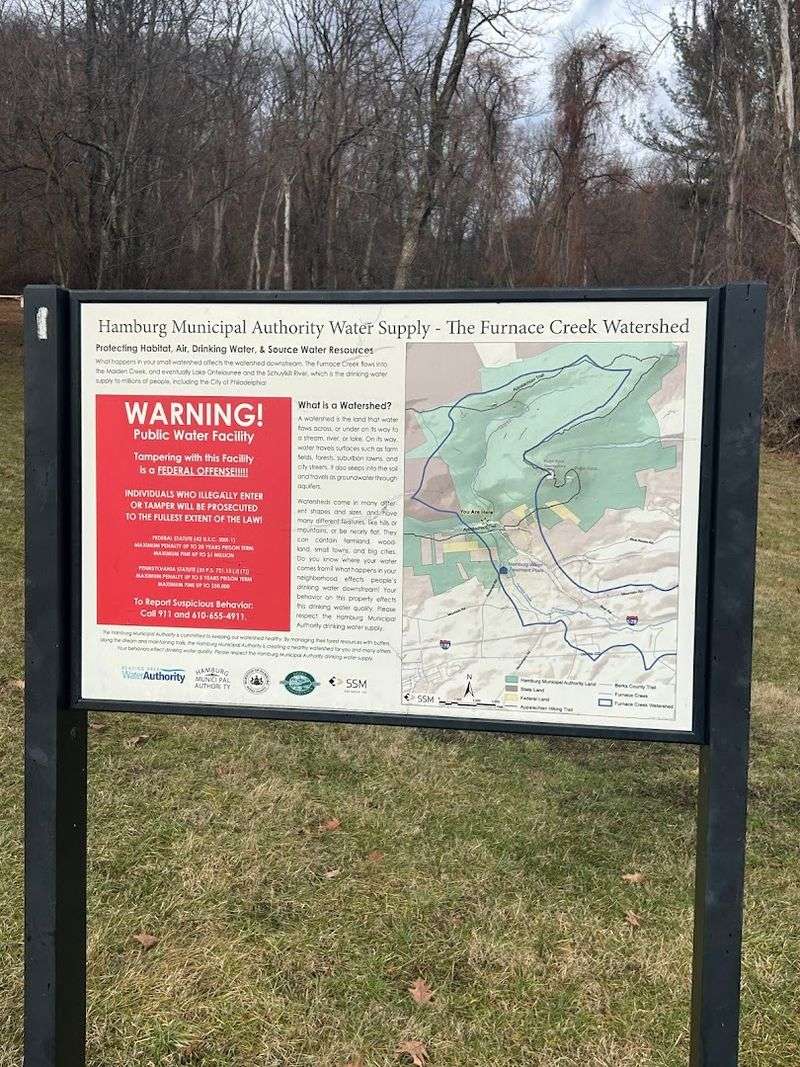
Parking at Pulpit Rock is one of the most talked-about logistical challenges for visitors, and planning ahead makes a significant difference. The two main access points — Reservoir Road in Hamburg and the Blue Rocks area — both have limited parking that fills up fast on spring and fall weekends.
Arriving before 8 AM on busy days is the most reliable strategy.
Neither parking area offers restrooms, running water, or food vendors, so self-sufficiency is essential before leaving home. Pack enough water for the full hike, apply sunscreen before you arrive, and bring snacks to keep your energy up on the trail.
The Reservoir Road trailhead at 400 Reservoir Road in Hamburg is the most commonly recommended starting point for the white-blazed Appalachian Trail route to the summit. GPS can be unreliable in this rural area, so downloading an offline trail map before leaving is a genuinely helpful precaution.
The Lehigh Valley Astronomers Observatory: A Hidden Gem at the Summit
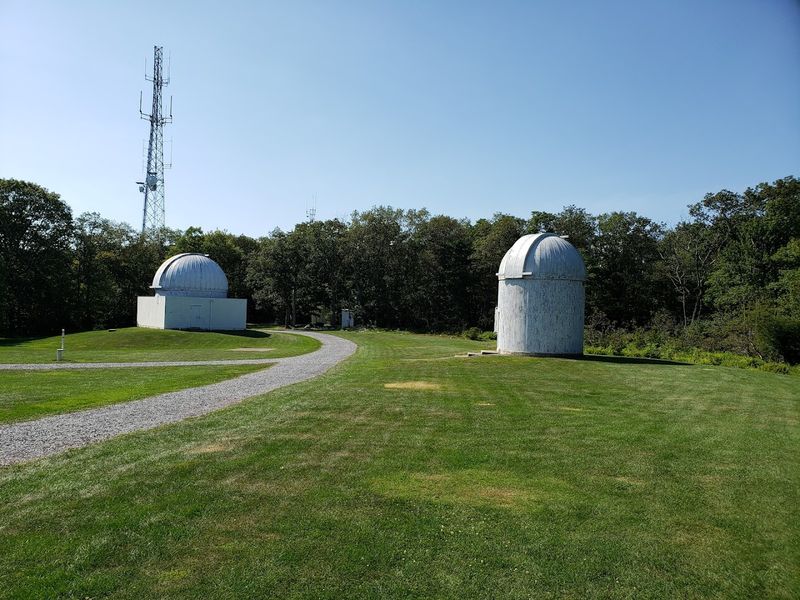
Right next to the Pulpit Rock overlook sits a fascinating surprise that most visitors do not expect: an observatory operated by the Lehigh Valley Amateur Astronomical Society. The dome-shaped structure looks almost otherworldly perched up on the ridge, and it adds a genuinely quirky charm to the summit experience.
While the observatory is typically not open during regular hiking hours, the society hosts public stargazing events on select clear nights throughout the year. Visiting on one of those evenings combines a scenic hike with an astronomy experience that is hard to match anywhere else in the region.
The access road that runs past the observatory also serves as an alternate descent route for hikers returning from the summit. Fair warning though — the paved road is extremely steep the entire way down, so most hikers prefer descending via the trail instead.
The observatory alone makes this summit feel extra special compared to ordinary overlooks.
Creekside Sounds and Scenic Beauty Along the Lower Trail
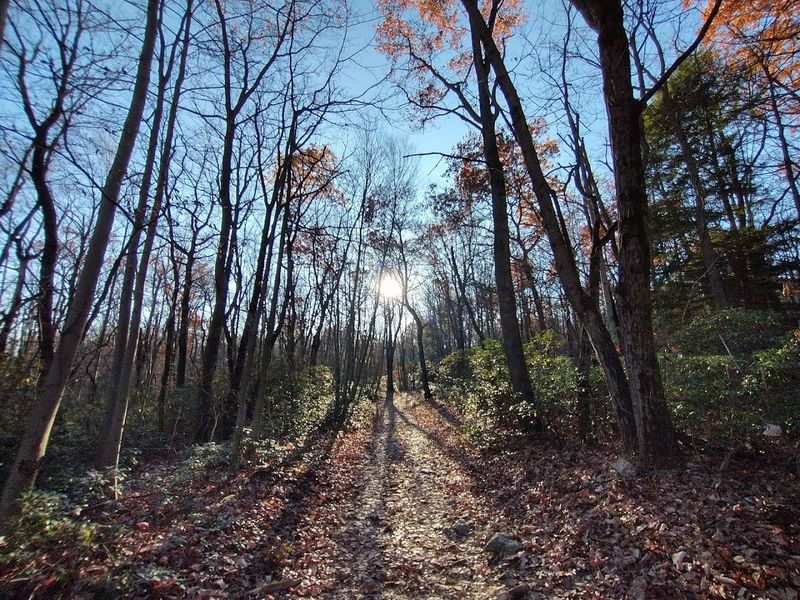
Before the trail steepens and the boulders begin, the lower section of the Pulpit Rock hike treats visitors to a completely different kind of beauty. A peaceful creek runs alongside parts of the trail, filling the forest with the soothing sound of rushing water.
After a rainy stretch, the creek swells and roars in a way that feels genuinely dramatic.
One reviewer described hearing the water crashing after heavy rain as one of the most memorable parts of the whole experience. The contrast between the quiet, shaded forest creek and the wide-open summit views makes the hike feel like two completely different adventures stitched together.
Wildlife is active near the water, and patient observers have spotted otters, birds, and various woodland creatures along this section. Taking a few minutes to sit by the creek before or after the climb adds a calming, restorative element to what is already a rewarding outdoor day.
Trail Difficulty Breakdown: Is Pulpit Rock Right for You?
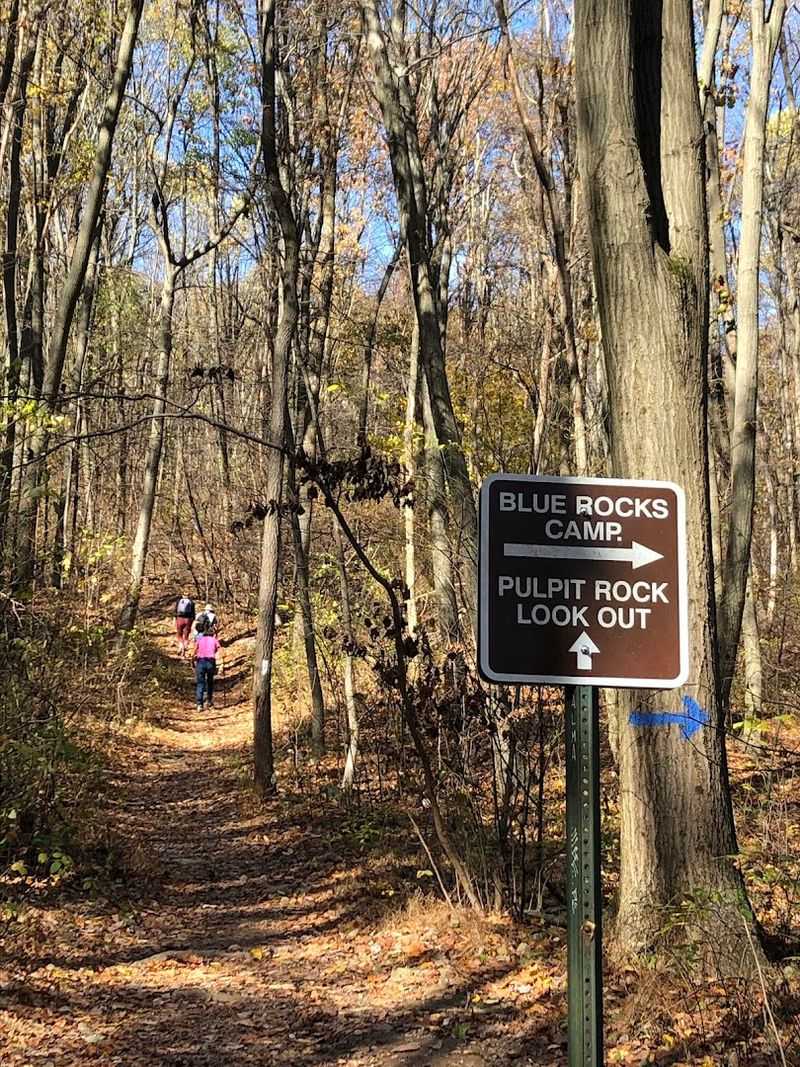
Pulpit Rock sits comfortably in the moderate difficulty category, which means it is accessible to a wide range of fitness levels without being a casual stroll. The full Pulpit-Pinnacle loop gains over 1,000 feet of elevation across seven to eight miles, which experienced hikers rate around a five out of ten.
Shorter out-and-back routes to just Pulpit Rock trim the distance and effort significantly.
Families with young children have successfully completed portions of the trail, with kids as young as five reaching the summit with parental help on the rocky sections. Older adults using trekking poles have also been spotted making steady progress up the mountain at a comfortable pace.
The steepest and most technical section is the boulder scramble near the top, which requires careful footing and a bit of upper body effort. Anyone with serious knee problems should approach the descent with extra caution since loose rocks on the downhill sections can be slippery and unpredictable.
Essential Gear Checklist for a Safe and Enjoyable Hike
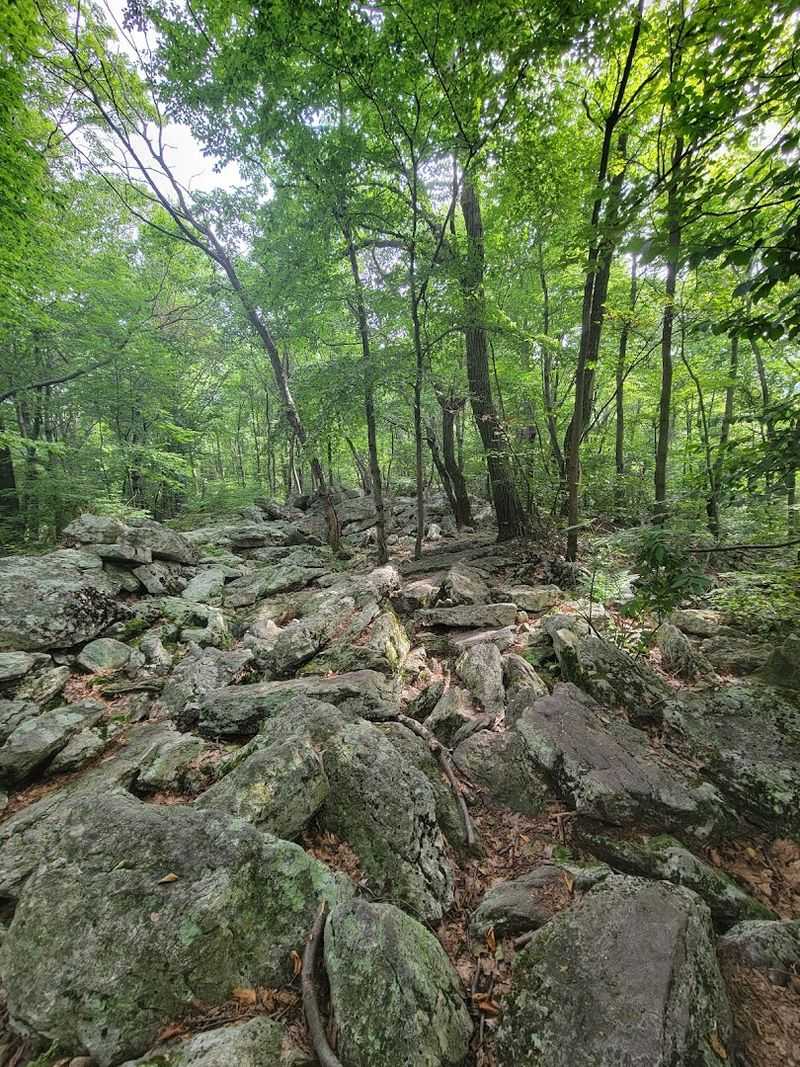
Showing up at Pulpit Rock unprepared is one of the most common mistakes that hikers make, and it can turn a fun day into a frustrating one fast. Real hiking boots with ankle support and grippy soles are non-negotiable on this trail, especially during the boulder scramble section near the top.
Lightweight sneakers and fashion athletic shoes simply do not cut it on rocky mountain terrain.
Carry at least two liters of water per person since there are no water sources or vendors anywhere on the trail. High-energy snacks like trail mix, granola bars, and fruit help maintain stamina over a three-to-five-hour outing without weighing your pack down unnecessarily.
Sunscreen matters more than most people expect since the exposed summit offers zero shade. A small first aid kit, a fully charged phone with an offline trail map, and an extra layer for the breezy ridgeline round out a solid gear setup for a safe, enjoyable adventure.
Best Seasons to Visit and What Each One Offers
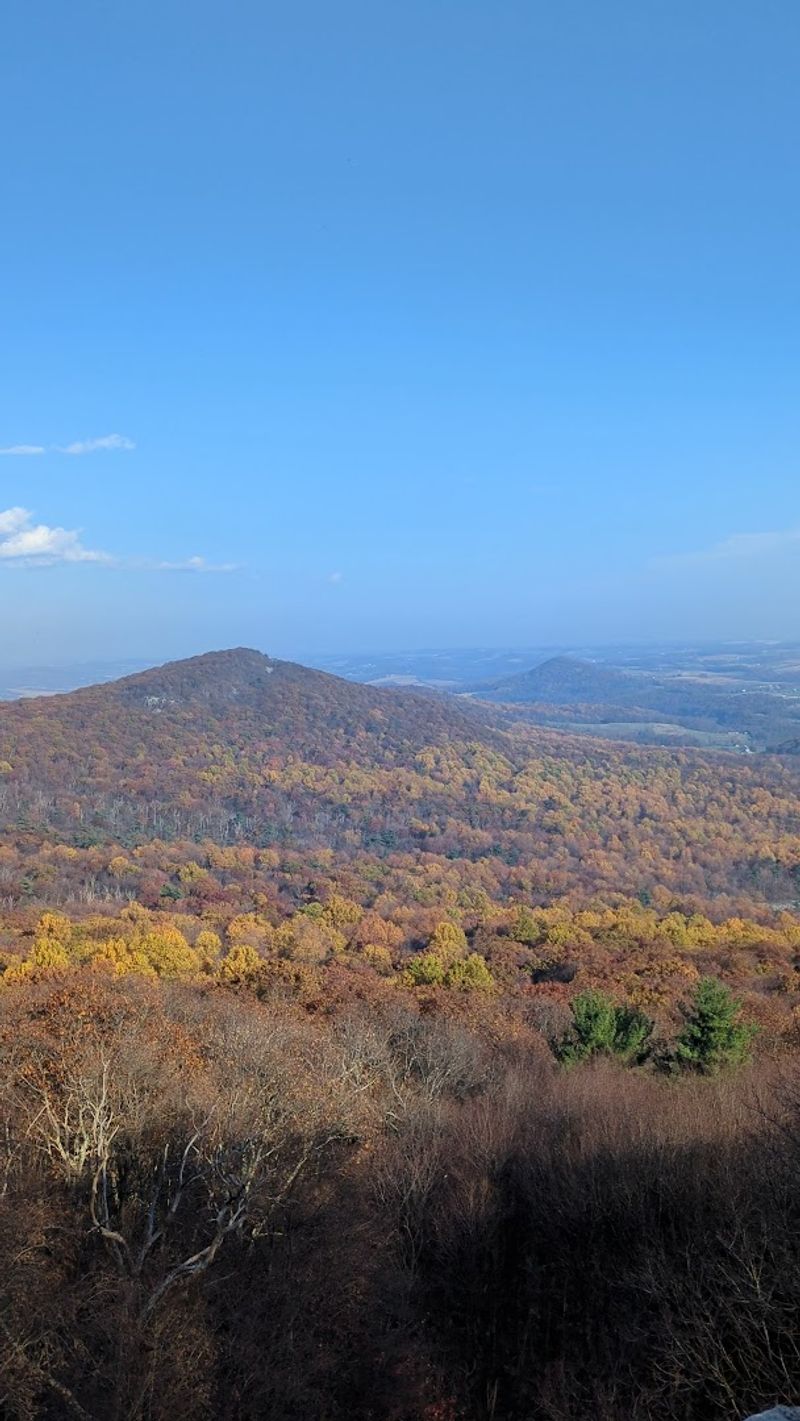
Every season at Pulpit Rock delivers a completely different experience, and choosing the right time to visit depends entirely on what you are looking for. Spring brings fresh green growth, active wildlife, and flowing creeks swollen with snowmelt, making it one of the most vibrant times to hike.
Fall is arguably the most popular season due to the spectacular leaf color that peaks in mid-to-late October.
Summer visits offer lush canopy cover on the lower trail sections, though the exposed summit can feel hot and sunny without shade. Starting early in the morning during summer months keeps temperatures manageable and increases the chance of spotting wildlife before the heat of the day sets in.
Winter hikes are less common but genuinely beautiful when snow dusts the boulders and ridgeline. Ice and frozen rocks make winter visits more technical and potentially dangerous, so microspikes or traction devices on boots are highly recommended for anyone attempting the trail in cold, icy conditions.
Why Pulpit Rock Keeps Calling Hikers Back Time and Time Again
With a near-perfect 4.9-star rating from nearly 600 reviews, Pulpit Rock has clearly earned a devoted following among Pennsylvania hikers. People return year after year not just for the views but for the whole experience — the creek sounds, the wildlife, the boulder scramble, and that electric feeling of reaching the top.
There is a reason so many reviewers say it is one of their favorite hikes in the entire state.
The combination of accessible trail options, jaw-dropping scenery, and genuine physical challenge hits a sweet spot that is hard to replicate elsewhere. Whether visiting solo, with a partner, or bringing a group of friends, the trail scales naturally to different needs and energy levels.
Long-time visitors talk about Pulpit Rock the way people talk about a favorite hometown restaurant — familiar, reliable, and somehow better every single time. If Pennsylvania has a hidden gem worth putting on your bucket list, this rocky ridgeline summit is absolutely it.
Enjoyed this story?
Add Fast Food Club as a preferred source to see more of our reporting on Google.