


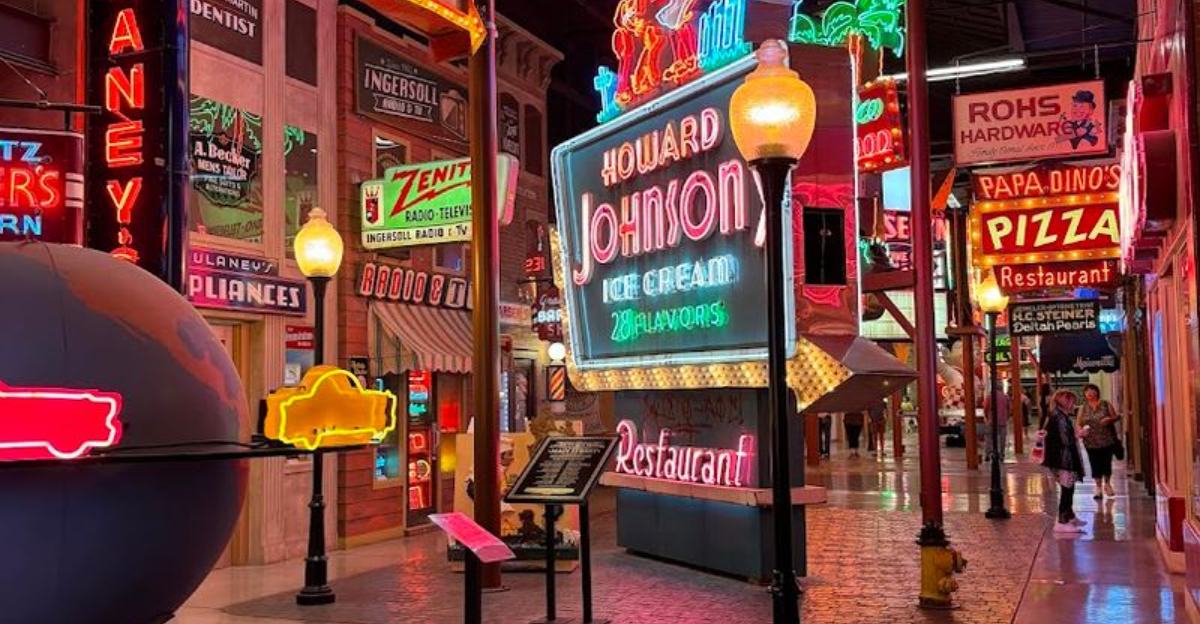
Tucked inside a sprawling former factory in Cincinnati, Ohio, the American Sign Museum is unlike any other museum you have ever visited. Founded in 2005, it preserves over a century of American signage history, from hand-painted wooden boards to dazzling neon masterpieces.
With a 4.8-star rating from thousands of happy visitors, this hidden gem on Monmouth Avenue proves that everyday objects can tell extraordinary stories. Whether you are a history lover, a photography enthusiast, or simply curious, this museum is absolutely worth the trip.
The Iconic Main Street Walk-Through
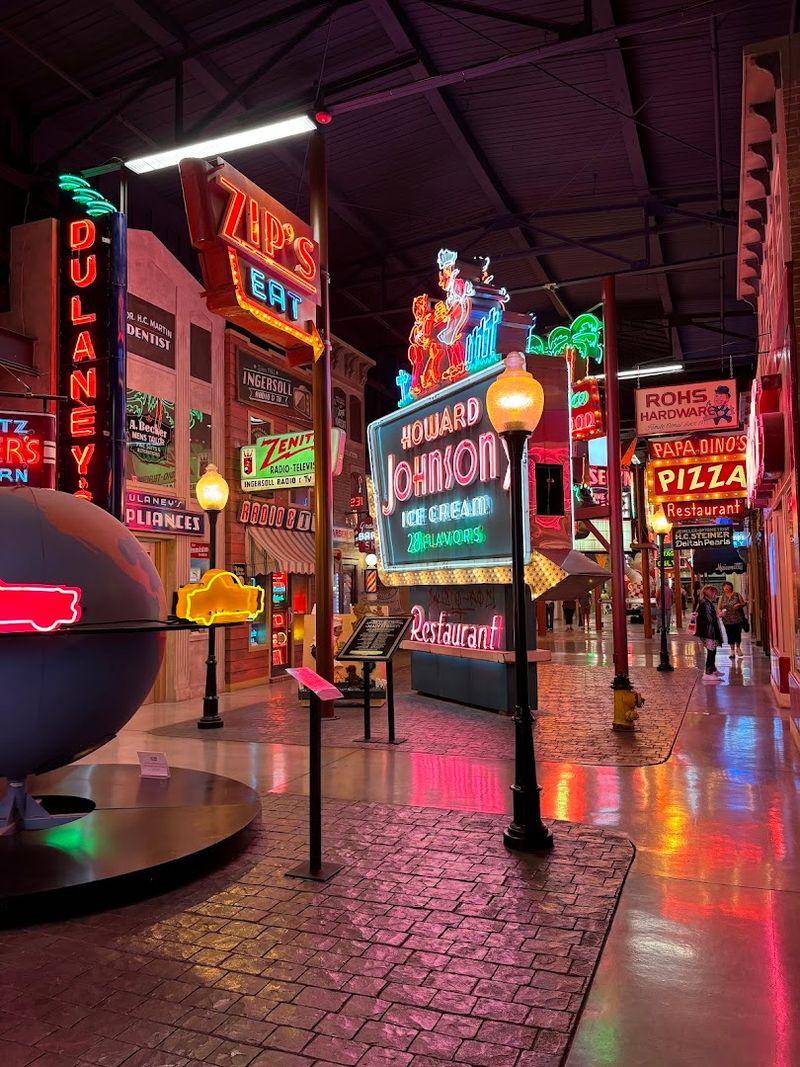
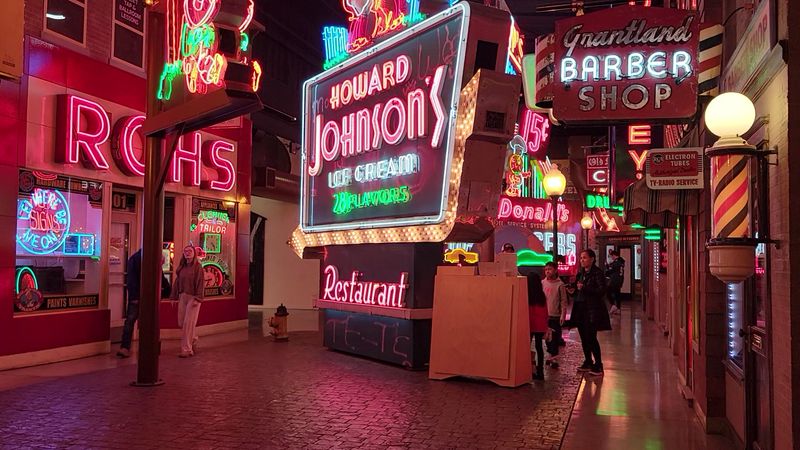
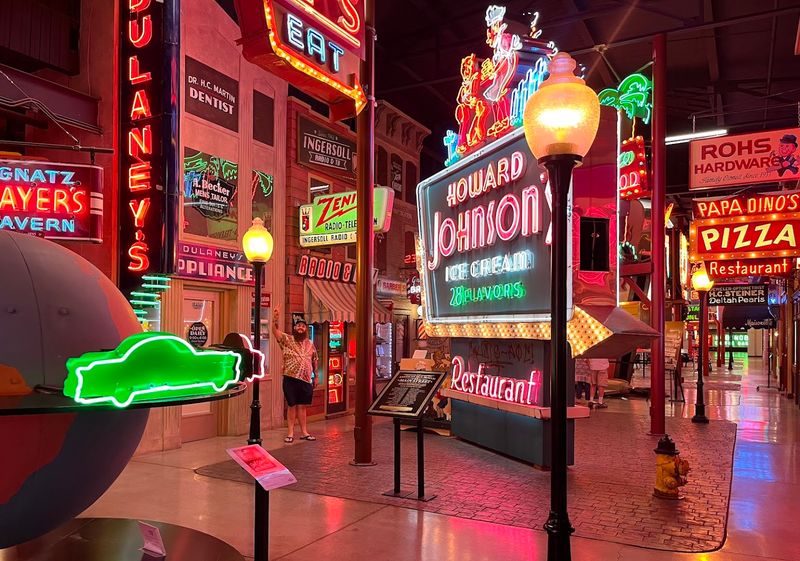
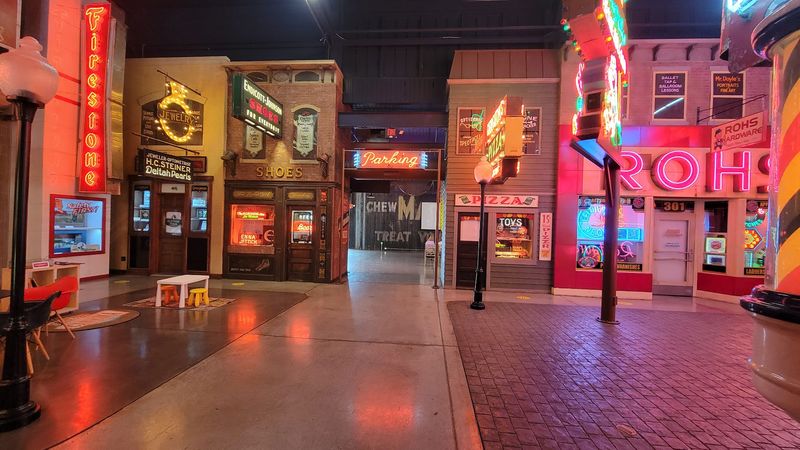
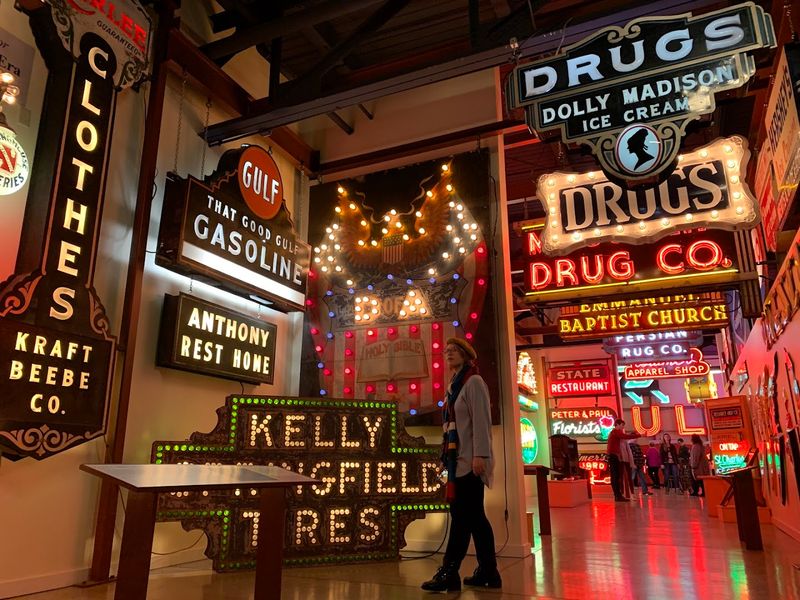
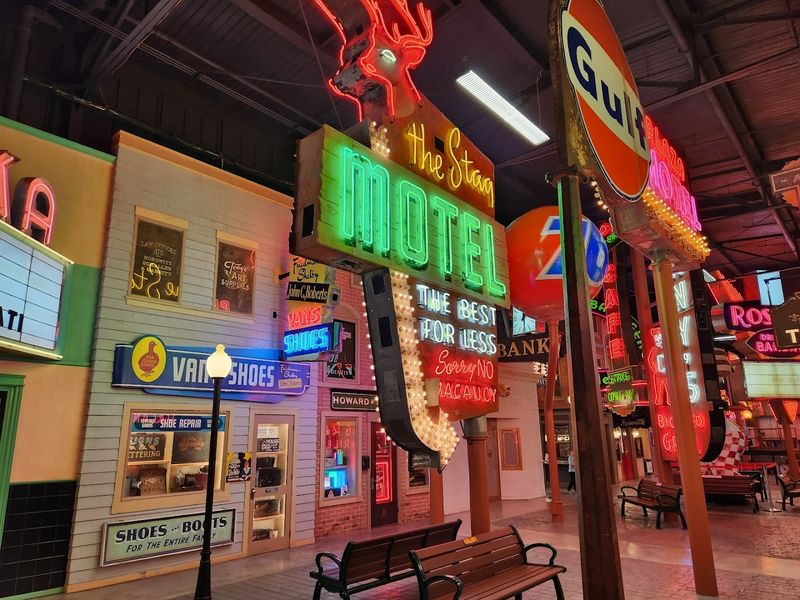
Stepping onto the museum’s recreated Main Street feels like being teleported straight into a 1950s movie set. Glowing storefronts line both sides of the path, each one packed with hand-painted signs, buzzing neon tubes, and carefully restored facades that look almost too real to believe.
Visitors consistently call this section their personal favorite, and it is easy to understand why. The craftsmanship on display is jaw-dropping, from delicate gold-leaf lettering to bold electric marquees that hum softly as you walk past.
Bring your camera, because every corner offers a stunning photo opportunity. The warm, vintage lighting creates a magical atmosphere that feels both nostalgic and genuinely alive, making it one of the most immersive indoor experiences Cincinnati has to offer.
A Living Neon Workshop Right On-Site
Somewhere in the back of the museum, a craftsman is carefully bending glowing glass tubes into shapes that will eventually light up someone’s world. The on-site neon workshop is one of the most talked-about features at the American Sign Museum, and watching it in action is genuinely mesmerizing.
On Saturdays, the museum hosts live neon tube bending demonstrations that draw crowds of all ages. Seeing the technical precision required to shape molten glass into letters and symbols gives visitors a whole new appreciation for those colorful signs they pass every day without a second thought.
Several reviewers specifically mentioned the neon demo as a highlight of their visit. It is the kind of hands-on history lesson that sticks with you long after you have left the building, reminding you that real artistry hides behind even the most commercial of objects.
Vintage McDonald’s Sign That Turns Back the Clock
Few things spark a wave of nostalgia quite like spotting an old McDonald’s sign from a time when the golden arches were still a roadside novelty. The American Sign Museum houses one of these iconic early signs, and visitors young and old stop in their tracks when they see it.
Multiple reviewers specifically mentioned this piece as a standout, and it is not hard to see why. It represents a pivotal moment in American commercial culture, when fast food chains began using bold, recognizable signage to capture the attention of passing motorists on newly built highways.
Standing in front of it, you can almost picture the drive-in culture of mid-century America. Signs like this one are more than advertisements; they are cultural artifacts that reflect the ambitions and tastes of an entire generation.
The museum treats them with exactly that level of respect.
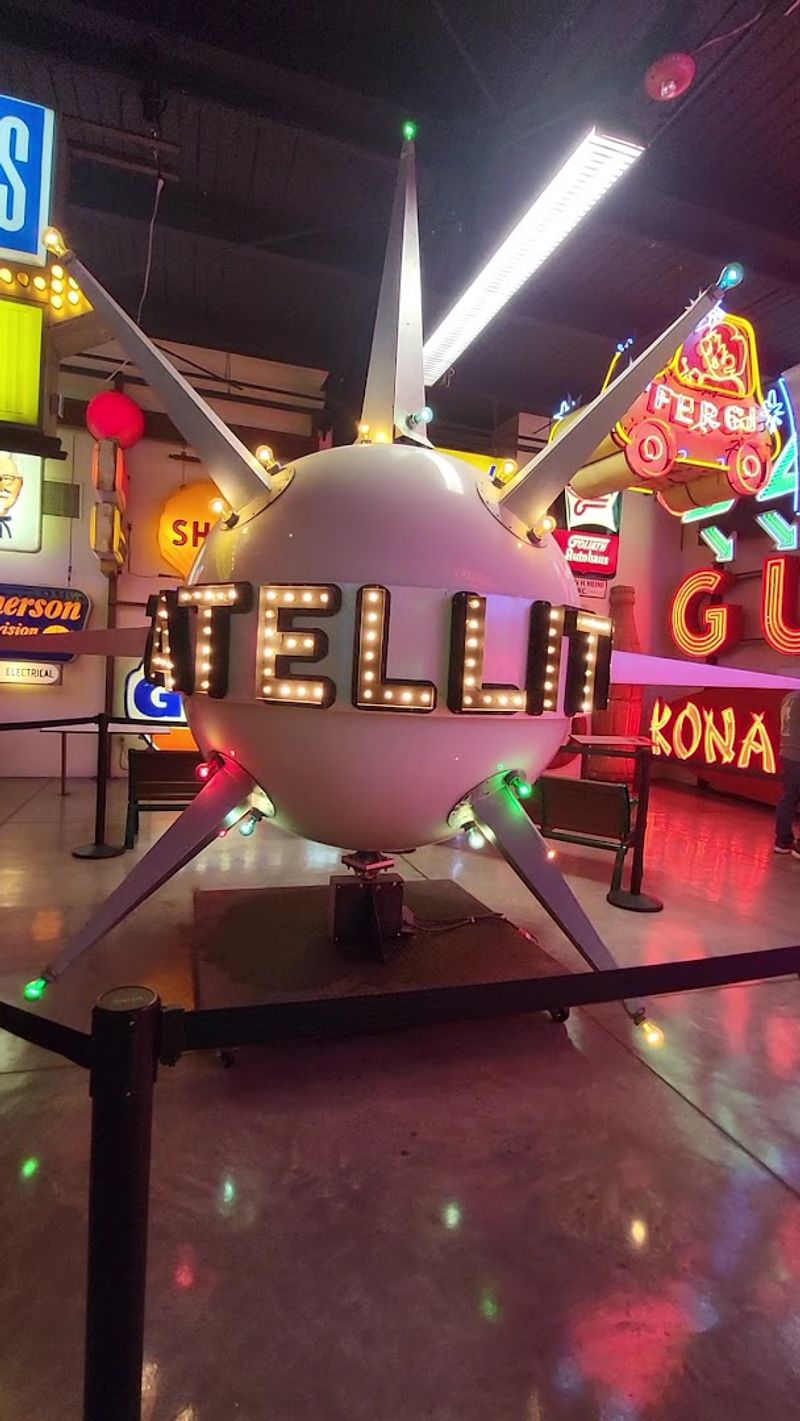
The Massive Satellite Shopland Sign
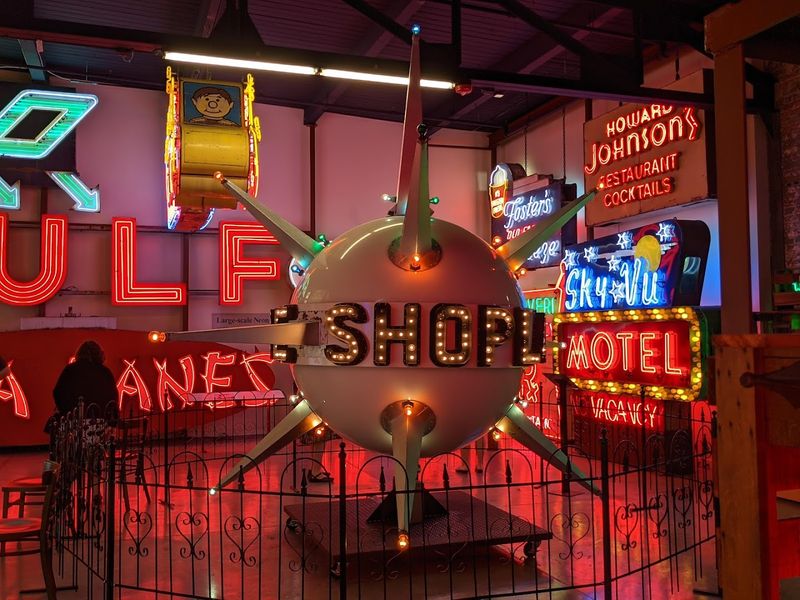
Size matters when it comes to roadside signage, and the Satellite Shopland sign is proof of that philosophy taken to its grandest extreme. This enormous piece commands attention the moment you spot it inside the museum, its sheer scale making you wonder how anyone ever transported it through a doorway.
Signs like this one were designed to be seen from a distance, pulling drivers off highways and into shopping plazas during the postwar retail boom. They represent an era when businesses competed loudly and colorfully for every passing eyeball, investing serious money into larger-than-life visual statements.
Reviewers have repeatedly pointed it out as one of the most impressive individual pieces in the entire collection. Seeing it up close, surrounded by the museum’s thoughtful contextual information, transforms what could have been just a big sign into a fascinating window into American commercial history and the culture of roadside retail.
Self-Guided Audio Tour Experience
Roaming a museum at your own pace, with a knowledgeable voice in your ear explaining the history behind each exhibit, is one of the most satisfying ways to absorb information. The American Sign Museum offers a self-guided audio tour through their website that visitors are strongly encouraged to use.
One reviewer put it perfectly: the audio tour genuinely enhances the experience by providing the stories behind the signs, turning what might otherwise feel like a simple walk-through into a rich historical journey. Just remember to bring your own headphones so you can listen comfortably as you wander.
For those who prefer a more social experience, guided group tours are also available throughout the week. Either way, setting aside at least 90 minutes ensures you have enough time to absorb the displays, watch videos, and truly soak in everything this remarkable collection has to offer without feeling rushed.
A Century of American Sign-Making History
Founded by Tod Swormstedt in 2005, the American Sign Museum was built on a mission to preserve something that was quietly disappearing from the American landscape. Old signs were being torn down, melted for scrap, or simply left to rust in forgotten lots across the country.
Today, the museum charts more than a hundred years of sign-making evolution, from elegant gold-leaf wooden boards crafted by hand to the plastic-faced illuminated cabinets that define modern strip malls. Each era tells its own visual story about the economy, technology, and culture of its time.
Walking through the collection chronologically is like flipping through a visual encyclopedia of American commercial life. You begin to notice how sign styles shifted with the times, reflecting everything from postwar optimism to the neon-soaked energy of the 1970s.
It is genuinely educational in the best possible way, without ever feeling like a textbook.
Local Cincinnati Signs That Hit Close to Home
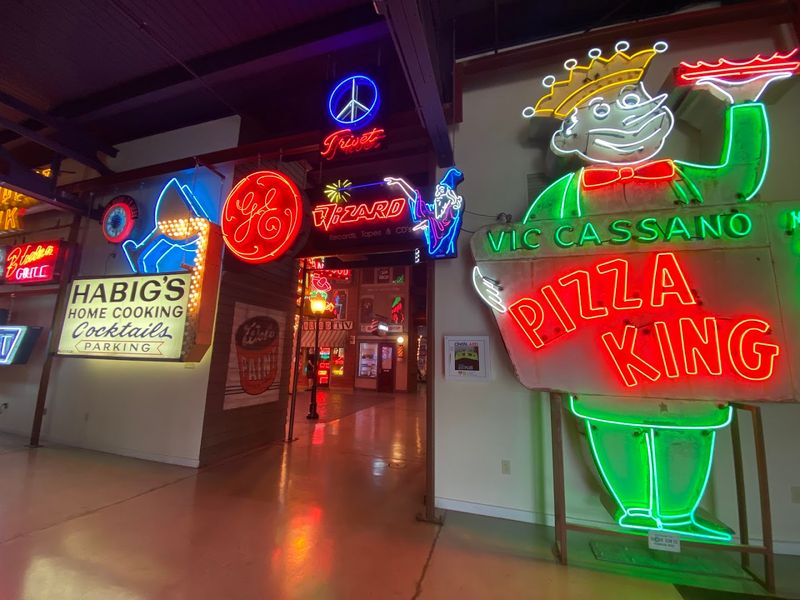
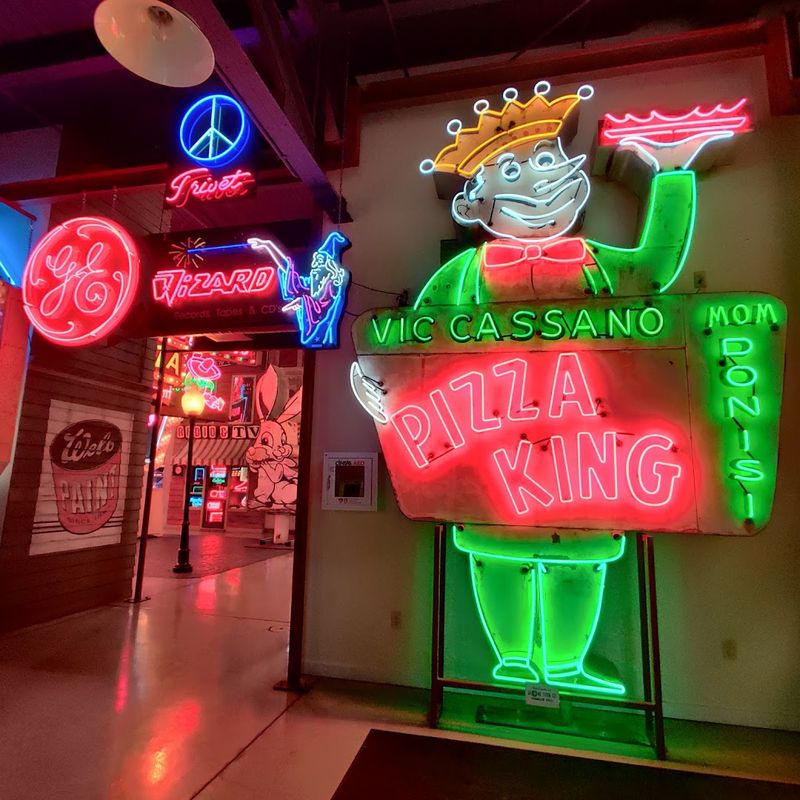
There is something extra special about spotting a sign from a place you actually grew up visiting. The American Sign Museum features a wonderful collection of locally rooted Cincinnati signs, including pieces from beloved regional institutions like LaRosa’s Pizza, Cassano’s Pizza King, Wizards Records, and the Cincinnati Pops.
For lifelong Cincinnati residents, these familiar names trigger a flood of personal memories that make the museum feel deeply personal rather than just educational. One reviewer laughed that her sister joked she would see signs from all her past jobs, and sure enough, many of them were right there on the wall.
Even visitors from out of town find this local flavor charming, since every city has its own beloved landmarks and the museum captures that regional identity beautifully. It is a reminder that American culture is not monolithic but is instead a rich patchwork of local stories stitched together across the country.
The Giant Spinning 76 Sign
Kids and adults alike tend to stop dead in their tracks when they spot the giant spinning 76 sign. Bold, round, and impossible to ignore, it captures everything that made mid-century roadside signage so visually exciting.
One reviewer mentioned that her son was absolutely thrilled by it, and honestly, that reaction is completely understandable.
The 76 brand was famous for its towering ball signs, which became landmarks in their own right along American highways. Gas stations understood early on that a memorable sign was as important as the fuel itself, especially during the postwar road trip era when millions of Americans were hitting the open road for the very first time.
Seeing it spinning inside the museum gives you a sense of the scale and boldness these signs carried in real life. It is the kind of exhibit that bridges generations, sparking joy in a six-year-old and a sixty-year-old simultaneously with equal enthusiasm.
Photography Paradise for Every Skill Level
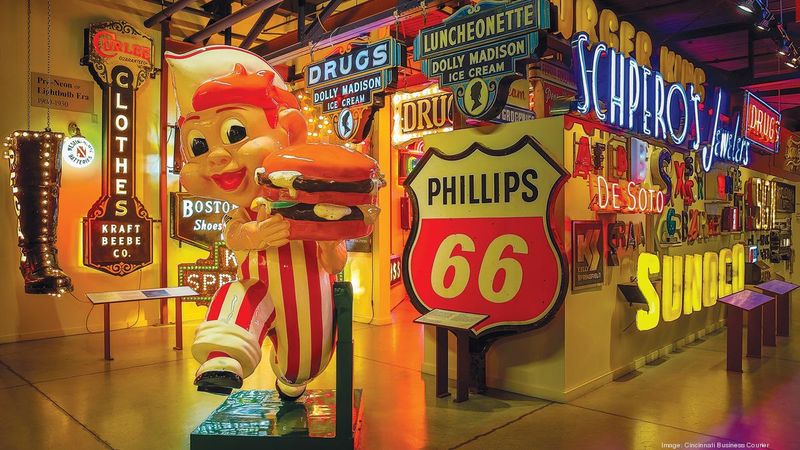
Calling the American Sign Museum a photographer’s dream is not an exaggeration. Every inch of the space is bathed in warm, multicolored light from dozens of glowing signs, creating an atmosphere that makes even a casual smartphone snapshot look professionally lit.
Reviewers have described it as visually stunning, immersive, and endlessly photogenic. The combination of vintage typography, glowing neon, and carefully arranged storefronts gives photographers an almost unlimited variety of compositions to explore, from wide-angle street views to tight macro shots of individual letters and bulbs.
Whether you shoot with a professional camera or just your phone, you will leave with a full memory card and a huge smile. The relaxed, unhurried environment means you can take your time framing the perfect shot without feeling like you are holding anyone up.
Several visitors have called it the most visually exciting indoor space they have ever explored.
Friendly Staff and Welcoming Atmosphere
A great museum experience is not just about the exhibits. It is also about the people who make you feel welcome the moment you walk through the door.
At the American Sign Museum, staff members consistently earn praise from visitors for their warmth, helpfulness, and genuine enthusiasm for the collection.
Multiple reviewers highlighted the friendly atmosphere as a key part of what made their visit memorable. From the front desk staff to the tour guides leading groups through the exhibits, everyone seems genuinely invested in making sure guests have a wonderful time.
One reviewer even specifically thanked a tour guide named Gabby for making the guided tour so engaging and informative. Small gestures like honoring tickets from a previously weather-closed weekend show that the team truly cares about their visitors.
That kind of hospitality turns a good museum trip into a great one worth recommending to everyone you know.
Practical Visitor Tips for Planning Your Trip
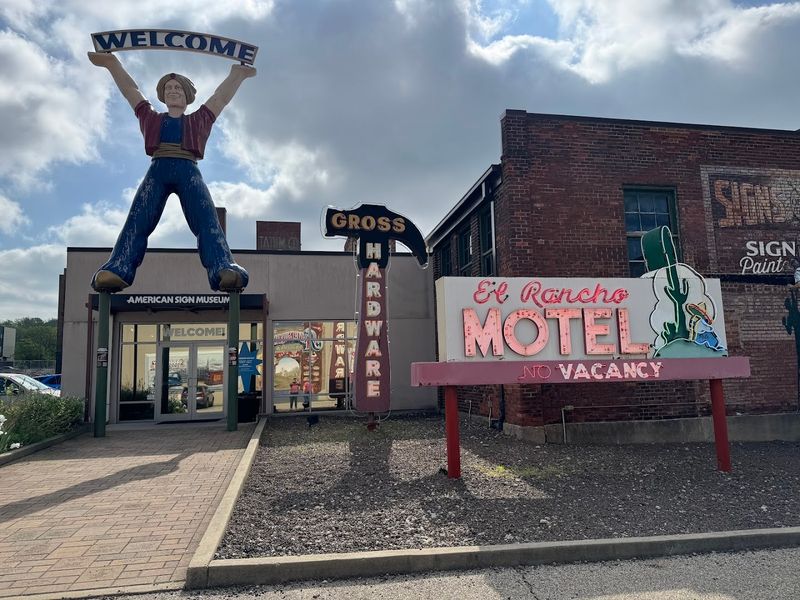
Planning ahead makes any museum visit smoother, and the American Sign Museum is no exception. The museum is open Wednesday through Sunday from 10 AM to 4 PM, so make sure to check those hours before you head out.
Monday and Tuesday are closed, which has caught a few visitors off guard.
Tickets are priced at around $20 per person, with discounts available for seniors, military veterans, and students. Purchasing tickets online in advance is an option, though it may not always be strictly necessary depending on how busy the day is.
Parking is free in the lot right next to the museum, which is a welcome bonus given the industrial neighborhood setting. Plan to spend at least 90 minutes exploring comfortably, or longer if you join a guided tour or catch a neon demonstration.
You can reach the museum at 513-541-6366 or visit americansignmuseum.org for current schedules.
Signs Collected From Across the Entire Country
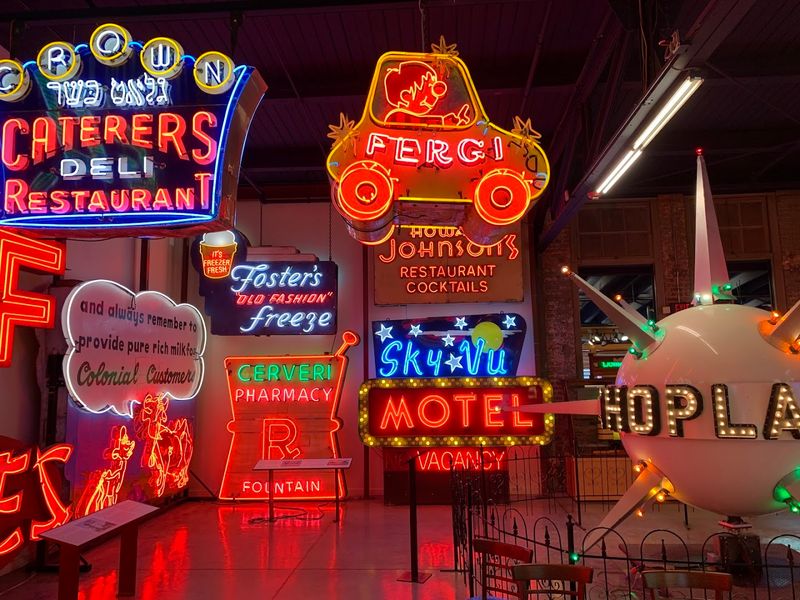
One of the most impressive facts about the American Sign Museum is the sheer geographic reach of its collection. Signs have been gathered from 38 or 39 different states, meaning the museum genuinely represents the full breadth of American commercial culture rather than just one region.
That national scope transforms the experience from a local curiosity into something with real historical weight. Visitors from across the country often find pieces that resonate personally, whether it is a gas station sign from their home state or a restaurant chain they remember from childhood road trips.
The collection spans not just geography but time, covering decades of design trends, printing technologies, and advertising philosophies. Each sign arrived here with its own story, its own town, and its own slice of American life attached to it.
Together they form a mosaic of the country that is surprisingly moving to stand in front of and absorb slowly.
Why This Museum Belongs on Every Cincinnati Itinerary
Hidden in a warehouse district on Monmouth Avenue, the American Sign Museum might not look like much from the outside. But the moment you step through the entrance, it becomes immediately clear why this place has earned a 4.8-star rating from over 3,400 visitors and national recognition as the largest public museum of its kind in the United States.
History lovers, design enthusiasts, families with young children, and photography buffs all find something to love here. The combination of art, commerce, nostalgia, and craftsmanship creates an experience that is genuinely difficult to categorize, which is exactly what makes it so memorable.
Whether you are a Cincinnati local who has somehow never made it through the doors or a road tripper passing through Ohio for the first time, this museum deserves a spot on your list. Very few places manage to make the history of everyday objects feel this exciting, this beautiful, and this deeply human.
Enjoyed this story?
Add Fast Food Club as a preferred source to see more of our reporting on Google.