


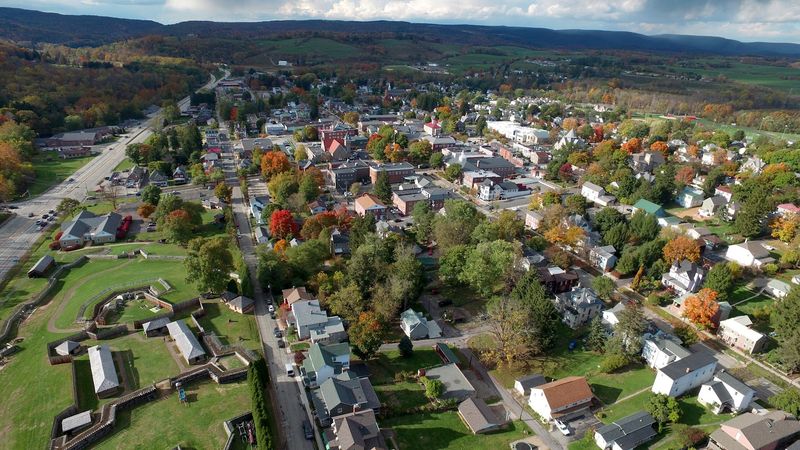
A historic fort, a town square with a bandstand, and mountain ridges on every side usually come with a hefty price tag. In one small borough in southwestern Pennsylvania, they still don’t.
Tucked into the Laurel Highlands of Westmoreland County, this community has roots older than the United States and a population of only about 1,500 people. Yet it sits inside the Pittsburgh metro area, so city jobs, hospitals, and airports are never out of reach.
For house hunters, the best part is that listings under $200,000 still pop up here. Keep reading to find out where this town is, how a frontier war shaped it, what daily life looks like, and how to scout it smartly before making an offer.
A Small Borough With a Big-City Neighbor
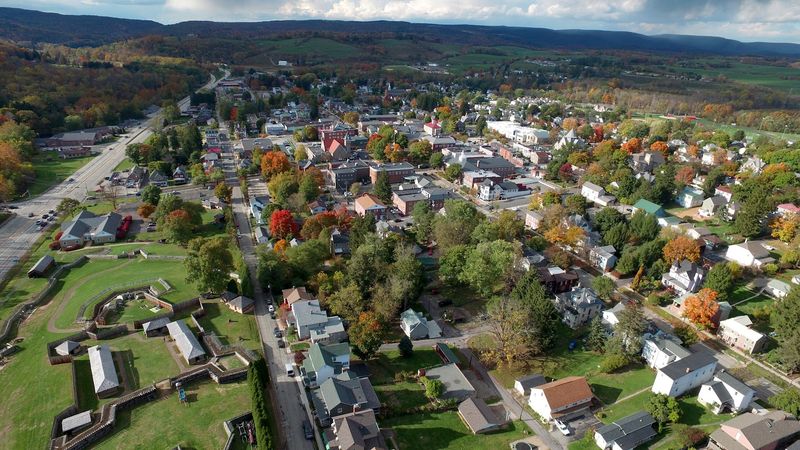
Plenty of towns claim to be off the beaten path, but few manage it while staying within reach of a major city. Ligonier is a borough in Westmoreland County, Pennsylvania, and its address is listed as Ligonier Township, PA 15658.
The town sits in the Laurel Highlands of southwestern Pennsylvania. It is officially part of the Pittsburgh metropolitan area, which matters a great deal for anyone weighing a move.
At the 2020 census, the borough counted just 1,513 residents. That is small enough that the word crowd rarely comes up in daily conversation.
The math here is simple. Ligonier offers the pace of a mountain town while keeping city jobs, airports, and hospitals within a reasonable drive to the west.
Home shoppers often assume that kind of combination comes with a steep price tag. In many parts of the country, it does.
What makes this borough worth a closer look is that its housing market still leaves room for modest budgets. Listings under $200,000 continue to appear here, which is part of why the name keeps popping up in conversations about affordable small-town living.
Before getting into dollars and cents, though, the town’s backstory deserves a proper introduction. It starts with a fort.
Roots Planted in the 1760s
Long before anyone was scrolling real estate apps, settlers were putting down stakes in this corner of Pennsylvania. Ligonier was settled in the 1760s, giving it a history that stretches back before the United States itself existed.
That early start shaped the town in ways that still show today. The community grew up around a military post, and the frontier era left a clear mark on its identity.
Many American towns can point to an old building or two. Fewer can say their origin story is tied directly to a war that helped decide who would control much of the continent.
For home buyers, that deep history is more than a trivia point. It helps explain why the borough has a compact, walkable core rather than the sprawling layout of newer suburbs.
Streets laid out generations ago tend to keep homes, shops, and public spaces close together. That makes errands and evening strolls far more practical.
History buffs will have plenty to explore here. Even residents with only a passing interest in the past tend to pick up a few facts simply by living in a place where the story is so visible.
The most visible chapter of all stands just a short walk from the center of town.
The Frontier Fort, Rebuilt
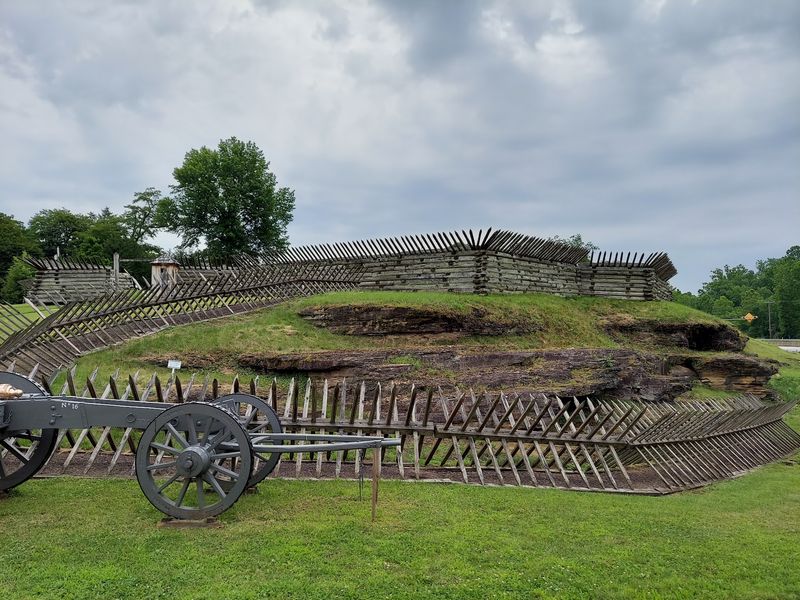
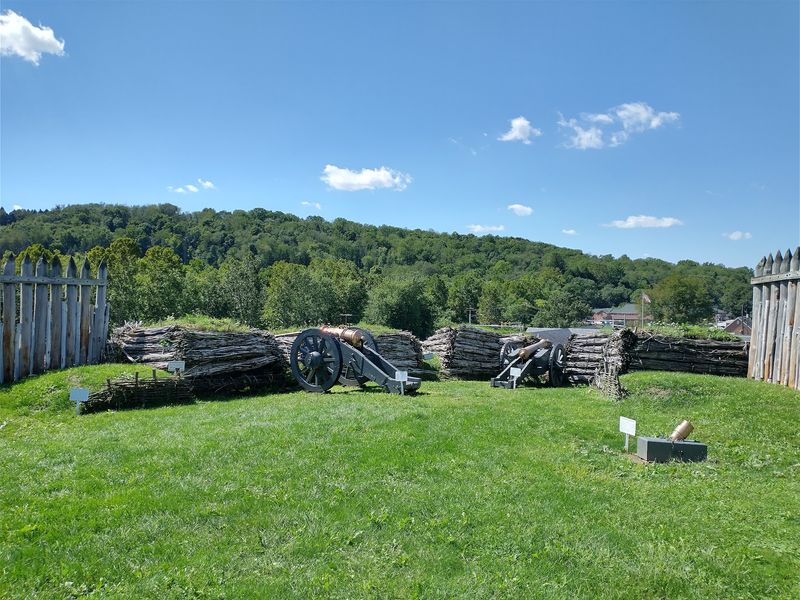
Few small towns can say a piece of the French and Indian War sits within their borders. Ligonier can, thanks to a reconstruction of Fort Ligonier, a frontier fort from that conflict.
The original fort was built by British forces in 1758 during the campaign to push toward the French-held Fort Duquesne at the forks of the Ohio River. That spot later became Pittsburgh, which creates a neat connection between the borough and its big neighbor to the west.
Today’s version is a reconstruction, so it offers a clear look at what a frontier post was like in the 18th century. The site also operates as a museum that tells the story of the soldiers, settlers, and Native nations caught up in the struggle.
Families considering a move will appreciate having a landmark like this nearby. It turns a history lesson into a short local outing rather than a road trip.
School projects practically write themselves.
Hours and admission can change with the season, so checking the official Fort Ligonier website before a trip is the smart move.
One question naturally follows a stop here. Who exactly was Ligonier, anyway?
A Name Borrowed From a British Commander
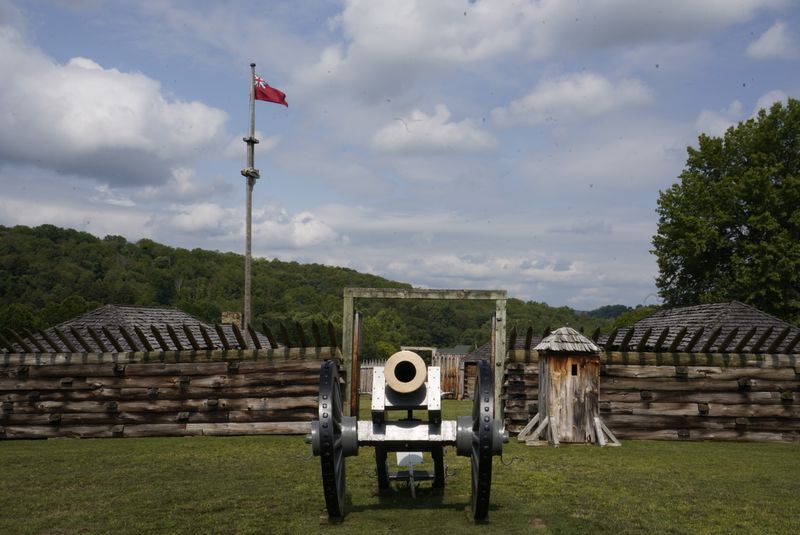
Town names often hide a good story, and this one has a surprising twist. The fort, and later the borough, took its name from Sir John Ligonier, a senior British military leader of the 18th century.
Here is the twist. Ligonier was born in France to a Protestant Huguenot family before building his career in the British Army.
So a fort built to push the French out of the region was named for a man born in France. History has a sense of humor sometimes.
The name was chosen by General John Forbes, who led the British campaign across Pennsylvania in 1758. Forbes decided to honor Ligonier, who was then commander-in-chief of the British Army.
That detail may seem like pure trivia, yet it tends to come up in local conversation. People who live here often enjoy sharing the story with newcomers.
It also says something about the town’s personality. Ligonier wears its past openly, from the name on the welcome signs to the fort at the heart of the community.
Buyers who want a place with a clear sense of identity will find that here. With the name sorted out, the next stop is the spot where much of daily town life happens.
The Diamond at the Heart of Town
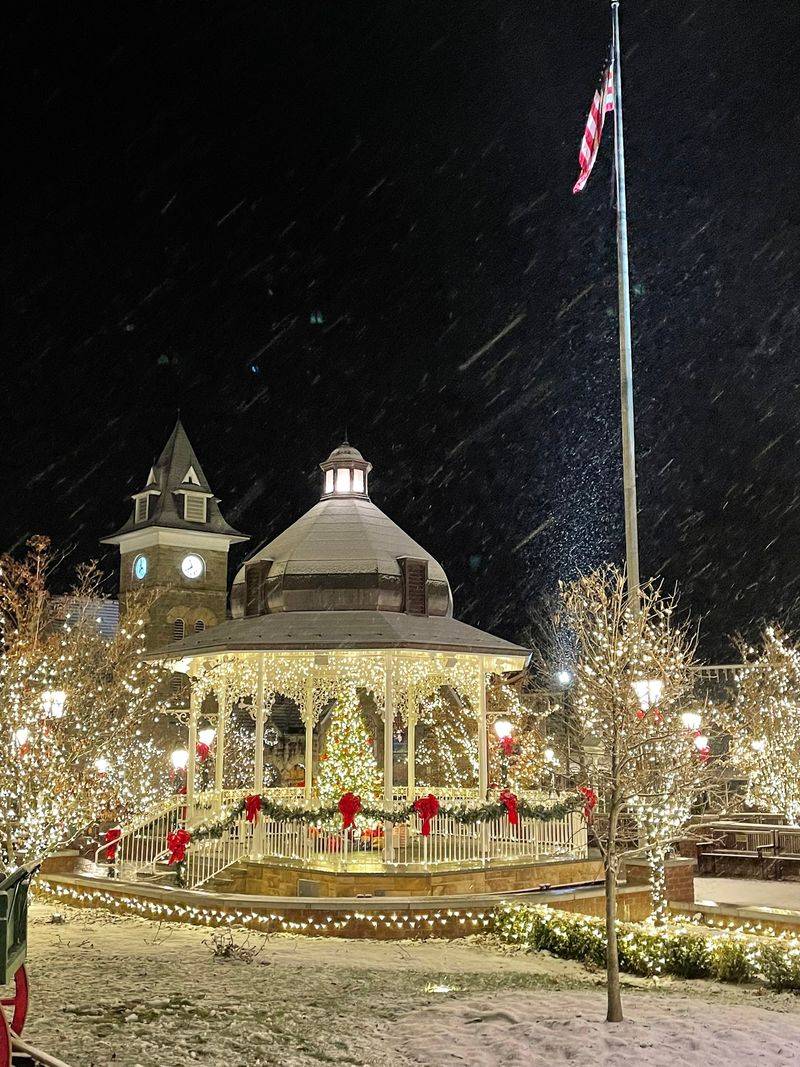
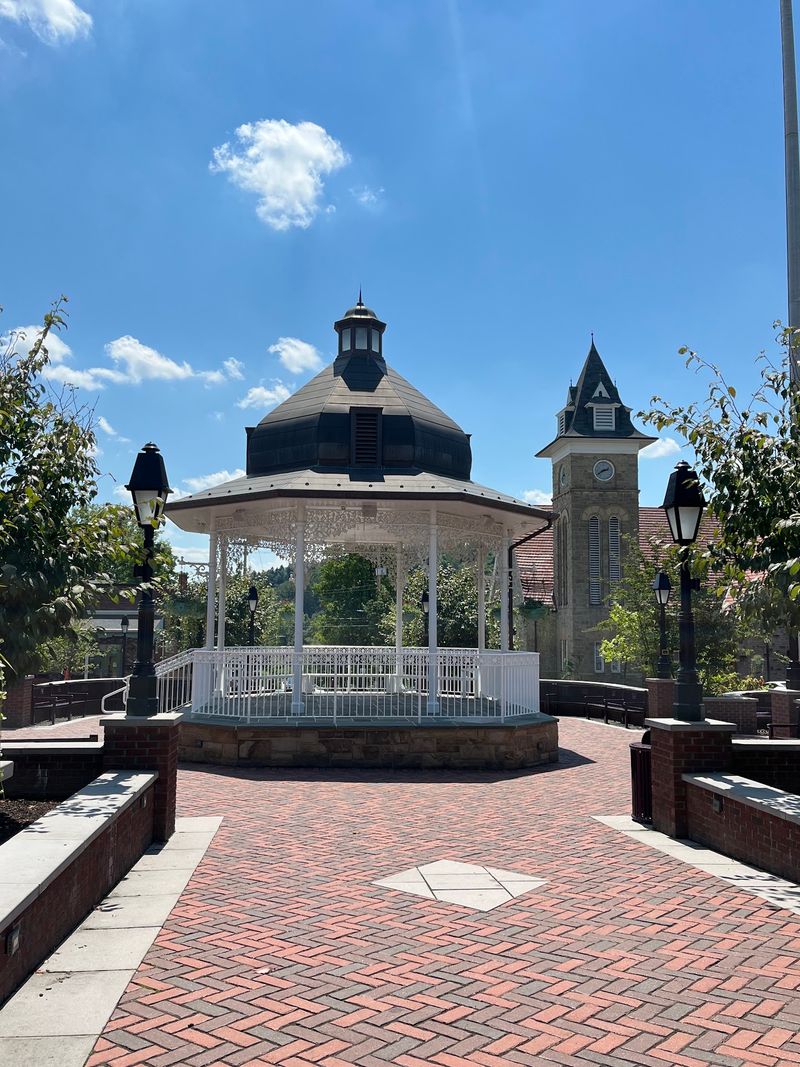
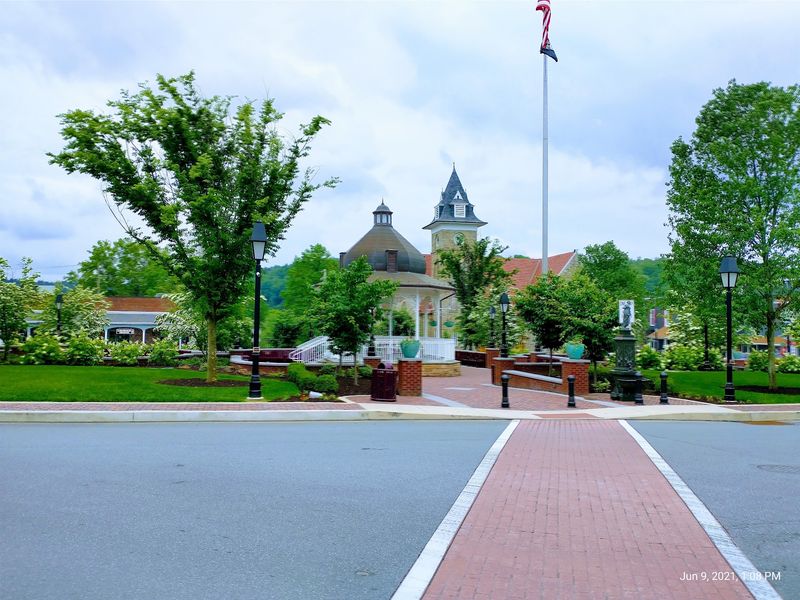
In many Pennsylvania towns, the central square is called a diamond, and Ligonier’s version serves as the unofficial living room of the community. The Diamond sits at the center of the borough, with streets branching out toward shops and homes.
A bandstand anchors the green space in the middle. It gives the square a classic small-town look that shows up on plenty of postcards.
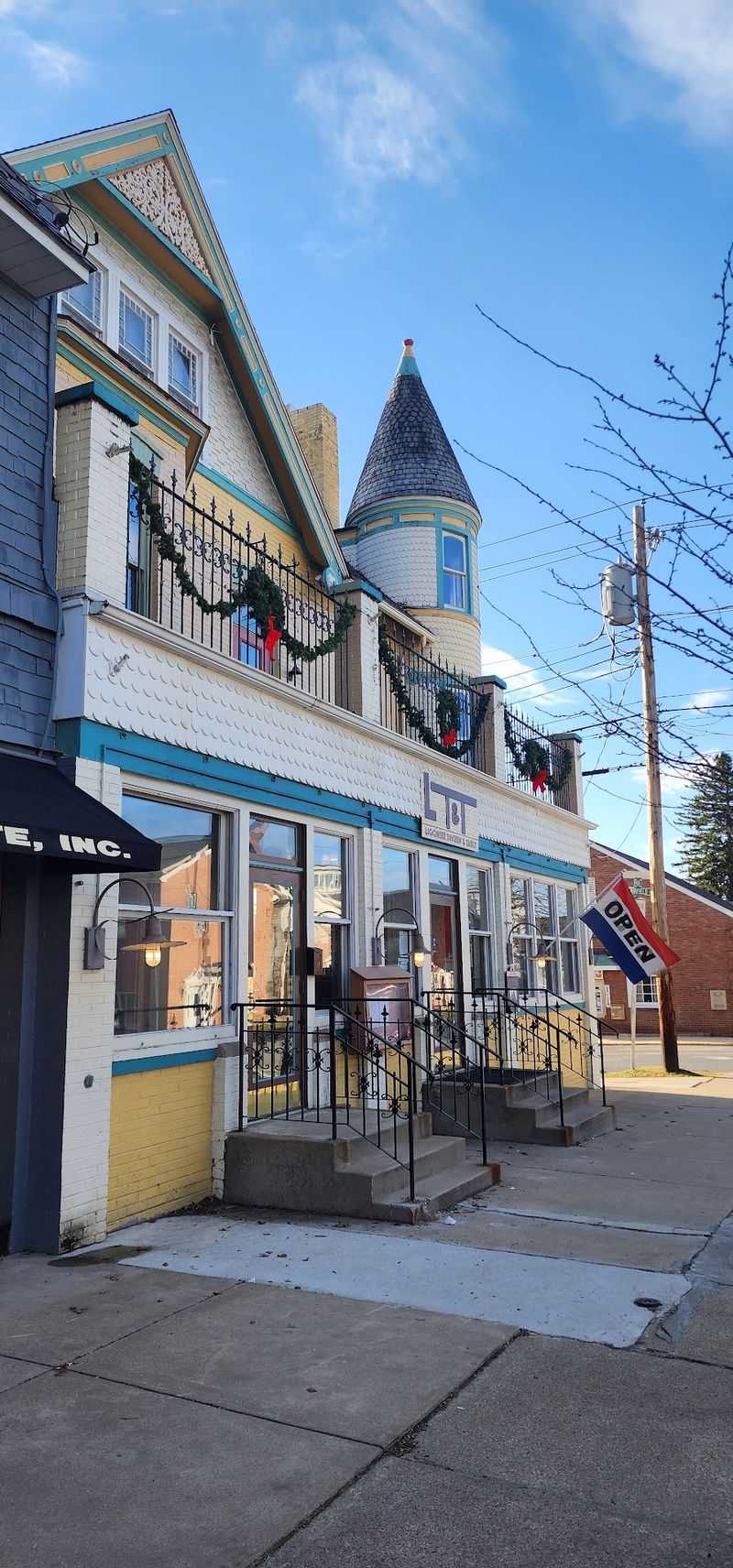
Around the edges, independently owned shops and businesses fill the storefronts. The mix leans local, which keeps the downtown from resembling every other strip mall in the country.
For residents, the Diamond works as a natural meeting point. A quick errand here can easily turn into a longer chat with a neighbor.
Community events often use the square as their stage. When the calendar fills up, the Diamond is usually where the action begins.
Buyers focused on price may want to widen the search a few blocks out or into the surrounding township. Properties there can sometimes offer more space for the money.
Either way, the Diamond stays close. In a borough this size, very little is far from the center.
Life Along the Lincoln Highway
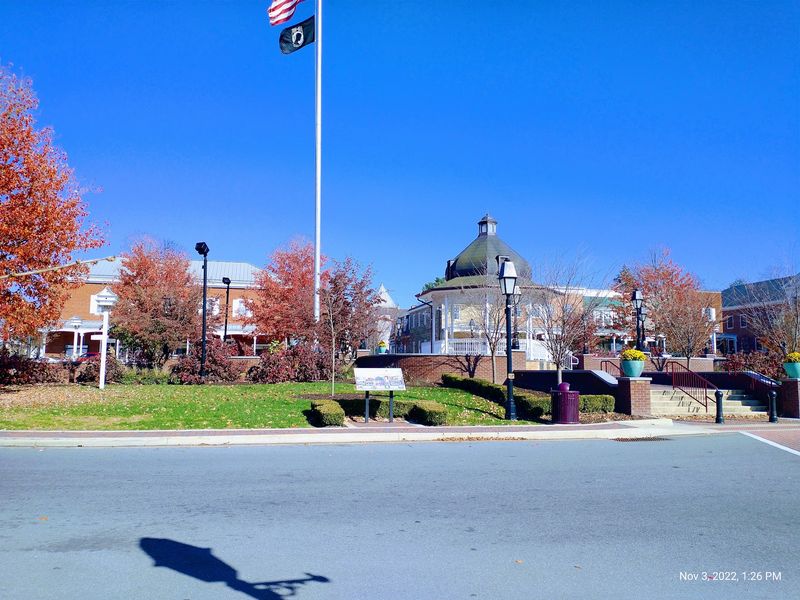
America’s first coast-to-coast road for automobiles runs right through this corner of the Laurel Highlands. U.S.
Route 30, better known in history books as the Lincoln Highway, passes through Ligonier.
The Lincoln Highway was dedicated in 1913 and stretched from New York to San Francisco. It helped turn long road trips from a rare adventure into something ordinary families could attempt.
That legacy still shapes the town. Route 30 connects Ligonier to Latrobe, Greensburg, and Pittsburgh to the west, and to the mountain communities and Bedford County to the east.
For commuters, this is the practical headline. A major road running directly through town makes daily travel far easier than it would be in a more isolated mountain community.
The highway also brings a steady stream of travelers who stop to explore the shops and the fort. That traffic helps support local businesses, which in turn keeps the downtown active.
Road-trip fans sometimes plan whole itineraries around the old route. Residents simply get to enjoy that history on the way to work.
Of course, the road is only half the setting. The other half rises up on either side of it.
Ridges, Creeks, and State Parks
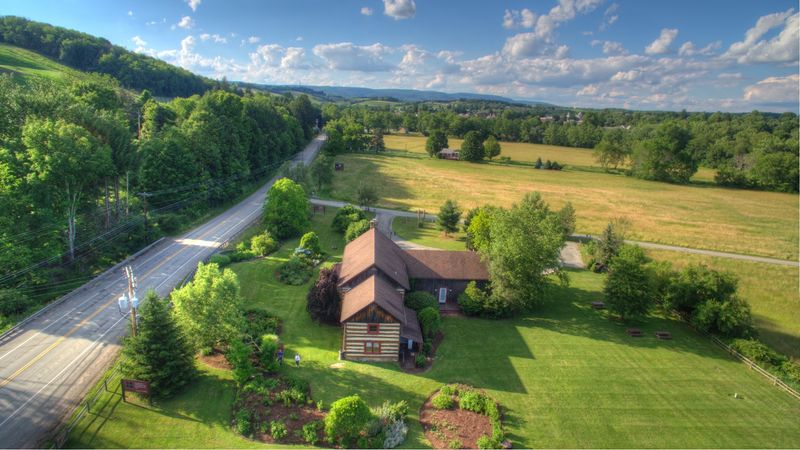
Mountains are not an extra here. They are the whole backdrop.
Ligonier sits in the Ligonier Valley, framed by Laurel Ridge to the east and Chestnut Ridge to the west. The Loyalhanna Creek winds through the area and gives anglers a solid reason to pack their gear.
Public land is close at hand. Linn Run State Park and parts of Forbes State Forest lie a short drive from town, offering trails, streams, and picnic areas.
Laurel Mountain State Park sits nearby as well and is known for its ski slopes. That means winter weekends can include time on the snow without a marathon drive.
For home buyers, this setting changes what a backyard can mean. Even a modest house becomes a base camp for hiking, fishing, and seasonal outings.
The Laurel Highlands region draws outdoor lovers from Pittsburgh and far beyond. Living in Ligonier puts residents at the front of that line instead of battling weekend traffic to get there.
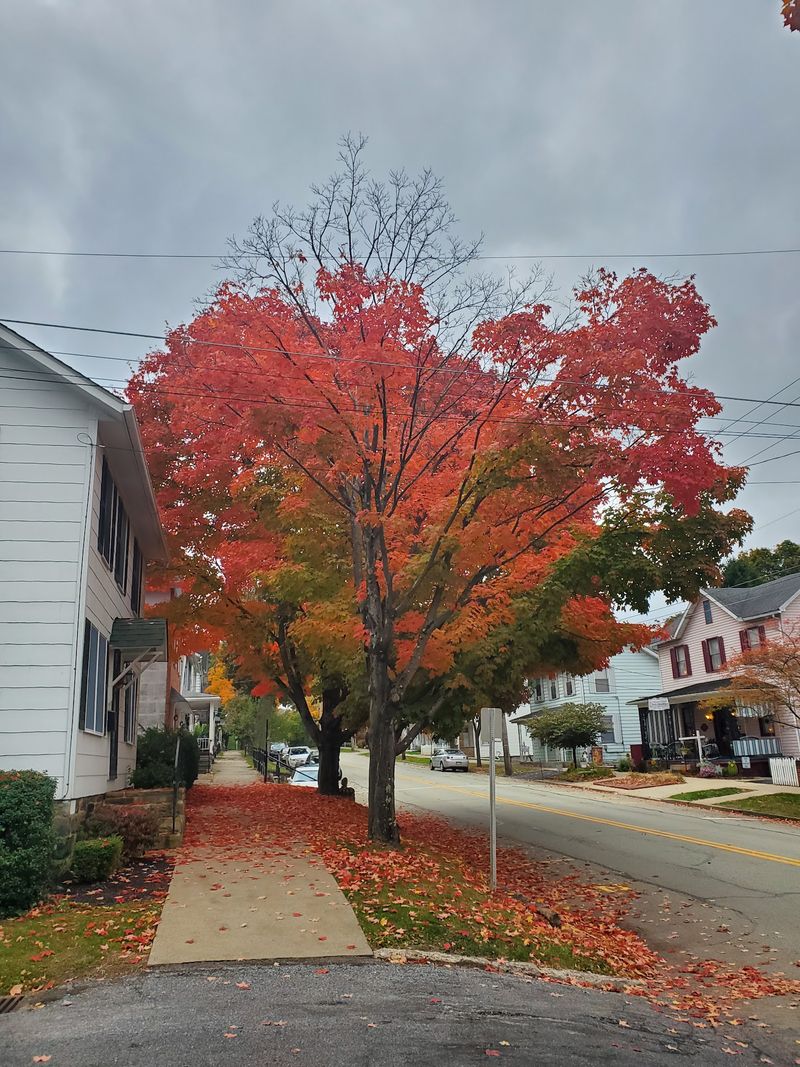
Fall foliage season is especially popular, and scenic drives fill up fast. Locals tend to know the calmer back routes, which is one of the underrated perks of calling the valley home.
An October Tradition Rooted in 1758
Every October, the population of this small borough gets a temporary and very noticeable boost. The reason is Fort Ligonier Days, an annual festival that celebrates the town’s frontier history.
The event commemorates the 1758 battle at Fort Ligonier, when the British garrison held off an attack during the French and Indian War. Over the years, it has grown into one of the signature community events in the Laurel Highlands.
Festivities typically include a parade, historical reenactments at the fort, and a wide range of vendors and crafts around town. Schedules change from year to year, so the official event page is the best source for details.
For residents, the festival is both a highlight and a lesson in planning. Streets get busy, parking gets creative, and the Diamond turns into a hub of activity.
Many locals embrace it fully. Others simply plan their grocery runs around it.
House hunters may want to schedule a trip during the festival to see the town at its liveliest. A second trip on a quiet weekday will show the everyday rhythm, which is the version buyers will actually live with.
Comparing the two gives an honest picture. And speaking of lively, another local attraction has been drawing families for well over a century.
Idlewild and the Summer Rush
Small towns rarely come with a historic amusement park next door. Ligonier does.
Idlewild and SoakZone sits just outside the borough in Ligonier Township. The park opened in 1878, making it one of the oldest operating amusement parks in the United States.
It is known for its family-friendly approach, with rides geared toward younger children, a water park area, and a trolley ride tied to the world of Mister Rogers. That connection fits, since Fred Rogers grew up in nearby Latrobe.
The park grounds also host the Ligonier Highland Games, an annual celebration of Scottish heritage with athletic contests and dancing. It is one more reason the local calendar stays surprisingly full.
For families with kids, living a few minutes from a place like this can be a real perk. Season passes become a practical summer plan rather than a once-a-year splurge.
There is a trade-off, of course. Summer weekends bring extra traffic along Route 30 as day-trippers head to the park.
Most residents learn the patterns quickly. After a season or two, dodging the busiest hours becomes second nature.
The Rhythm of a 1,500-Person Town
Numbers tell part of the story. With 1,513 residents at the 2020 census, the borough is small enough that familiar faces show up everywhere.
That size creates a certain kind of daily life. Errands tend to be quick, parking is usually manageable outside of festival weekends, and local businesses often recognize regular customers.
The pace is noticeably slower than in the city. For many newcomers, that is exactly the point of moving here.
Community ties run deep in a place with this much shared history. Events on the Diamond, school activities, and seasonal traditions give residents plenty of chances to connect.
At the same time, a small borough has limits worth weighing. Big-box shopping, specialized medical care, and certain job opportunities often require a drive toward Latrobe, Greensburg, or Pittsburgh.
Plenty of residents see that as a fair trade. They get a calm home base with the region’s larger amenities still within reach.
A simple way to test the fit is to spend a full day in town without a packed itinerary. Wandering the streets, sitting on a bench near the bandstand, and browsing the shops can reveal a lot about whether the pace suits a buyer’s lifestyle.
Lifestyle fit matters, but for most buyers the next question is about money.
The Under-$200,000 Question
Here is the part of the story that grabs attention on a real estate feed. In a scenic Laurel Highlands town with a historic fort and a lively square, homes under $200,000 still turn up.
That does not mean every house comes with a bargain tag. Prices vary widely depending on size, condition, and exact location.
The more affordable listings are often older homes, smaller properties, or houses that could use some updating. Many homes in the area date back generations, which adds character and sometimes a to-do list.
Buyers willing to take on a few projects may find the best value. Those who want a move-in-ready home right near the Diamond should expect to stretch the budget further.
Widening the search into the surrounding Ligonier Township and nearby valley communities can open up more options. A little flexibility on location often pays off.
Real estate markets shift constantly, so the only reliable numbers are current ones. Checking active listings and talking with a local agent will give a clearer picture than any headline.
A thorough home inspection is especially wise with older houses. Knowing what a property needs before signing helps keep an affordable purchase affordable.
The final piece of the puzzle is figuring out who this kind of town truly suits.
A Good Match for Several Kinds of Movers
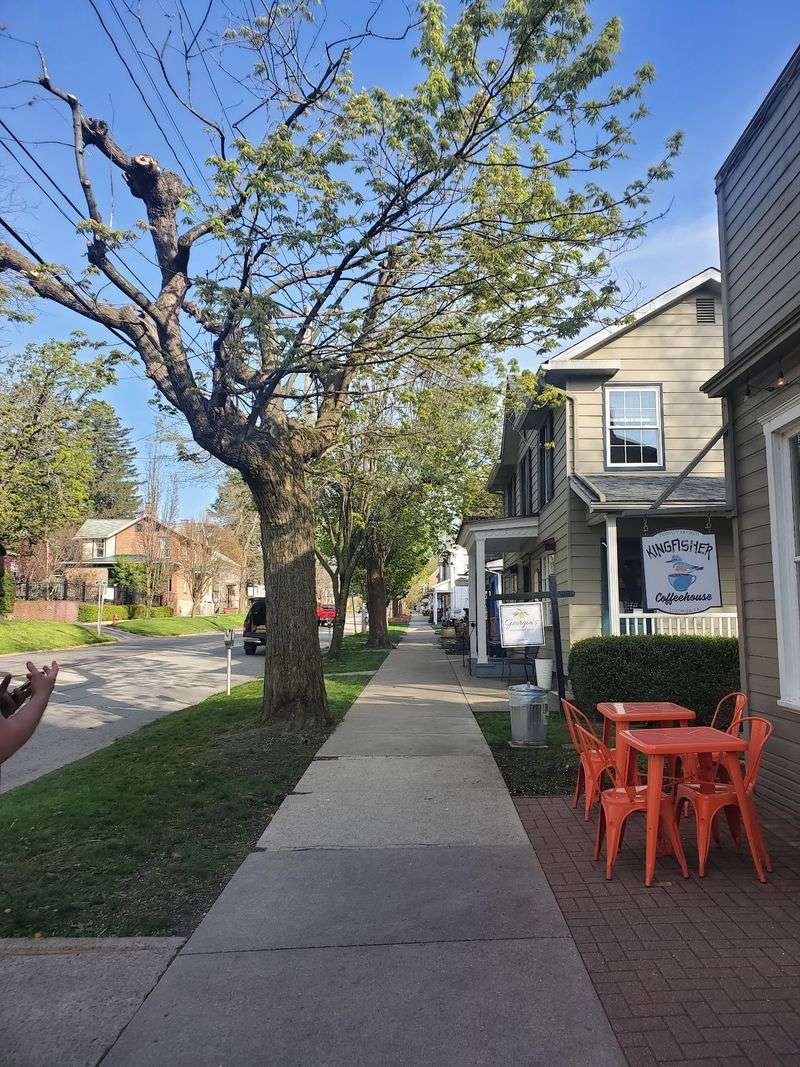
Not every buyer wants the same thing, and that is part of what makes Ligonier interesting. The town appeals to a surprisingly wide range of people.
Remote workers are a natural fit. A home office in a quiet borough, with Pittsburgh reachable for occasional meetings, is a setup many professionals now seek out.
Retirees often look for this exact blend of walkability, community events, and outdoor recreation. A smaller home near the center of town can make daily life simple and social.
Young families may appreciate the mix of history, parks, and a historic amusement park next door. First-time buyers, meanwhile, may find their budget stretches further here than in the city’s most popular suburbs.
Outdoor enthusiasts have their own reasons to consider the move. State parks, forest land, and the Loyalhanna Creek are all close at hand.
The town may be less ideal for people who need a very short daily commute into downtown Pittsburgh. It may also seem too quiet for anyone who wants late-night entertainment and big-city variety right outside the door.
Honest self-assessment helps here. Buyers who value space, history, and a slower pace tend to find the trade-offs worth it.
Once the fit seems promising, the next step is simply to go and see the place in person.
Scouting the Town Before Signing Anything
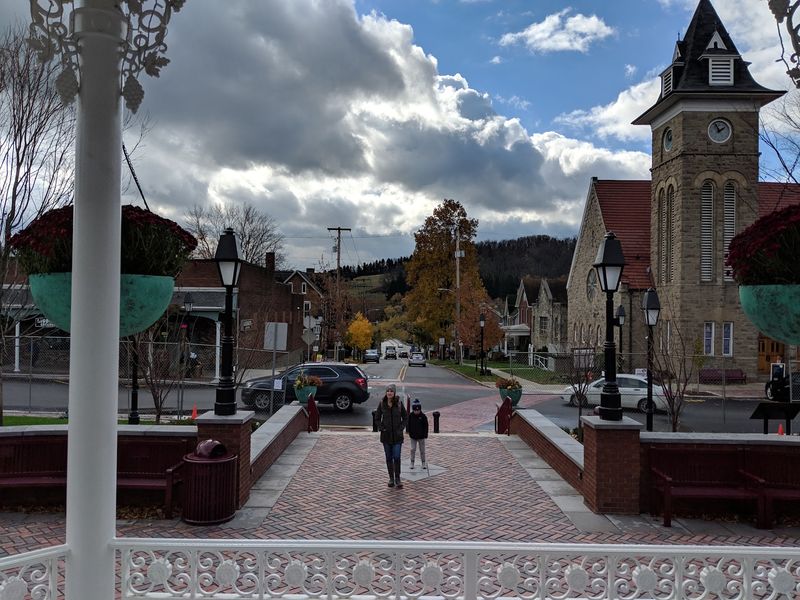
A real estate listing can only say so much. A scouting trip fills in the rest.
Getting to Ligonier is straightforward. U.S.
Route 30 runs directly through town, and drivers on the Pennsylvania Turnpike often use the Donegal exit and head north on Route 711.
From Pittsburgh, the drive typically takes a little over an hour, depending on traffic. Arnold Palmer Regional Airport in nearby Latrobe offers another option for travelers flying in.
Timing matters. A weekday trip shows the town’s everyday routine, while a summer or festival weekend shows how busy things can get.
Fort Ligonier, the shops around the Diamond, and nearby parks all make good stops for getting to know the area. Hours for attractions and businesses change by season, so confirming them ahead of time avoids closed doors.
House hunters should also drive the routes they would use daily. A test run to a workplace, school, or grocery store during a normal commute window can be eye-opening.
Lodging in and around town fills up quickly during Fort Ligonier Days and peak foliage season. Booking early is wise for those dates.
Jotting down notes after each neighborhood helps with comparisons later. After a long day of touring, those notes become surprisingly valuable.
A Quiet Case for Ligonier
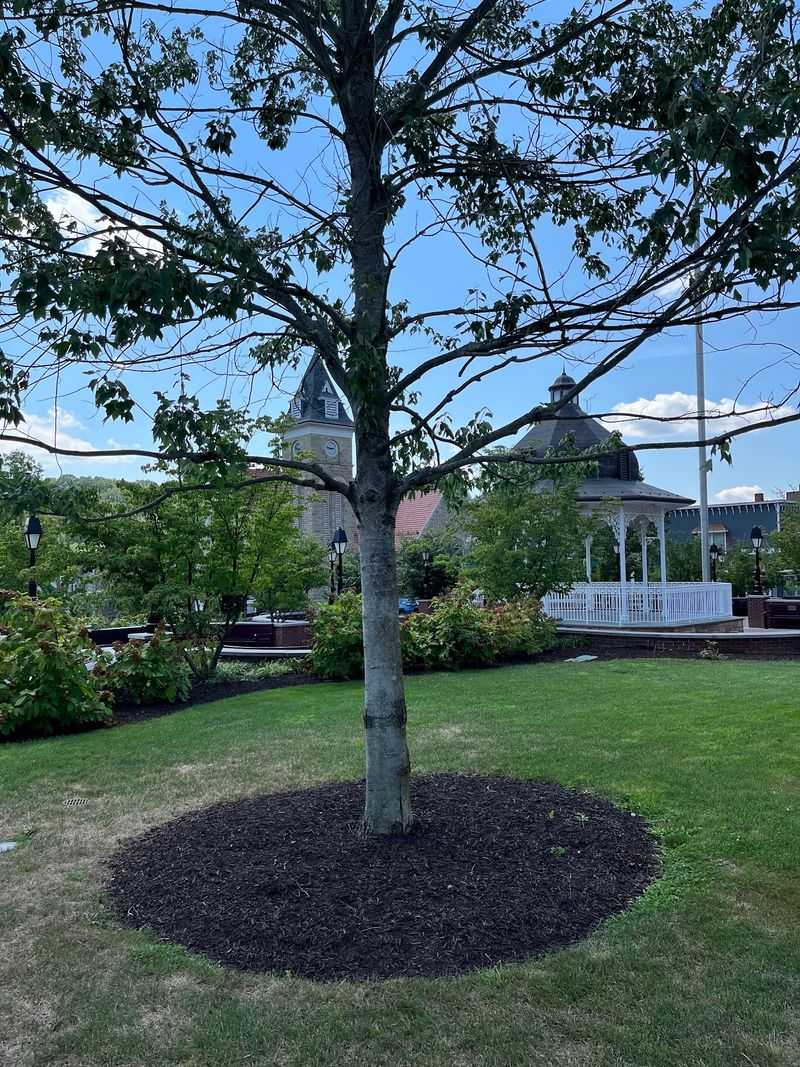
Some towns shout for attention. Ligonier makes its case more calmly.
It offers a history that reaches back to the 1760s, a reconstructed frontier fort, a classic town square, and mountains on nearly every side. All of that comes in a borough of about 1,500 people that still sits within the Pittsburgh metro area.
Add in the chance to find homes under $200,000, and the appeal becomes hard to ignore. Not every listing will fit that range, but the possibility alone sets the town apart from many scenic destinations.
The best approach is a patient one. Visit in different seasons, talk with a local agent, and take time to learn the streets before committing.
Buyers who do that homework may discover that this corner of the Laurel Highlands offers something increasingly rare. History, nature, and affordability still share the same zip code here.
No town is perfect, and Ligonier has its trade-offs like any other. For the right person, though, those trade-offs may seem small next to the rewards.
The fort’s story began in 1758. The town’s next chapter is still being written by the people who choose to settle here.
Enjoyed this story?
Add Fast Food Club as a preferred source to see more of our reporting on Google.