


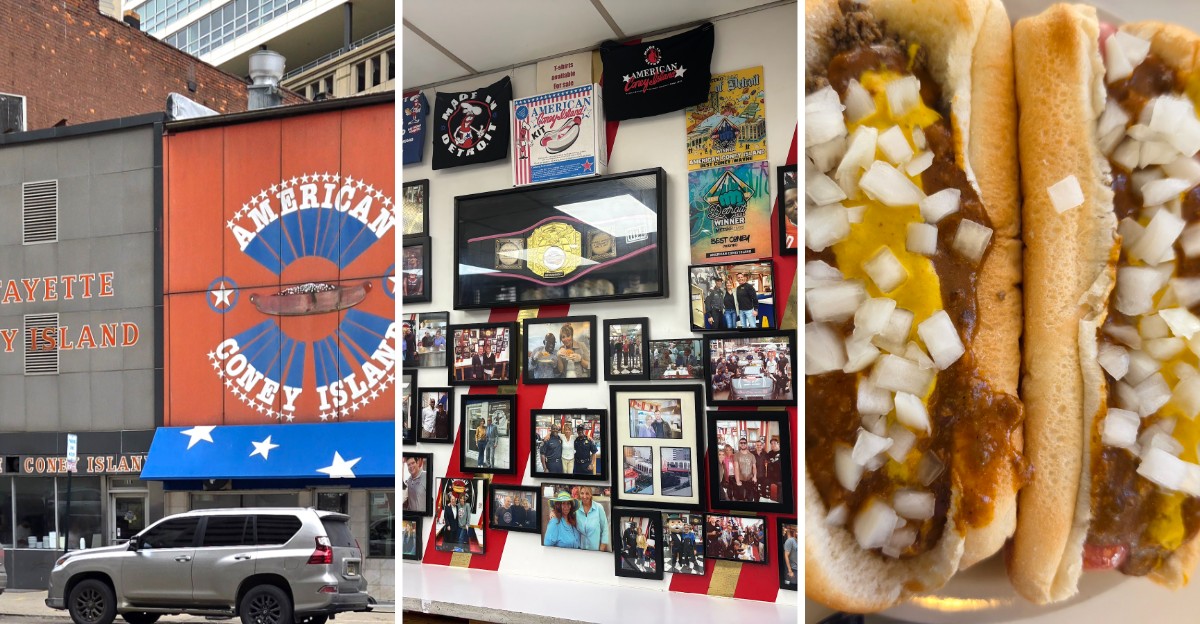
Two restaurants sit side by side on one downtown Detroit block, and both claim to be the original home of the coney dog. People pick sides.
Friends split up at the door, order at both counters, and compare notes on the sidewalk afterward. It sounds like a small thing, but in Detroit it is a full-blown civic debate, served on a steamed bun with chili, mustard, and onions.
The argument has been simmering for about a century, and it shows no sign of cooling. This article walks through one side of that famous rivalry: its long family history, the dogs that started it all, the room where it happens, and the practical details that help you join the debate yourself.
By the end, you will know exactly where to start and what to order first.
A Corner Address With Century-Old Bragging Rights
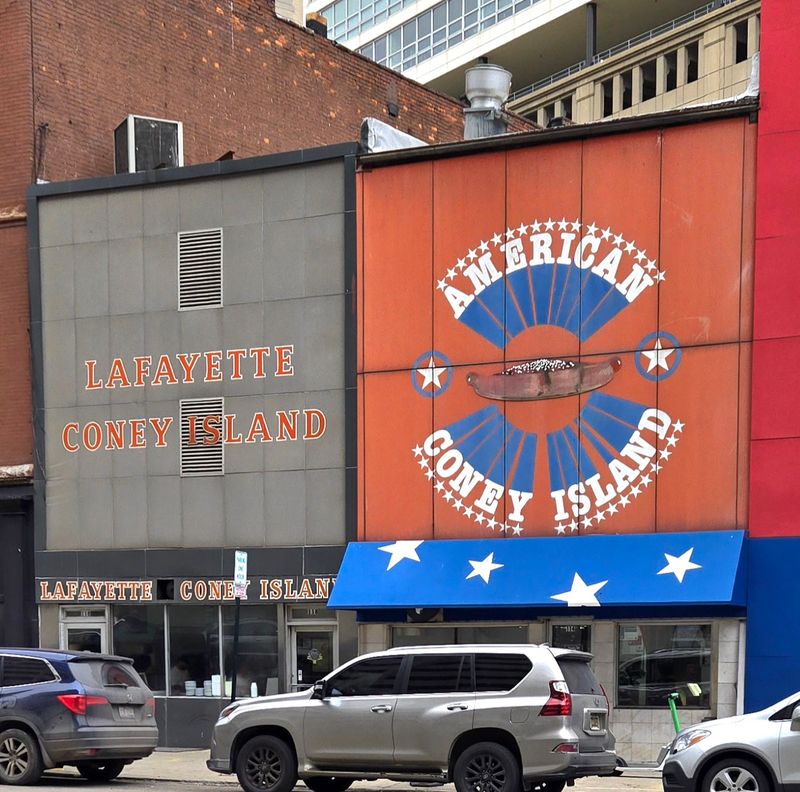
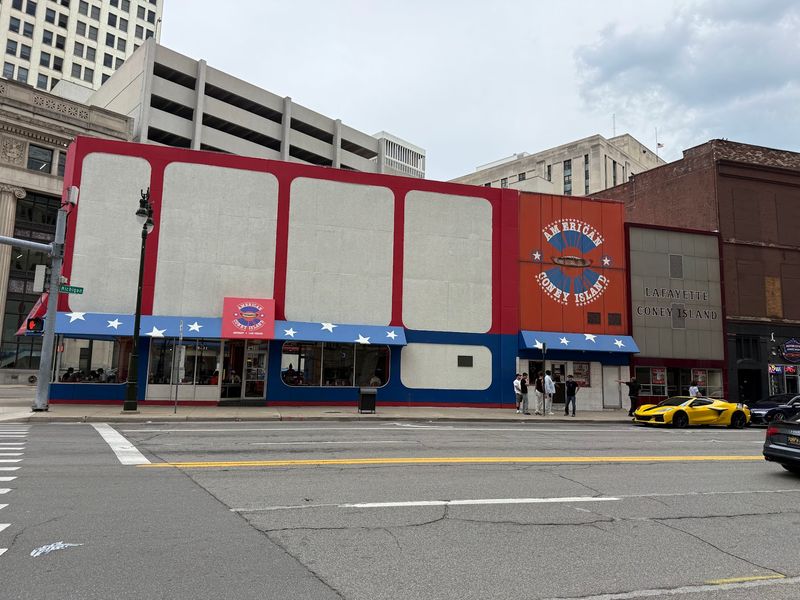
Every great food fight needs a home base, and this one has a very specific address. American Coney Island stands at 114 W Lafayette Blvd, Detroit, MI 48226, right in the heart of downtown Detroit, Michigan.
The spot is a hot dog restaurant in the simplest sense. It is a long-standing counter and diner that serves a short menu of classic Coney Island-style steamed bun hot dogs and fries.
What makes the location famous is its neighbor. Lafayette Coney Island sits directly next door on the same stretch of West Lafayette Boulevard.
Both places claim to be the original. Both have loyal regulars who will defend their choice with real passion.
That shared wall has turned a quick lunch into one of the city’s favorite traditions. Out-of-towners often show up specifically to try both and pick a winner, a ritual many call the coney challenge.
The popularity speaks for itself. American Coney Island has drawn thousands of opinions online, landing at a solid 4.1 out of 5, with the coney dog mentioned far more than anything else on the menu.
So the stage is set, the rivals are in place, and the menu is waiting. The next question is how a family hot dog counter ended up at the center of a hundred-year debate.
The Keros Family Story Since 1917
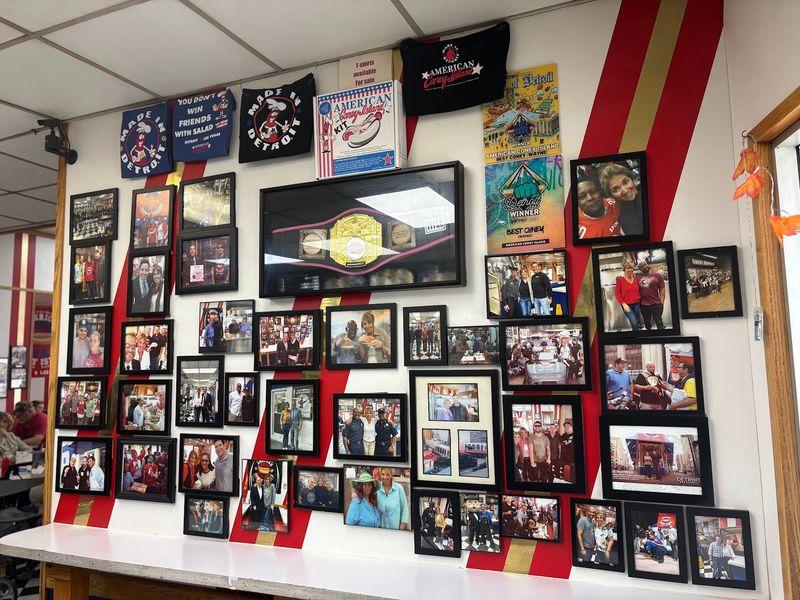
Some businesses change owners every few years. This one has stayed in the Keros family since 1917.
That continuity is a big part of the restaurant’s identity. More than a century of family ownership gives the place a steady, rooted character that newer spots cannot copy.
The 1917 date is also where the rivalry gets its fuel. American Coney Island is often described as a downtown Detroit landmark, and its supporters point to that long history as proof of its claim to being first.
Of course, the folks next door tell their own version of events. Neither side has backed down, and honestly, the city seems to enjoy it that way.
Fun fact for history fans: the shop is so tied to Detroit that its name has traveled. Some fans first tried an American Coney location in Las Vegas before making the trip to see the Detroit original.
Nothing about the operation tries too hard to impress. The menu stays simple, the service moves quickly, and the focus remains on the dish that built the reputation.
A family recipe guarded for generations is the kind of thing worth arguing over. And speaking of that recipe, the dog itself deserves a closer look.
Anatomy of a Detroit Coney Dog
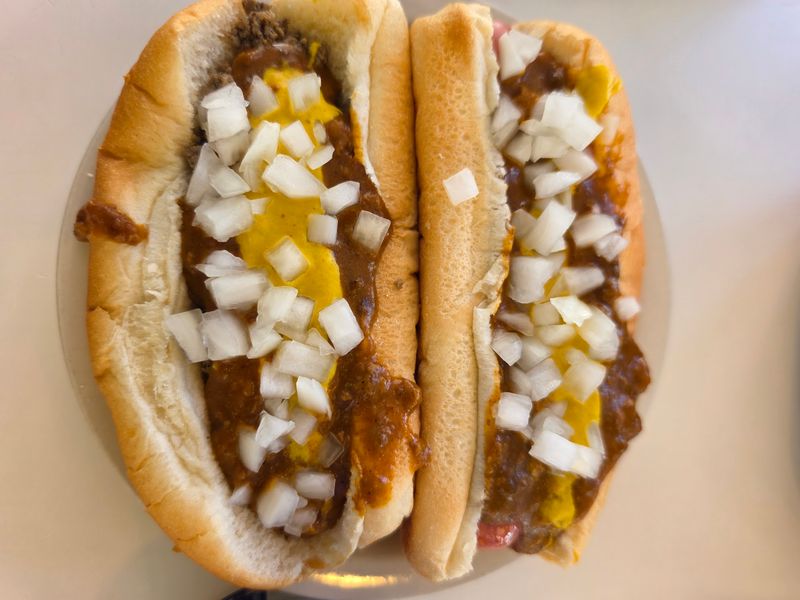
Here is the main event, the reason people line up. The classic coney at American Coney Island follows a recipe that Detroiters can recite from memory.
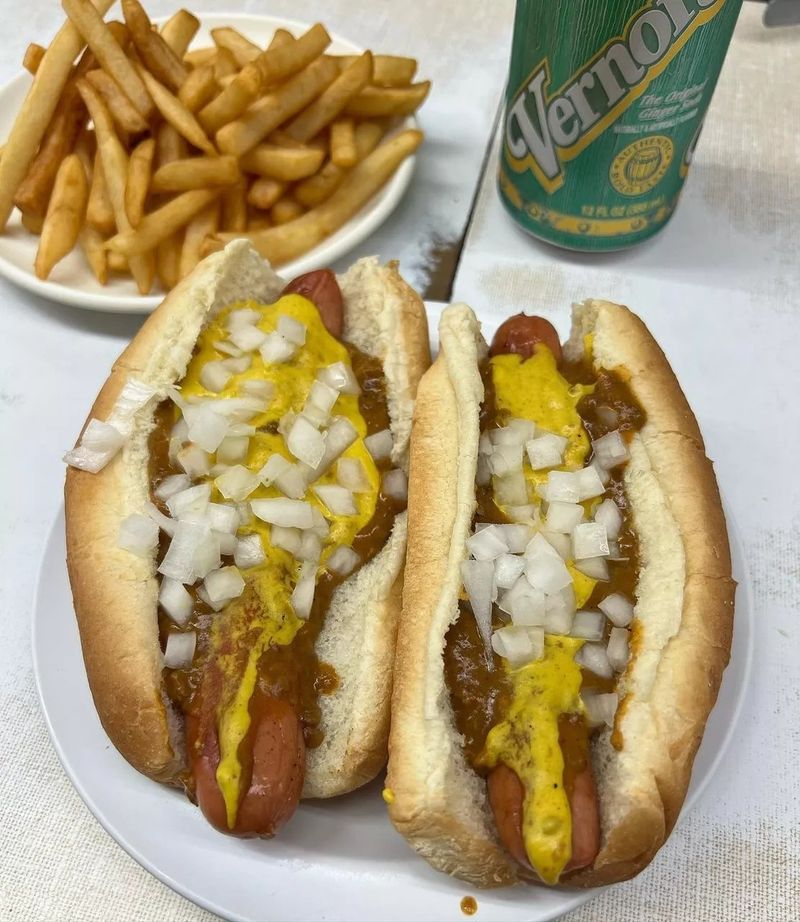
It starts with a natural-casing beef frankfurter. The dogs come from the Dearborn brand, a Michigan name that fits right in.
Next comes a soft steamed bun. On top goes the house beanless chili, followed by yellow mustard and diced white onion.
The natural casing gives the dog its well-known snap. Many fans single out that snap as a highlight, along with onions that taste fresh.
The serving size is modest. That is by design, and it is why the standard advice is to order at least two.
Opinions are not unanimous, which is half the fun. A few diners find the dog or bun on the softer side, while others praise how consistent each coney comes out from plate to plate.
There is also an upgraded option. The American Special adds ground beef on top for anyone who thinks a chili dog needs extra help.
Simple ingredients, strict order, no shortcuts. Yet the real dividing line between the two neighbors comes down to one ladle of sauce.
The Chili That Splits the Block
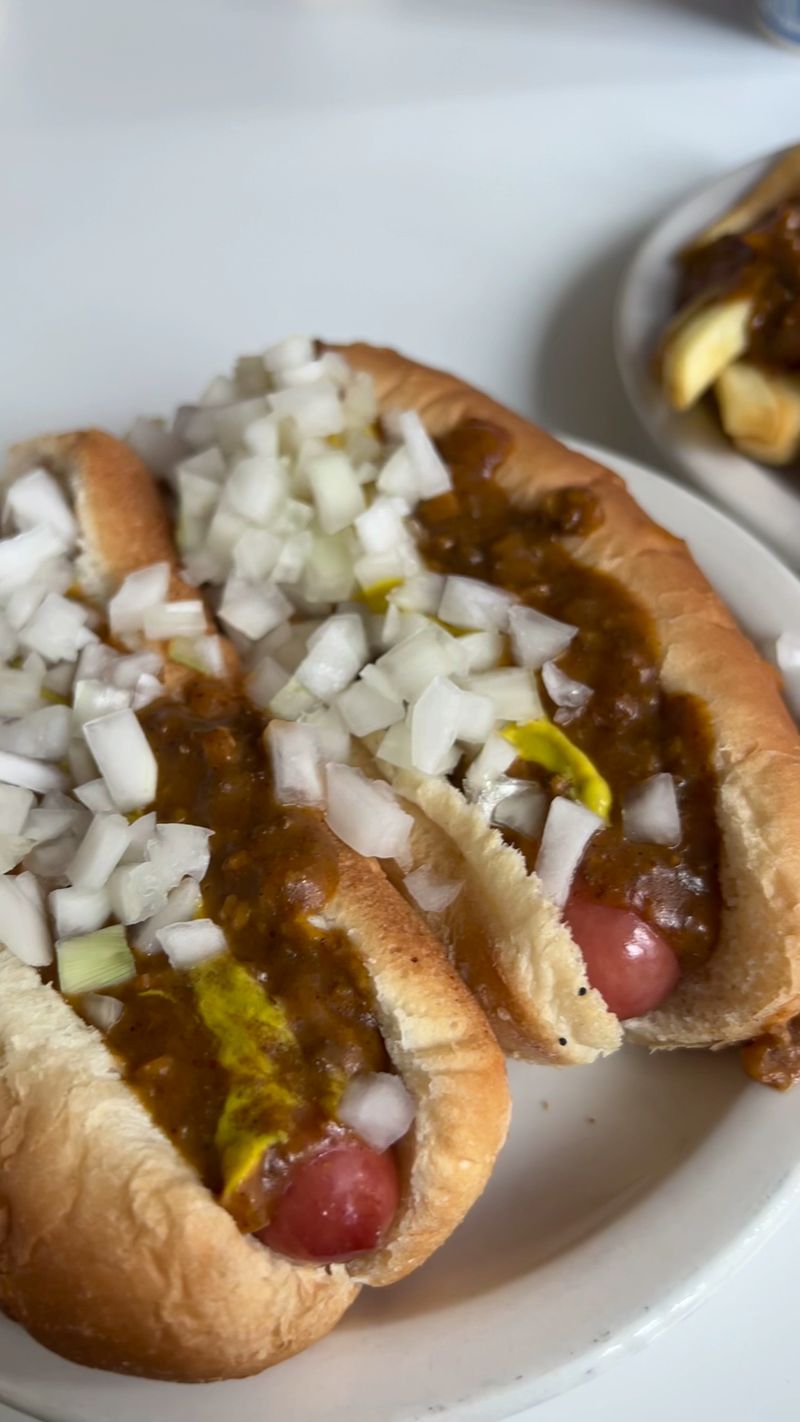
Ask what separates the two famous neighbors, and the answer usually lands on the chili. American Coney Island uses its own proprietary chili blend, and it has a reputation for being bolder.
Compared with the sauce next door, the chili here leans a bit spicier. Fans who prefer a more assertive flavor tend to plant their flag at American.
Not everyone agrees on the details. Some say the chili could use a little more punch, while others note it can arrive a touch cooler than the version next door.
That tug of war is exactly what keeps the debate alive. One person’s perfect sauce is another person’s reason to walk ten steps west.
The mustard matters too. The restaurant uses Kitchen brand mustard, which adds to the local, old-school recipe.
Even diners who generally dislike Detroit-style coney sauce sometimes admit they prefer this dog just slightly over the neighbor’s. That counts as a win in a rivalry this tight.
The verdict on chili will always be personal. Lucky for indecisive eaters, the menu offers a few other ways to settle the score.
Loose Burgers and Other Detours
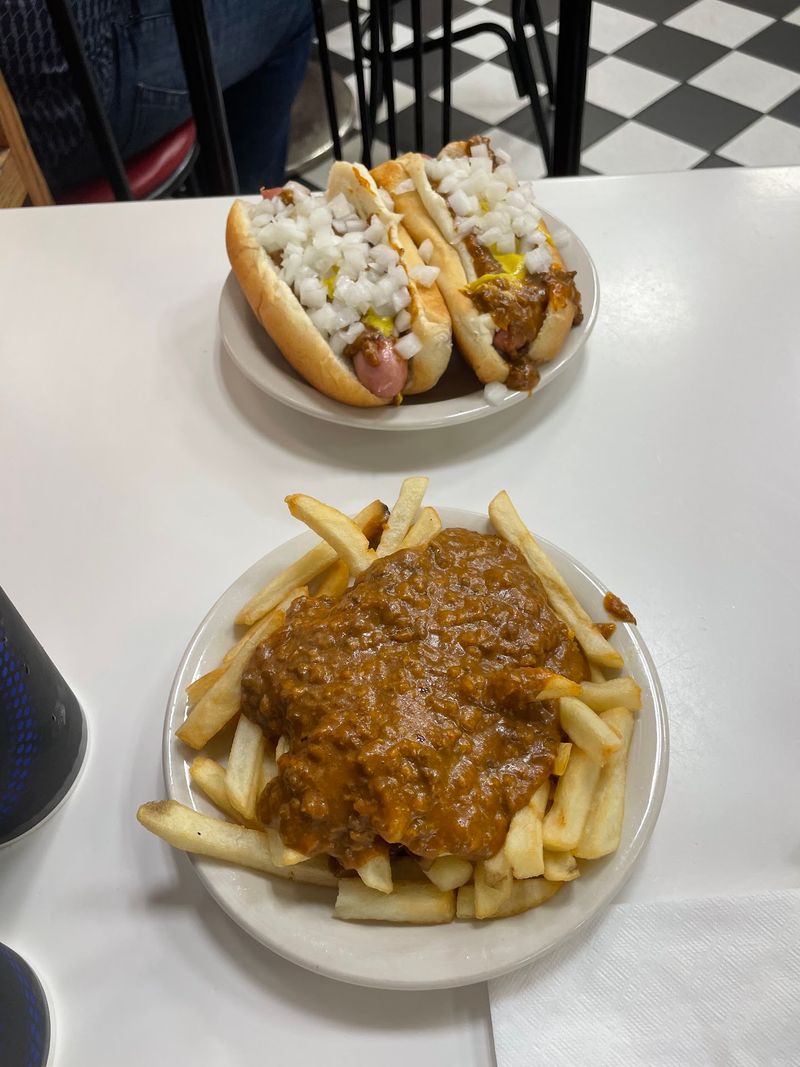
Not ready for a hot dog? Detroit has an answer, and it is called the loose burger.
The idea is simple. Take the same coney toppings, swap the frankfurter for crumbled ground beef, and pile it on a bun.
It has a sloppy joe feel, but it is very much a Detroit creation. Groups rave about it, and some fans call it the item to try beyond the classic dog.
The menu stretches a little further than many people expect. Greek salad and gyros show up on the board too, a nod to classic Coney Island diner tradition.
That variety helps when a group includes someone who wants something different. Tour leaders bringing large parties note that there are other options for those who skip the dog.
Some regulars pair a coney with a loose burger for a two-part tasting. It is a smart way to understand why the chili gets so much attention.
The detours are worthwhile, but the most popular side on the menu has a fan club all its own.
Fries Worth Their Own Fan Club
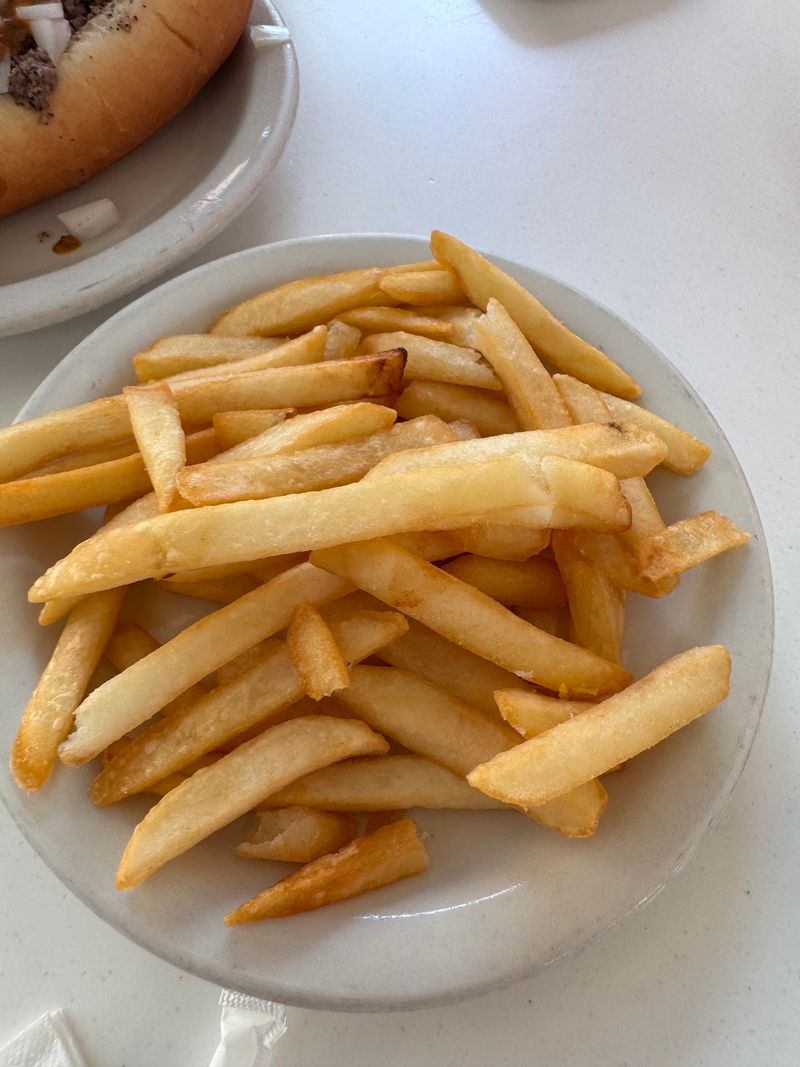
Sometimes the side dish steals the show. At American Coney Island, the fries have earned that kind of attention.
Chili cheese fries are the second most talked-about item after the coney itself. They come up again and again as crispy, cheesy, and a reliable order.
Even diners who were lukewarm on the hot dogs often call the chili cheese fries excellent. That is a strong sign of how well they hold up.
Plain fries get plenty of praise too. They are described as crispy, fresh, properly salted, and served in a generous amount.
Onion rings have their own loyal fans. They make a fine choice for anyone wanting something different alongside a coney.
A quick strategy for first-timers: get one order of chili cheese fries for the table. It lets everyone taste the house chili in a second form without committing to another dog.
Fries may not start arguments the way coneys do. Still, they give both sides of the debate something to agree on, which brings us to the room where all this eating takes place.
Red, White, and Retro Inside
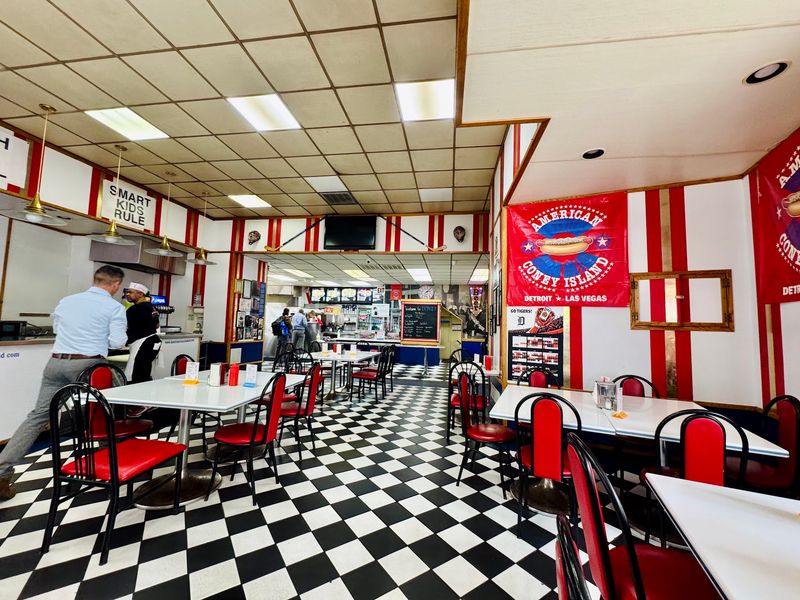
Retro diners are easy to fake and hard to earn. This one has the century on its side.
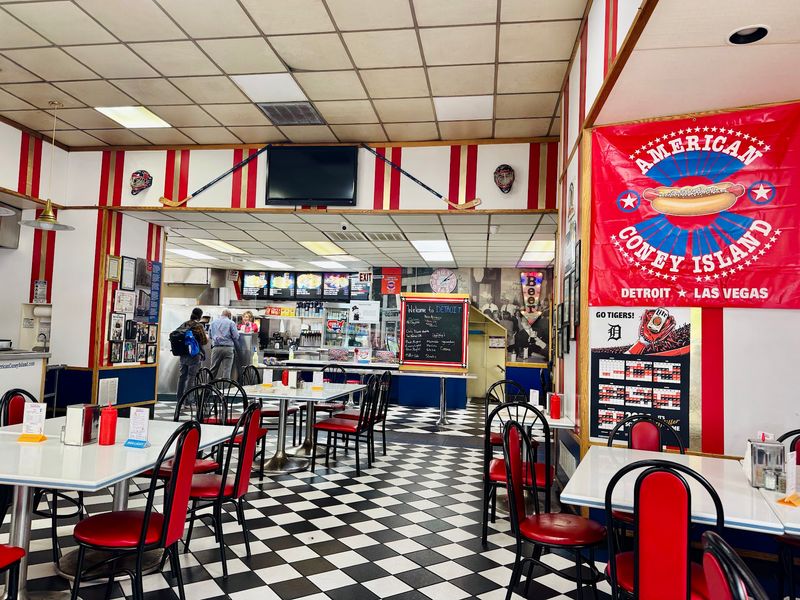
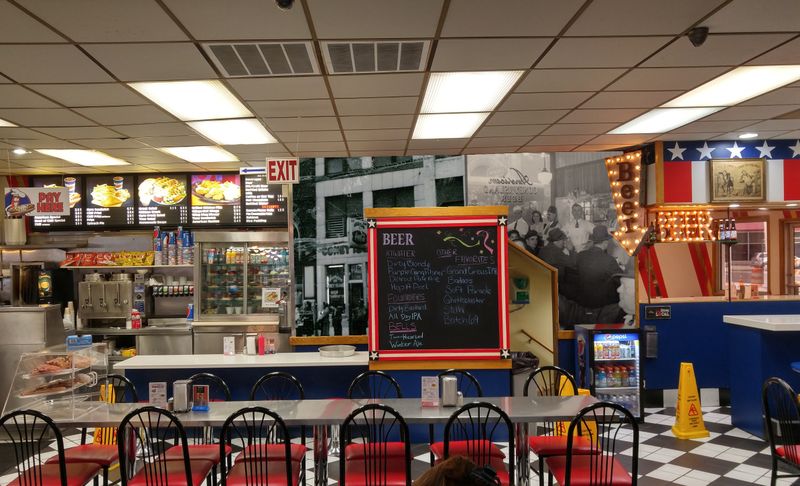
The interior features red-and-white diner decor with a timeless, nostalgic look. It is well lit and arranged in an open floor plan.
Seating includes both a counter and tables. The dining room is slightly bigger than the one next door, which many people consider a real advantage.
That open layout matters most during busy late nights. When the room fills up, the extra space keeps it from feeling crowded.
Cleanliness is another common compliment. Staff are often seen wiping down surfaces after the lunch rush, and the restaurant is described as clean and well maintained.
Not every opinion is glowing. A few people find the interior a bit generic and prefer the character of the neighbor’s room.
Most, though, appreciate the polished retro feel and the brighter, more family-friendly energy. Some even call it the better of the two diners purely on looks.
The decor sets a scene, but the best seats in the house point outward, toward the street.
Window Seats for Street Watching

Downtown Detroit is a busy place, and the front windows here offer a front-row ticket. Window seats are a favorite for watching city life roll by.
People watching and city views come up as small but happy bonuses. It is a nice extra for solo diners or anyone who enjoys a little entertainment with lunch.
The location puts guests right in the middle of downtown activity. Event crowds, office workers, and curious tourists all pass along Lafayette Boulevard.
It is also a fun way to watch the rivalry in action. Groups often hop between the two restaurants, and the sidewalk becomes a stage for that friendly back-and-forth.
Grabbing a window table works best outside peak rush times. During busy periods, any open seat is a good seat.
A coney, a window, and a view of the city make for an easy, low-key break. And for many diners, the people inside the restaurant shape the experience just as much as the view outside.
Speedy Servers and Friendly Faces
Fast is the word that comes up most when talking about the staff. Food often arrives within minutes, and the whole operation moves quickly.
Plenty of servers earn shout-outs by name for being friendly, welcoming, and genuine. Some guests say a great server was the highlight of their visit.
That warmth helps first-timers feel at home. Several out-of-town diners mention being greeted right away and made to feel welcome.
To be fair, experiences vary. A handful of guests describe staff interactions that felt less friendly, and some prefer the service next door.
Still, the overall picture leans positive. Prompt counter service and attentive table help are consistent themes.
Quick tip: the restaurant is a place to eat, not a change machine. Asking staff to break bills for parking meters without ordering has caused friction, so plan for parking change ahead of time.
Good service keeps small tables happy. It really shines, though, when a crowd of thirty walks through the door at once.
Room Enough for the Whole Crew
Bringing a big group downtown can be a headache. At American Coney Island, it tends to go surprisingly smoothly.
Groups of twenty and thirty people have been served efficiently, with food arriving fast despite the size. Tour leaders praise the comfortable seating and the staff’s handling of large parties.
The extra space and number of tables make it a natural pick for families with children. Many people who prefer the neighbor’s coney still admit this side works better for big groups.
Logistics get help too. Motorcoaches have been able to park right in front, and staff have helped senior bus groups manage a tricky parking situation.
That kind of care makes a real difference for older guests. Senior groups mention feeling well looked after from start to finish.
The varied menu also helps keep everyone fed. Picky eaters can grab a salad or gyro while the rest of the group handles the coneys.
Big groups bring big energy, and this room is built to handle it. Smaller crowds show up for a different reason, often well after dark.
Game Days and Late-Night Cravings

Downtown Detroit hosts concerts, events, and ballgames, and hungry crowds need somewhere to go. American Coney Island has become a regular stop on that circuit.
Some fans grab a coney and a loose burger before a Tigers game. It is called a great way to experience Detroit in one meal.
After dark, the restaurant becomes a popular stop after local concerts and events. The open layout helps when the room is packed late at night.
Timing matters for night owls. On Fridays and Saturdays, the doors stay open until midnight.
The rest of the week closes earlier, at 7 PM. That means weeknight event-goers should eat before the show rather than after.
A coney is a fitting snack for a big night out. It is quick, filling enough, and very Detroit.
Of course, plenty of people come for one reason only. They want to settle the great debate with their own taste test.
Hours, Costs, and Smart Timing
A little planning goes a long way on Lafayette Boulevard. Here are the basics before heading downtown.
Weekday hours run Monday through Thursday from 10 AM to 7 PM. Friday opens at 10 AM and stays open until midnight.
Saturday runs from 11 AM to midnight. Sunday is shorter, from 11 AM to 7 PM.
Expect to spend roughly $10 to $20 per person. Most people find that reasonable, though a few feel it runs high for a hot dog meal.
Portions are small enough that eating at both restaurants back to back is entirely doable. Many people plan exactly that and still feel comfortable afterward.
Visiting after the lunch rush tends to mean a calmer room. Weekend nights can be packed, so patience helps.
Parking downtown can be tough, so bring meter change and give yourself extra time. For more details, the restaurant’s website is americanconeyisland.com.
With the logistics handled, only one thing remains. It is time to pick a side, or at least try.
Picking a Side in the Great Coney Debate
So who wins? The honest answer is that Detroit has been asking that question for about a century, and the city likes it unresolved.
American Coney Island makes a strong case. It offers a bolder chili, a bigger and brighter dining room, quick service, and room for families and groups.
Its fans love the consistency of the coneys and the polished retro setting. Its critics prefer the sauce or the feel next door.
Many people land in the middle. They call the two dogs genuinely different, which means trying both is a tasting, not a repeat.
That might be the real lesson. The rivalry is less about one winner and more about a shared tradition that keeps both counters busy.
Start at American, order two coneys and some chili cheese fries, and form your own opinion. Then walk a few steps and test it.
Either way, you leave with a full stomach and a new talking point. In Detroit, that makes you part of the family argument.
Enjoyed this story?
Add Fast Food Club as a preferred source to see more of our reporting on Google.